

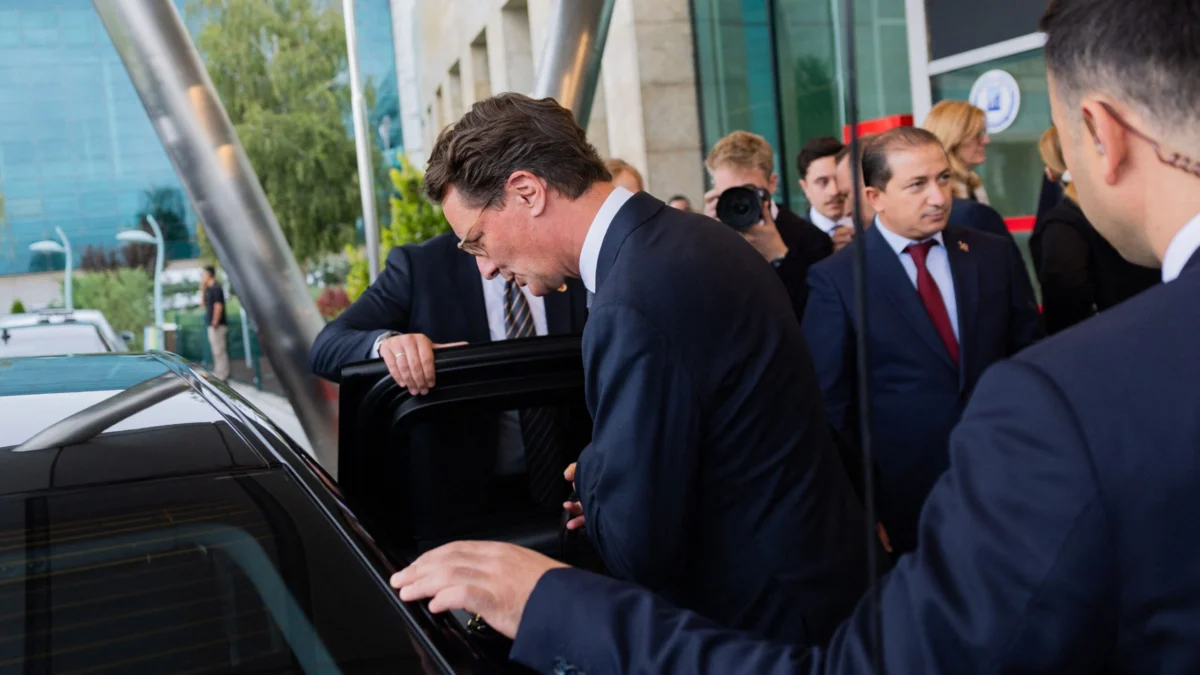
North Rhine-Westphalia’s Minister-President Hendrik Wüst intends to strengthen the relationship between NRW and Turkey. Now, he is reportedly scheduled for a short-notice personal meeting with President Recep Tayyip Erdoğan.
Ankara. North Rhine-Westphalia’s Minister-President Hendrik Wüst is advocating for closer economic ties during his visit to Turkey, and is slated to meet with President Recep Tayyip Erdoğan on Monday afternoon. Sources within the delegation indicated that the discussion will focus on the close relationship between North Rhine-Westphalia and Turkey, economic cooperation, and current political issues. The meeting is considered a significant gesture of attention for a German Minister-President, particularly given its protocolary implications.
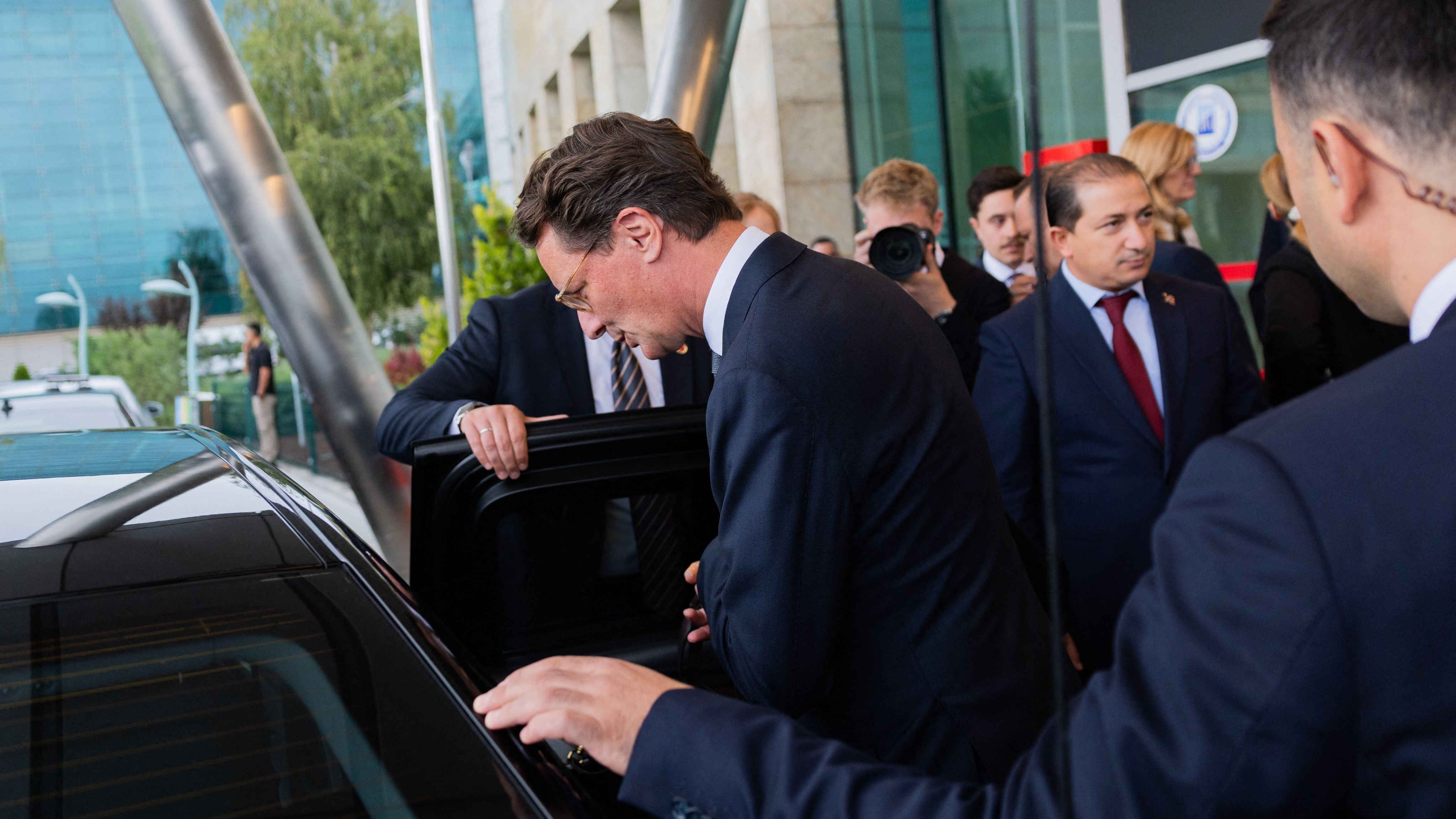
This visit marks a historic occasion, as Wüst is the first Minister-President from North Rhine-Westphalia to undertake an official trip to Turkey. The occasion is partly driven by the 65th anniversary of the agreement for Turkish workers to migrate to Germany. Wüst aims to acknowledge this significant milestone. Furthermore, North Rhine-Westphalia maintains a particularly strong connection to Turkey compared to other German federal states. Nearly one million residents in NRW have Turkish roots, underscoring the deep social and cultural ties between the region and the nation.
The economic ties between North Rhine-Westphalia and Turkey are substantial. The volume of trade between the state and Turkey exceeds ten billion euros annually. The region is home to an estimated 25,000 to 30,000 businesses owned by individuals with Turkish heritage, highlighting the significant entrepreneurial contributions of the Turkish diaspora. Wüst’s itinerary included a visit to the consumer goods giant Henkel, a company that operates multiple manufacturing facilities within Turkey, signaling an early focus on tangible economic collaboration.
Deepening Economic and Cultural Bonds
The strategic importance of this meeting cannot be overstated, especially considering the complex geopolitical landscape and the deeply intertwined destinies of Germany and Turkey. The presence of a large Turkish diaspora in North Rhine-Westphalia creates a unique bridge between the two nations, fostering not only economic opportunities but also cultural exchange and mutual understanding. Wüst’s initiative to personally engage with President Erdoğan signals a commitment to nurturing these multifaceted relationships.

The 65th anniversary of the Anwerbeabkommen (recruitment agreement) between Germany and Turkey, signed in 1961, serves as a poignant backdrop for Wüst’s visit. This agreement initiated a significant wave of Turkish migration to Germany, fundamentally shaping the social fabric of many German regions, including North Rhine-Westphalia. Today, individuals of Turkish descent constitute a vital part of Germany’s multicultural society, contributing to its economy, culture, and political discourse. Wüst’s acknowledgment of this historical event underscores the long-standing and evolving partnership between the two countries.
Economic Footprint and Future Prospects
The economic data further illuminates the depth of the bilateral relationship. The more than ten billion euros in annual trade volume represents a significant portion of North Rhine-Westphalia’s international commerce. This figure encompasses exports and imports across a wide range of sectors, from industrial goods and machinery to consumer products and services. The presence of thousands of Turkish-owned businesses in NRW not only contributes to the regional economy through job creation and investment but also serves as a testament to the entrepreneurial spirit and integration of the Turkish community.
Henkel’s operations in Turkey exemplify the potential for established German companies to leverage their presence in the Turkish market. With multiple factories, Henkel likely plays a role in local employment, technology transfer, and the supply chain for both domestic consumption and potential export markets. Wüst’s visit to such a prominent German enterprise operating in Turkey sends a clear message about the importance of continued investment and partnership.
Geopolitical Context and Potential Implications
The planned meeting between Minister-President Wüst and President Erdoğan occurs against a backdrop of evolving global and regional dynamics. Both Germany and Turkey are key players in European and international affairs, with shared interests in areas such as trade, security, and migration. However, their relationship also navigates periods of diplomatic complexity and differing perspectives on certain foreign policy issues.
For North Rhine-Westphalia, a state known for its industrial prowess and diverse population, strengthening ties with Turkey holds significant promise. Increased economic cooperation could lead to new investment opportunities, enhanced trade flows, and the creation of jobs in both regions. Furthermore, a more robust dialogue can foster greater understanding on issues of mutual concern, such as security cooperation and cultural exchange programs.
President Erdoğan’s willingness to meet with a German Minister-President, particularly one from a state with such a large Turkish population, can be interpreted as a strategic move to engage directly with influential figures within Germany. It signals an interest in maintaining and potentially deepening bilateral relations at various levels of government. The fact that this meeting is described as a "special attention" suggests a recognition of the symbolic and practical importance of Wüst’s role.

Historical Perspective on German-Turkish Relations
The relationship between Germany and Turkey is long and complex, dating back over a century. Initial ties were forged through diplomatic and economic exchanges, evolving significantly after World War II with the Anwerbeabkommen. This agreement was initially intended as a temporary measure to address labor shortages in West Germany but evolved into a permanent demographic and cultural shift.
Over the decades, Germany became home to one of the largest Turkish communities outside of Turkey. This community has integrated into German society, contributing significantly to its economic and social development, while also maintaining strong cultural ties to their homeland. This dual identity has often been a source of strength and a bridge for bilateral understanding, though it has also presented challenges in navigating national identities and political sensitivities.
North Rhine-Westphalia, with its industrial heritage and high concentration of Turkish immigrants, has been at the forefront of this evolving relationship. Cities like Cologne, Dortmund, and Essen have vibrant Turkish communities, playing a crucial role in fostering cultural events, businesses, and social integration initiatives. Wüst’s visit directly acknowledges this profound connection and seeks to build upon it.

Wüst’s Political Stance and Objectives
Hendrik Wüst, as the Minister-President of Germany’s most populous state, wields considerable influence. His approach to foreign policy, particularly concerning Turkey, is likely shaped by a pragmatic understanding of economic opportunities and the importance of a stable, cooperative relationship. His emphasis on strengthening economic ties suggests a focus on tangible benefits for businesses and citizens in North Rhine-Westphalia.
His stated goal of fostering closer cooperation aligns with broader German foreign policy objectives that often advocate for dialogue and partnership, even amidst diplomatic complexities. By engaging directly with President Erdoğan, Wüst aims to ensure that the concerns and opportunities relevant to his state are directly communicated to the highest levels of Turkish leadership.
Broader Context of European-Turkish Relations
The bilateral relationship between Germany and Turkey is a crucial component of broader European-Turkish relations. Germany, as the largest economy in the European Union, often plays a leading role in shaping the EU’s approach to Turkey. Tensions and cooperation between Berlin and Ankara can have ripple effects across the continent.

Wüst’s proactive engagement can be seen as an effort to reinforce a constructive dialogue, potentially contributing to a more stable and predictable relationship between Germany and Turkey, and by extension, between the EU and Turkey. The ability to find common ground on economic and other mutually beneficial issues can be instrumental in navigating more challenging political discussions.
Future Outlook and Potential Challenges
While the planned meeting is a positive development, the path forward in German-Turkish relations is not without its challenges. Divergent views on issues such as human rights, democratic standards, and foreign policy in specific regions can create friction. However, sustained dialogue and a commitment to shared interests, particularly in economic cooperation, can provide a stable foundation for managing these differences.
For North Rhine-Westphalia, the continued engagement with Turkey presents an opportunity to further solidify its position as a key economic and cultural hub. By leveraging the existing strong ties and fostering new avenues for collaboration, the state can contribute to a more prosperous and interconnected future for both regions. The success of Wüst’s initiative will likely be measured not only by the outcomes of his meetings but also by the sustained development of economic and cultural partnerships in the years to come. The unexpected nature of the meeting itself highlights the dynamic and often unpredictable nature of international diplomacy, underscoring the importance of such direct engagements.
