

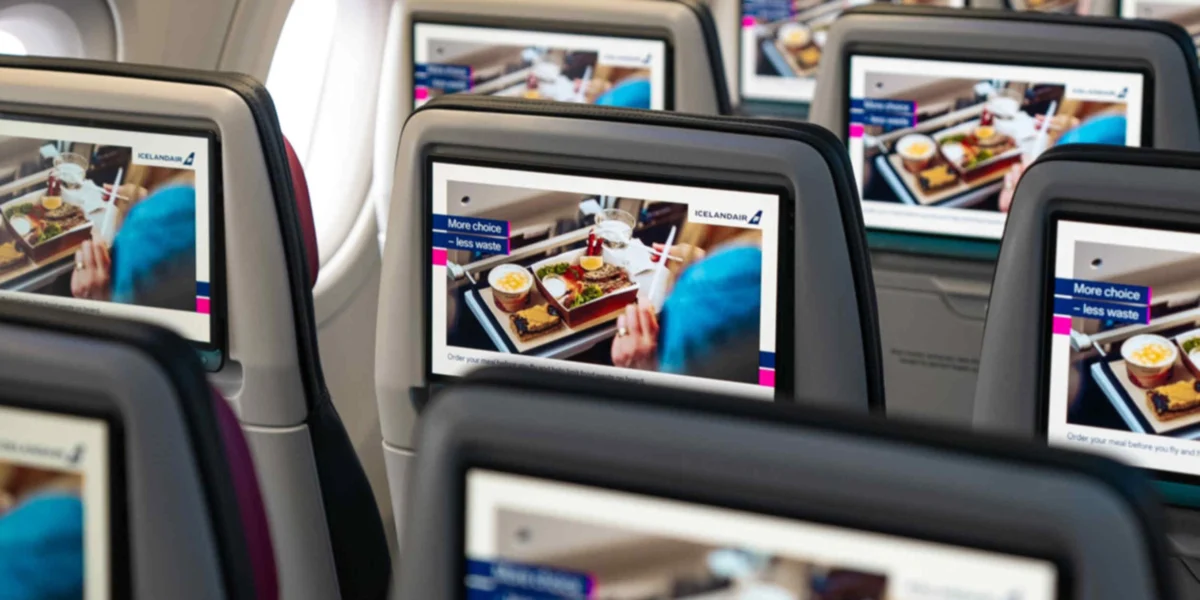
Panasonic Holdings, the Japanese electronics conglomerate, is poised to dramatically expand its production capabilities for in-flight entertainment (IFE) systems, a pivotal move signaling a robust anticipation of a significant surge in global air travel demand. The company plans to increase its output capacity for this core product line by approximately sixfold, a substantial investment reflecting confidence in the long-term recovery and growth trajectory of the aviation sector. This strategic expansion underscores Panasonic Avionics, a subsidiary of Panasonic Holdings,’ commitment to meeting the evolving needs of airlines worldwide as passenger traffic rebounds and expands.

The Resurgence of Air Travel and its Impact on Aviation Suppliers
The aviation industry, which experienced unprecedented disruption during the COVID-19 pandemic, is now demonstrating a strong and sustained recovery. Global air passenger traffic has steadily climbed back, with many regions nearing or even surpassing pre-pandemic levels. This resurgence is driven by a combination of pent-up demand for leisure travel, the gradual return of business travel, and the opening of international borders. Airlines are responding by increasing flight frequencies, adding new routes, and investing in fleet modernization and passenger experience enhancements.
In-flight entertainment systems are a critical component of the modern airline passenger experience. Beyond basic entertainment, these systems have evolved to offer a range of connectivity services, including high-speed internet, live television, and personalized content delivery. As airlines seek to differentiate themselves and attract passengers, the quality and sophistication of their IFE offerings have become a significant competitive factor. Panasonic Avionics has long been a leading player in this market, known for its innovative solutions and reliable technology.

Strategic Capacity Expansion: A Sixfold Leap
The decision by Panasonic Holdings to invest in a sixfold increase in IFE system production capacity is a direct response to this burgeoning demand. While specific details regarding the exact timeline and investment figures for this expansion are yet to be fully disclosed, the magnitude of the planned increase indicates a significant strategic commitment. This move suggests that Panasonic Avionics has secured substantial orders or anticipates a sustained high level of demand in the coming years from major airlines.
This capacity boost will likely involve a multi-faceted approach, potentially including the expansion of existing manufacturing facilities, the establishment of new production lines, and investments in advanced automation and manufacturing technologies to ensure efficiency and quality at scale. The company’s existing manufacturing footprint, which includes facilities in various global locations, will likely be leveraged and augmented to accommodate this ambitious growth target.

Background and Context: Panasonic Avionics’ Market Position
Panasonic Avionics has established itself as a dominant force in the global IFE market. The company’s portfolio includes a wide array of products and services, from seat-back screens and audio systems to advanced connectivity solutions and content management platforms. Their systems are currently installed on thousands of aircraft operated by hundreds of airlines worldwide. This strong market position provides Panasonic Avionics with deep insights into the evolving needs and purchasing cycles of its airline clientele.
The company’s consistent investment in research and development has allowed it to remain at the forefront of IFE technology. Innovations such as high-definition displays, personalized content recommendations, and seamless integration with passenger mobile devices have been key differentiators. The planned capacity expansion is therefore not just about meeting volume, but also about ensuring that Panasonic Avionics can continue to deliver cutting-edge solutions as demand grows.

Anticipated Timeline and Phased Rollout
While the article states the plan is for a sixfold capacity boost, the exact timeline for achieving this target is crucial for understanding the company’s strategic outlook. Such a significant expansion typically involves several phases. Initially, Panasonic Avionics might focus on optimizing existing production lines and incrementally increasing output. This would be followed by more substantial investments in new infrastructure and technology over a period of months or years.
Industry analysts will be closely watching for announcements regarding the specific locations of new manufacturing sites or expansions, as well as the capital expenditure involved. A phased rollout would allow Panasonic Avionics to manage the investment effectively and adapt to any fluctuations in the pace of the aviation industry’s recovery. The company’s ability to execute this expansion smoothly will be critical to its continued success in the competitive IFE market.

Supporting Data and Market Trends
The rationale behind Panasonic Holdings’ decision is supported by several key market indicators. According to the International Air Transport Association (IATA), global air passenger traffic has shown remarkable resilience. For instance, IATA’s latest figures often highlight year-on-year growth rates that indicate a strong rebound from pandemic lows. Furthermore, projections from aviation consultancies and manufacturers consistently forecast continued passenger traffic growth over the next decade, driven by emerging markets and a growing global middle class.
Another critical factor is the increasing demand for connected flights. Passengers increasingly expect to have internet access, stream entertainment, and use their personal devices seamlessly while in the air. Airlines are responding by investing in robust connectivity solutions, which often go hand-in-hand with advanced IFE systems. This trend directly benefits suppliers like Panasonic Avionics, who are at the intersection of entertainment and connectivity. The average number of connected aircraft globally has been on a steady upward trend, with projections indicating further significant growth in the coming years. This growth fuels the demand for the sophisticated hardware and software that Panasonic Avionics provides.

Potential Reactions and Implications
The announcement of such a significant capacity expansion is likely to elicit reactions from various stakeholders within the aviation ecosystem.
-
Airlines: For airlines, this news signifies a potentially more secure and scalable supply chain for critical IFE systems. It suggests that a key supplier is investing heavily to meet their future needs, which could lead to more competitive pricing and a greater ability to upgrade their cabin offerings. Airlines looking to retrofit existing fleets or equip new aircraft will likely find Panasonic Avionics a more attractive partner given its expanded production capabilities.

-
Competitors: Other major IFE system manufacturers, such as Collins Aerospace and Thales, will undoubtedly take note of Panasonic’s strategic move. This could spur them to re-evaluate their own production strategies and investment plans to maintain their market share. The increased capacity from Panasonic could intensify competition, potentially leading to more innovation and better value for airlines.
-
Suppliers to Panasonic: The expansion will also create opportunities for Panasonic’s own suppliers of electronic components, raw materials, and manufacturing equipment. This could lead to increased business and investment within Panasonic’s broader supply chain.

-
Investors: Investors in Panasonic Holdings will be looking for detailed financial projections and a clear roadmap for achieving the projected returns on this substantial investment. The success of this expansion will be a key factor in evaluating the company’s future performance in the aerospace sector.
Analysis of Broader Impact
The substantial capacity increase by Panasonic Avionics has broader implications for the aviation industry and the broader electronics manufacturing sector.

Firstly, it signals a strong vote of confidence in the long-term health and growth of the global aviation industry. Companies making such significant capital investments are typically doing so based on robust market analysis and a belief in sustained demand. This can have a positive ripple effect, encouraging other companies within the aerospace supply chain to also invest and expand.
Secondly, it highlights the increasing importance of passenger experience as a key differentiator for airlines. In a competitive market, airlines are looking for ways to enhance the passenger journey, and IFE systems play a crucial role in this. The ability to offer advanced, reliable, and engaging IFE is becoming a standard expectation rather than a luxury.

Thirdly, this expansion underscores the interconnectedness of the global economy. The rebound in air travel is not just a standalone phenomenon; it is linked to the broader recovery of international trade, tourism, and business connectivity. Panasonic’s investment reflects this global economic interconnectedness.
Finally, the move by Panasonic Holdings could also be seen as a strategic play to solidify its market leadership. By significantly increasing its production capacity, the company aims to capture a larger share of the growing market and potentially set new industry standards for delivery and innovation. This proactive approach is characteristic of established players looking to maintain and enhance their competitive edge in a dynamic market. The success of this ambitious expansion will be closely watched as a barometer for the continued recovery and evolution of the global aviation sector.
