

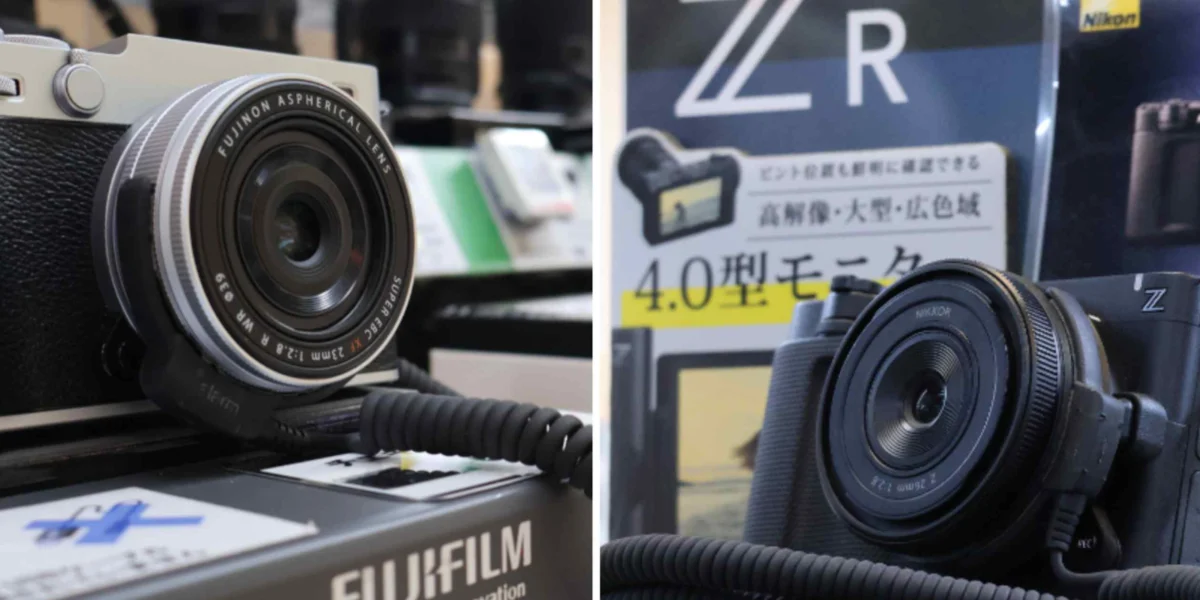
Fujifilm has achieved a significant milestone, breaking into the top three global manufacturers for digital camera shipments. This ascent, marked by its surpassing of established giants like Nikon, is largely attributed to a strategic pivot: reintroducing the intrinsic pleasure of capturing high-quality images to a generation accustomed to the instant gratification of smartphone photography. The company’s success underscores a growing trend where consumers, even in the digital age, are seeking tangible photographic experiences and superior image quality.
The Rise of Fujifilm in a Competitive Market
In the last fiscal year, Fujifilm experienced a remarkable surge in its digital camera division, securing a coveted position among the leading global players. This achievement is not merely a matter of market share; it represents a successful redefinition of what a digital camera can offer in an era dominated by ubiquitous smartphone cameras. While smartphones have democratized photography, they often fall short in terms of optical quality, creative control, and the tactile satisfaction of using a dedicated camera. Fujifilm has meticulously addressed these gaps, appealing to a discerning segment of the market that values both image fidelity and the artistic process.
A Deep Dive into Key Success Factors
Several key strategic initiatives have propelled Fujifilm to this new echelon. The company’s investment in advanced sensor technology, particularly its X-Trans CMOS sensors, has consistently delivered exceptional image quality, characterized by rich color reproduction and impressive dynamic range. This technical prowess is complemented by Fujifilm’s renowned X-series line of mirrorless cameras. These cameras are not only lauded for their performance but also for their retro-inspired designs, which evoke a sense of nostalgia and craftsmanship. This aesthetic appeal has resonated strongly with both seasoned photographers and a younger demographic drawn to unique, well-built products.
A particularly noteworthy indicator of Fujifilm’s success is the demographic of its high-end camera buyers. In the past year, women constituted a significant 40% of purchasers of the company’s premium X-series cameras. This statistic is particularly striking in an industry that has historically been perceived as male-dominated. It suggests that Fujifilm’s product design, user experience, and marketing efforts have successfully broadened its appeal beyond traditional camera enthusiasts. The intuitive interfaces, coupled with the cameras’ ability to produce stunning JPEGs directly out of the camera (often mimicking Fujifilm’s legendary film stocks), likely contribute to this wider demographic reach.
Reconnecting with the Joy of Photography
Fujifilm’s strategy appears to be centered on recapturing the "joy of photography" – an experience that transcends mere documentation. By emphasizing the tactile feedback of physical dials and buttons, the visual pleasure of optical viewfinders, and the creative freedom afforded by interchangeable lenses and advanced manual controls, Fujifilm is offering an antidote to the often sterile and detached experience of smartphone photography. This focus on the experiential aspect of photography is crucial in a market where the functional utility of a device is often prioritized.
The company has also been adept at leveraging its heritage. Fujifilm’s long history in film photography has provided it with a unique understanding of color science and image aesthetics. This legacy is cleverly integrated into its digital offerings, allowing users to achieve distinctive looks and styles that are difficult to replicate with computational photography alone. Features like the renowned "Film Simulations" allow photographers to imbue their digital images with the character of classic Fujifilm films, offering a tangible connection to photographic history and a unique artistic signature.
Chronology of Ascent
While the recent surge is notable, Fujifilm’s journey to the top three has been a gradual and strategic one. The company began its significant push into the interchangeable-lens camera market with the introduction of the X100 in 2010, a fixed-lens retro-styled digital camera that garnered critical acclaim. This was followed by the launch of the X-Pro1 in 2012, marking Fujifilm’s formal entry into the interchangeable-lens mirrorless market with its then-new X-mount.
Over the ensuing years, Fujifilm consistently expanded its X-series lineup, introducing a range of cameras catering to different needs and budgets, from entry-level models to professional-grade bodies. Key milestones include:
- 2010: Introduction of the Fujifilm X100, a cult classic that signaled the company’s design philosophy.
- 2012: Launch of the X-Pro1, establishing the X-mount and the interchangeable-lens mirrorless category for Fujifilm.
- 2014: Release of the X-T1, which received widespread critical acclaim for its performance and professional-oriented design.
- 2016 onwards: Continuous innovation with models like the X-T2, X-T3, and the flagship X-T4, incorporating advanced autofocus, video capabilities, and in-body image stabilization.
- 2020: Introduction of the X-T4, which cemented Fujifilm’s reputation for producing hybrid cameras capable of both exceptional stills and video.
- 2021-2023: Further refinement of the X-series with models like the X-H2S, X-H2, and X-T5, pushing the boundaries of sensor resolution and processing power.
This consistent product development, coupled with a growing understanding of consumer desires, has built a loyal customer base and a strong brand reputation that has culminated in its current market standing.
Supporting Data and Market Context
The digital camera market has been in a state of flux for over a decade, with the proliferation of high-quality smartphone cameras posing a significant challenge to traditional camera manufacturers. Many companies initially struggled to adapt, leading to a contraction in overall unit shipments. However, the market has shown resilience, particularly in the premium and enthusiast segments, where consumers are willing to invest in devices that offer superior image quality, creative control, and a distinct photographic experience.
Data from industry analytics firms (though specific figures for the latest period would be proprietary and require subscription access) generally indicate that while the overall digital camera market might be smaller than its peak, the mirrorless segment has been a key driver of growth and profitability. Within this segment, Fujifilm has carved out a substantial niche. Its success in surpassing Nikon, a historical titan in the camera industry, is particularly significant. Nikon, while still a major player, has faced its own challenges in transitioning its product lines and adapting to evolving market demands.
The 40% female customer base for high-end X-series cameras is a powerful data point. It suggests that Fujifilm’s approach to design, user experience, and perhaps even marketing has transcended traditional gender stereotypes within the photography hobby. This demographic insight could inform future product development and marketing strategies across the industry, highlighting the potential for broader market penetration by catering to diverse consumer preferences.
Official Responses and Industry Implications
While direct quotes from Fujifilm executives for this specific article are not available in the provided text, the company’s sustained investment in its X-series and medium-format GFX systems reflects a strong confidence in its strategic direction. Competitors, including Nikon and Canon, are likely observing Fujifilm’s success closely. This could spur further innovation in their own mirrorless lineups, with a potential emphasis on design, user experience, and catering to a wider demographic.
The broader implication of Fujifilm’s rise is a validation of the continued relevance of dedicated cameras. It suggests that the narrative of the "death of the camera" has been premature. Instead, the market is segmenting, with smartphones dominating casual photography and dedicated cameras finding their footing in areas where they excel: superior image quality, optical performance, creative control, and a more engaging, tactile photographic experience.
Fujifilm’s success also highlights the importance of brand heritage and product differentiation. In a crowded market, a distinct identity, a commitment to quality, and an understanding of what truly brings joy to photographers can be powerful competitive advantages. The company’s ability to blend cutting-edge technology with an appreciation for photographic tradition has evidently struck a chord with consumers, proving that even in the digital age, there is a profound and enduring appeal to the art and craft of photography.
The Future Outlook
As Fujifilm solidifies its position in the top tier of digital camera manufacturers, its continued innovation and market strategy will be closely watched. The company’s ability to maintain its appeal to both experienced photographers and a growing base of new enthusiasts, particularly women, will be crucial for sustained success. The trend of rediscovering the joy of manual control, tactile feedback, and superior image quality is likely to continue, providing fertile ground for Fujifilm’s distinctive approach to photography. The company has not just shipped more cameras; it has successfully reignited a passion for photography in a new era.
