

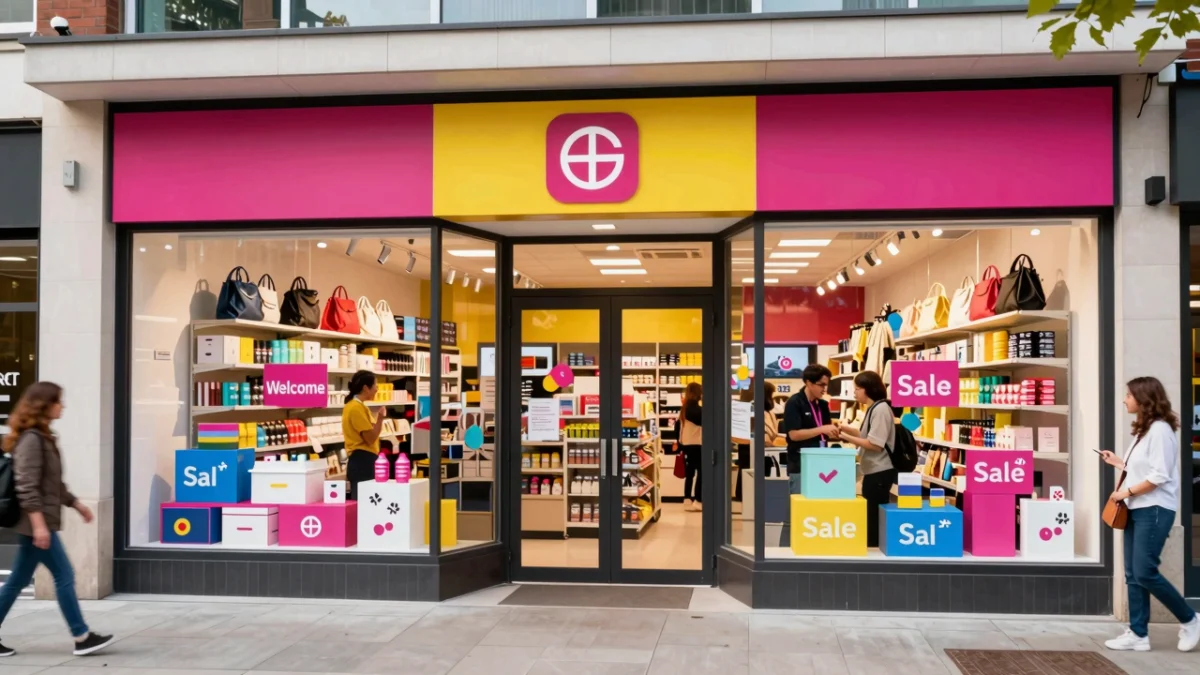
The Economic Foundation of Retail Franchising in the Modern Era
The allure of retail franchising lies primarily in its historical success rate compared to independent startups. Statistical data from small business bureaus indicates that franchises benefit from a "proven model" effect, where the initial years of operation are bolstered by centralized supply chains and national marketing campaigns. By choosing a franchise, an investor essentially buys into a pre-existing trust relationship with the consumer. Brands like McDonald’s and 7-Eleven serve as the gold standard for this model, providing rigorous training programs that ensure a customer in Tokyo receives the same level of service and product quality as one in New York.

Beyond the giants of the industry, the "boutique" franchise sector is seeing a surge in interest. These smaller, more specialized retail operations offer a unique blend of established brand recognition and the ability to cater to niche markets. For many entrepreneurs, these opportunities represent a more accessible entry point, with some "low-cost" options requiring an initial investment of under $50,000. This democratization of franchising allows a broader demographic of investors to participate in the retail economy, though analysts warn that lower entry costs often necessitate higher personal involvement in daily operations.
A Timeline of Strategic Adaptation: From Brick-and-Mortar to Omnichannel
The trajectory of retail franchising has undergone a radical transformation over the last decade. Understanding this chronology is essential for any investor looking toward the 2026 market.

- 2015–2019: The Digital Awakening. During this period, franchisors began to realize that physical stores could no longer exist in a vacuum. The focus shifted toward integrating basic e-commerce capabilities, though the physical store remained the primary driver of revenue.
- 2020–2022: The Pivot to Survival. The global pandemic forced a decade’s worth of digital evolution into a two-year window. Franchises that survived were those that quickly implemented "Buy Online, Pick Up In-Store" (BOPIS) models and contactless delivery.
- 2023–2025: The Hybrid Integration. Post-pandemic recovery saw the rise of the "Phygital" experience. Successful franchises began using physical locations not just as points of sale, but as showrooms and fulfillment centers for digital orders.
- 2026 and Beyond: The Era of Personalization. As we look toward 2026, the trend is moving toward hyper-personalization. Franchises are expected to leverage Big Data to predict consumer needs before the customer even enters the store, utilizing AI-driven inventory management to reduce waste and maximize profit margins.
Financial Requirements and the Reality of Capital Expenditure
One of the most critical aspects of the franchise journey is a realistic assessment of the "real cost" of entry. While marketing materials may highlight the initial franchise fee—which can range from $10,000 to $50,000—this is merely the tip of the iceberg. A comprehensive financial analysis reveals that the total initial investment often includes real estate acquisition or leasing, leasehold improvements, equipment, signage, and initial inventory.
For high-performing brands like Jersey Mike’s Subs or Dairy Queen, the total investment can easily exceed $500,000, and in the case of full-scale fast-food operations, it can climb past $1 million. Conversely, some specialized models like Chick-fil-A offer a unique entry point of just $10,000. However, this low cost comes with a caveat: the company maintains ownership of the equipment and real estate, and the "operator" (franchisee) shares a significant portion of the net profit with the corporate office.

Market analysts emphasize the importance of "liquidity" and "net worth" requirements. Most franchisors will not even consider an applicant unless they have a certain amount of liquid cash—capital that is not tied up in assets—to ensure the business can survive the lean months of its first year.
Key Trends Shaping the 2026 Retail Landscape
As the industry moves closer to 2026, four distinct trends are expected to dominate the franchise conversation.

1. The Dominance of E-commerce Integration
Current consumer data suggests that over 60% of shoppers prefer a shopping experience that allows them to browse online but potentially return or pick up items in person. Retail franchises that fail to offer a robust digital interface will likely see their market share eroded by more agile competitors.
2. The Rise of Automated Solutions
The market for automated retail, including high-end vending machines and self-service kiosks, is projected to grow by 20% by 2026. This trend is driven by two factors: the rising cost of labor and the consumer’s increasing desire for speed and convenience. Franchises that incorporate these technologies can significantly reduce their overhead while maintaining high service volumes.

3. Sustainability and Ethical Consumption
Approximately 70% of modern consumers report that they are actively seeking out eco-friendly brands. In response, franchisors are being pressured to overhaul their supply chains. Prospective franchisees should look for brands that prioritize sustainable packaging, energy-efficient building designs, and ethical sourcing, as these factors are becoming synonymous with brand loyalty.
4. Data-Driven Personalization
The use of data analytics is no longer optional. By 2026, the most successful franchises will be those that use customer purchase history and local demographic data to tailor their product offerings. This level of precision allows for more effective targeted marketing campaigns, which in turn drive higher conversion rates.

Navigating Operational Challenges and Labor Shortages
Despite the benefits, retail franchising is not without its hurdles. One of the most persistent challenges cited by current franchisees is employee turnover. In the retail sector, turnover rates can be notoriously high, which impacts service quality and increases training costs. Industry leaders are responding by implementing more robust training programs and "career pathing" initiatives designed to retain talent.
Market saturation is another concern. In many urban areas, there is a "Starbucks on every corner" effect. Prospective investors must conduct thorough market analyses to ensure that the territory they are buying into is not already at its breaking point. This involves looking at both direct competitors (other franchises in the same niche) and indirect competitors (alternative shopping options like big-box retailers or pure-play e-commerce sites).

The Role of Brand Recognition in Mitigating Risk
The primary "product" a franchisor sells is its brand. Brand recognition is a powerful psychological tool that reduces the "cost of customer acquisition." When a consumer sees a 7-Eleven logo, they already know what products are available, the price point, and the level of convenience they can expect. This pre-existing knowledge eliminates the need for the franchisee to spend heavily on local brand-building.
Furthermore, brand loyalty acts as a buffer during economic downturns. During periods of high inflation, consumers tend to retreat to brands they know and trust rather than experimenting with new, unproven independent businesses. This "flight to familiarity" is one of the key reasons retail franchises often outperform the broader market during recessions.

Strategic Steps for the Prospective Franchisee
Embarking on a franchise journey requires a disciplined, step-by-step approach to ensure the investment is sound.
- Comprehensive Research and FDD Review: The Franchise Disclosure Document (FDD) is the most important document in the process. It contains 23 items of information that the franchisor is legally required to disclose, including litigation history, bankruptcy filings, and financial performance representations.
- Early Financing Solutions: Financing should be secured long before a lease is signed. Options such as Small Business Administration (SBA) loans are popular because they offer competitive rates and are designed specifically for the needs of small business owners.
- Site Selection and Demographic Analysis: The success of a retail franchise is often determined by its location. Franchisors typically provide assistance with site selection, using sophisticated software to analyze foot traffic, visibility, and local competition.
- Training and Operational Standards: Diligent attendance at "Discovery Days" and training sessions is mandatory. These programs are designed to instill the "brand DNA" into the franchisee, ensuring they can replicate the corporate success at a local level.
Broader Impact and Future Implications
The continued growth of the retail franchise sector has significant implications for the broader economy. Franchises are major employers, often providing the first job for young people and a stable income for millions of workers globally. As franchises adopt more technology and automation, the nature of these jobs is likely to shift from manual labor to tech-assisted service and management.

Moreover, the shift toward sustainability within the franchise world could have a massive "trickle-down" effect on global supply chains. When a major franchisor like McDonald’s or 7-Eleven changes its sourcing requirements, it forces thousands of suppliers to adopt greener practices. Thus, the retail franchise is not just a business model; it is a vehicle for large-scale economic and environmental change.
In conclusion, while the costs and challenges are real, the structured environment of a retail franchise offers a compelling pathway for those with the capital and the discipline to follow a proven system. By staying attuned to the technological and social trends of 2026, today’s investors can position themselves at the forefront of the next generation of retail.
