

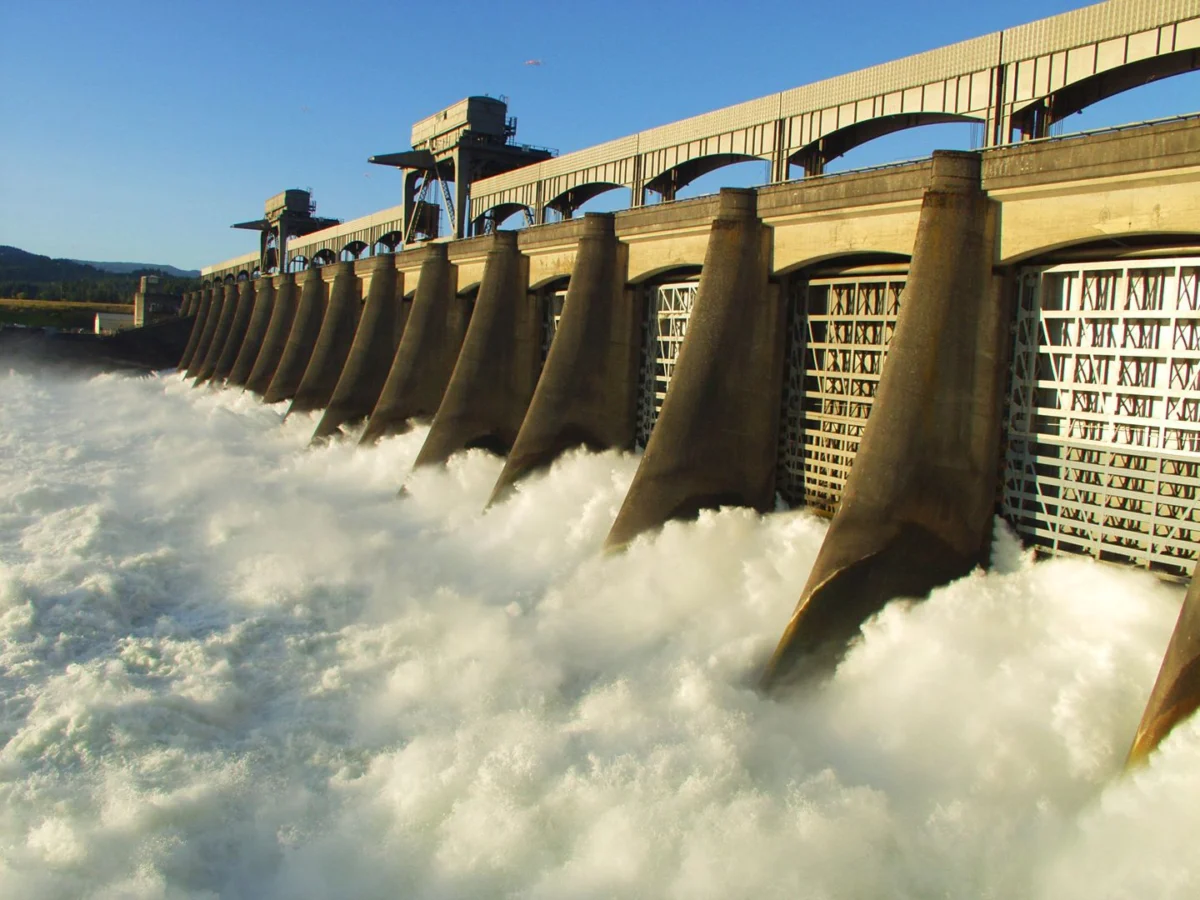
The United States Senate has officially passed the Hydropower Relicensing Transparency Act, a bipartisan legislative effort designed to modernize the federal oversight of one of the nation’s most critical renewable energy sectors. The bill, which has already cleared the House of Representatives, now moves to the President’s desk for final signature. This legislative milestone comes at a precarious time for the American hydropower industry, as a combination of aging infrastructure, surging energy demand, and a notoriously slow regulatory environment threatens the viability of hundreds of facilities across the country. Led by U.S. Senators Catherine Cortez Masto (D-Nev.) and Steve Daines (R-Mont.), the Act seeks to introduce accountability and clarity into a relicensing process that currently takes an average of seven to ten years to complete, often at a cost that smaller operators find impossible to bear.
The passage of this bill marks a significant step in addressing what many industry experts describe as a "permitting crisis" within the Federal Energy Regulatory Commission (FERC). As the United States pivots toward a more diverse energy portfolio, the role of hydropower as a stable, baseload source of carbon-free electricity has become increasingly paramount. However, the administrative burden associated with maintaining these facilities has grown so substantial that it now risks the premature decommissioning of plants that could otherwise provide clean energy for decades to come.
The Mechanics of the Hydropower Relicensing Transparency Act
The Hydropower Relicensing Transparency Act is fundamentally a "sunshine law" for the energy sector. It mandates that FERC provide annual reports to Congress detailing the status of every pending application for a renewed hydropower dam license. By requiring this level of granular reporting, the legislation aims to expose the specific bottlenecks that cause applications to languish for nearly a decade. Proponents of the bill argue that by shining a light on the delays, Congress can better identify whether the issues stem from staffing shortages at FERC, lack of inter-agency cooperation, or overly complex environmental review requirements.
In the House of Representatives, the effort was spearheaded by Representatives Kim Schrier (D-Wash.) and Russ Fulcher (R-Idaho), reflecting the high stakes for the Pacific Northwest and Intermountain West, where hydropower is the backbone of the regional grid. The bill’s passage has been met with widespread acclaim from industry advocacy groups, including the National Hydropower Association (NHA) and the Nevada Rural Electric Association (NREA), who view it as a necessary first step toward more comprehensive permitting reform.
Senator Cortez Masto emphasized the urgency of the situation, noting that as energy costs rise and the demand for electricity surges—driven in part by the expansion of data centers and the electrification of transportation—the U.S. cannot afford to lose existing clean energy assets to red tape. Senator Daines echoed these sentiments, framing the bill as a victory for American energy independence and a common-sense solution to bureaucratic inefficiency.
The Growing Crisis of Regulatory Backlogs
The scale of the regulatory challenge facing the hydropower industry is immense. Currently, FERC oversees approximately 1,600 hydropower projects distributed across more than 2,500 dams. These facilities are required to undergo a comprehensive relicensing process every 30 to 50 years. While this timeframe was originally intended to ensure that dams met updated safety and environmental standards, the process has evolved into an arduous marathon.
According to a recent report from the U.S. Department of Energy (DOE), the volume of FERC relicensing activities is expected to more than double over the next ten years. This "relicensing cliff" is largely due to the fact that many of the nation’s dams were built or last licensed during the mid-20th century. Data suggests that roughly 40% of the total U.S. hydropower capacity is up for relicensing by the year 2030. Without a more efficient system, the sheer volume of applications could lead to a total gridlock at FERC, leaving dozens of plants in a state of regulatory limbo.
The consequences of these delays are not merely administrative; they are economic and environmental. For small, community-owned or rural hydroelectric plants, the cost of a ten-year relicensing process—which involves extensive environmental studies, legal fees, and engineering assessments—can exceed the total value of the electricity the plant produces. In several recent cases, small operators have opted to surrender their licenses and decommission their dams rather than face the multi-million-dollar price tag of federal renewal.
A Historical Perspective on the Federal Power Act
To understand why the relicensing process has become so burdensome, it is necessary to look at the history of the Federal Power Act (FPA). Originally enacted in 1920, the FPA was designed to encourage the development of the nation’s water resources for power generation. However, subsequent amendments and court rulings have layered additional requirements onto the process.
Under current law, while FERC is the primary licensing body, several other federal and state agencies have "mandatory conditioning authority." Under Section 4(e) and Section 18 of the FPA, agencies such as the Department of the Interior, the Department of Agriculture, and the Department of Commerce can impose specific conditions on a license to protect tribal lands or ensure the passage of migratory fish.
Critically, FERC is legally prohibited from rejecting these conditions, regardless of their cost or whether they are directly related to the project’s impact. Industry leaders argue that this "blank check" authority has led to a situation where agencies use the relicensing process to demand unrelated environmental mitigation or infrastructure upgrades, effectively using hydropower operators as a funding source for broader agency goals.
The Hydropower Licensing Affordability Act: The Next Frontier
While the Transparency Act focuses on reporting and accountability, a second piece of legislation is gaining momentum in the Senate to address the root causes of the delays. The Hydropower Licensing Affordability Act, introduced by Senators Lisa Murkowski (R-Alaska), Steve Daines (R-Montana), and Jim Risch (R-Idaho), seeks to reform the FPA directly.
This bill proposes to limit the "mandatory conditioning" power of federal agencies to only those conditions that address "direct adverse effects" caused by the project. This would prevent agencies from imposing requirements that are technically or economically unfeasible or that address environmental issues not caused by the dam’s operation. The senators have also taken the unusual step of writing a formal letter to the leaders of FERC, the DOI, the USDA, and the Department of Commerce, urging them to take immediate administrative action to streamline their internal processes even before new laws are enacted.
In their communication, the senators pointed out that the current "burdensome, lengthy, and expensive" process is actively undermining the Biden administration’s own goals of achieving a carbon-neutral power sector. They argued that if the federal government continues to make it difficult to maintain existing hydropower, it will inevitably lead to a higher reliance on fossil fuels to fill the resulting gap in the energy grid.
The Critical Role of Hydropower in the U.S. Energy Mix
Hydropower currently accounts for approximately 27% of all renewable electricity generated in the United States and about 6% of total U.S. utility-scale electricity generation. While wind and solar power have seen rapid growth over the last decade, hydropower provides a unique benefit that those sources cannot: "black start" capability and dispatchable storage.
Because hydroelectric turbines can be spun up or slowed down almost instantaneously, they serve as a crucial stabilizer for the electrical grid. When wind speeds drop or the sun sets, hydropower can fill the gap, preventing blackouts and maintaining the 60Hz frequency required for grid stability. Furthermore, many hydropower facilities also provide essential non-power benefits, including flood control, irrigation for agriculture, and recreational opportunities for the public.
The National Hydropower Association’s President and CEO, Malcolm Woolf, noted that the industry provides over 100 GW of clean power. "The Hydropower Relicensing Transparency Act is a great step toward fixing our broken permitting process by guaranteeing more accountability from FERC," Woolf stated. He emphasized that the flexibility offered by hydro is what allows the grid to integrate higher levels of intermittent renewables like wind and solar.
Economic and Environmental Implications of Licensing Reform
The economic stakes of these legislative efforts are particularly high for rural communities. In states like Nevada and Montana, small-scale hydropower projects are often the primary source of low-cost energy for rural electric cooperatives. If these plants are forced to close due to licensing costs, those communities could face significant spikes in their electricity bills as they are forced to purchase power from more expensive, market-rate sources.
From an environmental perspective, the "relicensing cliff" presents a paradox. While the relicensing process is intended to protect the environment, the failure to relicense a dam often results in the loss of carbon-free energy. If a 50 MW hydropower plant is decommissioned, that energy is frequently replaced by natural gas-fired generation, leading to a net increase in greenhouse gas emissions.
Furthermore, the uncertainty of the relicensing process discourages investment in efficiency upgrades. Many existing dams could increase their power output by 10% to 20% simply by installing modern, more efficient turbines. However, owners are often hesitant to invest millions of dollars in upgrades if they are unsure whether they will successfully navigate the relicensing process or if the government will impose conditions that make the upgrades economically unviable.
Conclusion and Future Outlook
The passage of the Hydropower Relicensing Transparency Act represents a rare moment of bipartisan consensus in a polarized Washington. It signals a growing recognition that the path to a clean energy future requires not just the building of new technology, but the preservation and modernization of the reliable assets the nation already possesses.
As the bill awaits the President’s signature, the focus of the energy industry is already shifting toward the 2030 deadline. The annual reports mandated by this Act will likely provide the data needed for more aggressive reforms in the coming years. For now, the legislation provides a glimmer of hope for plant operators who have spent years navigating a regulatory labyrinth, ensuring that the "white coal" of the American rivers remains a cornerstone of the nation’s energy security for the next generation.
With the 118th Congress drawing toward its conclusion, the focus on hydropower serves as a reminder that energy policy is increasingly a matter of national security and economic resilience. By cutting through the "red tape" mentioned by Senator Cortez Masto, the federal government is taking a pragmatic step toward ensuring that the lights stay on—and stay green—across the United States.
