

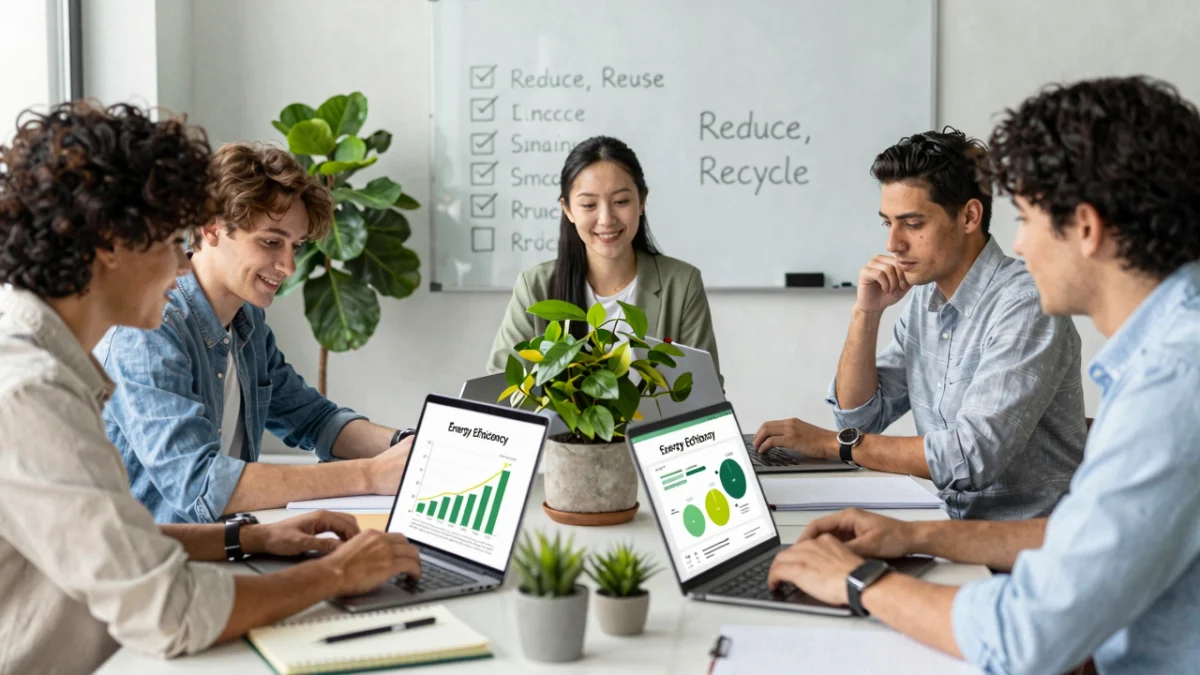
Sustainable facility management has transitioned from a niche corporate social responsibility initiative to a fundamental operational necessity for organizations seeking long-term viability in an increasingly carbon-conscious global economy. As the built environment currently accounts for approximately 40% of global energy-related carbon emissions, the role of facility managers is being redefined by the urgent need to integrate eco-friendly practices throughout the lifecycle of a building. This shift represents a holistic approach to managing infrastructure, focusing not only on reducing energy consumption and preventing greenhouse gas emissions but also on ensuring the safety, health, and productivity of building occupants. By prioritizing sustainability, organizations are positioning themselves as responsible leaders while simultaneously capturing significant operational cost savings and meeting the rising demands of a more environmentally aware consumer base.

The Historical Shift Toward Green Infrastructure
The journey toward sustainable facility management (SFM) began in earnest following the energy crises of the 1970s, which first highlighted the vulnerability of high-consumption buildings. However, it was the formalization of green building standards in the 1990s, most notably the launch of the Leadership in Energy and Environmental Design (LEED) certification by the U.S. Green Building Council, that provided a roadmap for facility managers. Over the subsequent decades, the focus has expanded from simple energy conservation to a comprehensive "Triple Bottom Line" approach: People, Planet, and Profit.
In the current era, the urgency of climate change and the introduction of strict environmental regulations have accelerated this evolution. Modern facility management now incorporates advanced data analytics, renewable energy integration, and circular economy principles to manage waste. This evolution is driven by the realization that buildings are not static assets but dynamic ecosystems that require continuous optimization to remain efficient and compliant with evolving standards.

Strategic Energy Management and Efficiency Upgrades
The cornerstone of any sustainable facility initiative is energy efficiency. Data suggests that upgrading to high-efficiency systems can reduce energy costs by up to 20%, providing a compelling financial incentive for capital investment. The most immediate and cost-effective entry point for many organizations is the transition to Light Emitting Diode (LED) lighting. LEDs consume significantly less power than traditional incandescent or fluorescent bulbs and have a much longer lifespan, which reduces both energy bills and the labor costs associated with frequent replacements.
Beyond lighting, the optimization of Heating, Ventilation, and Air Conditioning (HVAC) systems represents the largest opportunity for energy reduction. HVAC systems typically account for nearly half of a commercial building’s energy use. Modern sustainable practices involve the installation of high-efficiency heat pumps, variable refrigerant flow (VRF) systems, and smart thermostats that adjust temperature based on occupancy patterns. Regular preventive maintenance is also critical; a poorly maintained HVAC system can lose 5% to 40% of its efficiency, leading to unnecessary waste and premature equipment failure.

The Role of Renewable Energy Integration
To achieve deep decarbonization, facility managers are increasingly looking beyond efficiency toward renewable energy sources. By harnessing solar, wind, or geothermal energy, facilities can significantly reduce their reliance on fossil-fuel-based power grids. The integration of on-site renewable energy, such as rooftop solar arrays, not only lowers the carbon footprint of the building but also provides a hedge against volatile utility prices.
Recent industry reports indicate that combining energy-efficient technologies with renewable sources can reduce a building’s CO2 emissions by approximately 9% almost immediately, with greater gains possible as battery storage technology matures. This transition is often supported by government grants and tax rebates, which help offset the initial installation costs and shorten the payback period for these investments.

Smart Building Technologies and Resource Optimization
The digital transformation of facility management has introduced a suite of "smart" technologies that allow for unprecedented control over resource use. Interconnected sensors and Internet of Things (IoT) devices can monitor energy usage, water consumption, and even air quality in real-time. These systems utilize automated algorithms to optimize building performance without the need for constant human intervention.
For example, smart lighting systems can dim or turn off lights in unoccupied zones, while automated building management systems (BMS) can adjust ventilation based on the number of people in a room. These technologies do more than just save energy; they enhance occupant safety and security. Real-time alerts for gas leaks, smoke detection, or water pipe bursts allow facility teams to respond to hazards instantly, preventing property damage and protecting lives. Research indicates that the implementation of smart building technologies can lead to an additional 30% reduction in energy costs by eliminating human error and optimizing resource allocation.

Indoor Air Quality and the Human Factor
While environmental impact is a primary driver of SFM, the "People" aspect of the Triple Bottom Line is equally vital. Improving Indoor Air Quality (IAQ) has become a priority, particularly in the post-pandemic landscape. Poor IAQ is linked to a variety of respiratory issues and has been shown to decrease cognitive function and productivity among employees.
Sustainable facility management addresses this by utilizing high-efficiency air filters (such as HEPA or MERV 13+), ensuring adequate ventilation rates, and selecting low-VOC (Volatile Organic Compound) materials for paints, carpets, and furniture. By creating a healthier workspace, organizations can reduce absenteeism and improve employee retention. This focus on wellness is often codified through certifications like the WELL Building Standard, which focuses exclusively on the health and well-being of the people inside the building.

Sustainable Procurement and Waste Reduction
A truly sustainable facility must also consider its supply chain and waste streams. Sustainable procurement involves sourcing goods and services that have a minimal environmental impact throughout their lifecycle. This includes purchasing recycled office supplies, biodegradable cleaning products, and energy-efficient appliances.
Waste reduction practices are similarly essential. Facility managers are moving beyond simple paper recycling to implement robust composting programs for organic waste and digital solutions to minimize paper usage. By adopting a circular economy mindset—where products are reused or repurposed rather than discarded—facilities can significantly lower their contribution to landfills. Monitoring waste management through Key Performance Indicators (KPIs) allows organizations to track their progress and identify areas where they can further reduce their environmental footprint.

Challenges and Barriers to Implementation
Despite the clear benefits, the transition to sustainable facility management is not without obstacles. One of the primary challenges is the significant upfront cost associated with retrofitting older buildings with modern, energy-efficient technologies. For organizations with tight budgets, these initial expenditures can be daunting, even when the long-term ROI is clear.
Furthermore, facility managers often face internal resistance to change. Stakeholders may be skeptical of new technologies or hesitant to alter established operational routines. Additionally, the regulatory landscape is constantly evolving, requiring continuous training and development for facility management teams. Keeping up with the latest sustainability standards and compliance requirements demands a commitment to lifelong learning and professional development.

Solutions and Success Metrics
To overcome these barriers, experts recommend starting with a comprehensive sustainability audit to identify the most impactful and cost-effective opportunities for improvement. Setting SMART (Specific, Measurable, Achievable, Relevant, and Time-bound) goals provides a structured roadmap for the organization. Engaging cross-functional teams ensures that sustainability is not viewed as a siloed effort but as a shared responsibility across the entire organization.
Measuring success is critical for maintaining momentum. Key Performance Indicators (KPIs) such as energy use intensity (EUI), water consumption per occupant, and waste diversion rates provide the data necessary to demonstrate the value of sustainability initiatives to executive leadership. Green certifications, such as LEED or BREEAM, serve as a third-party validation of these efforts, enhancing the facility’s marketability and potentially increasing property value.

Future Trends and Global Implications
Looking forward, the field of sustainable facility management is poised for further innovation. The integration of Artificial Intelligence (AI) will allow for even more sophisticated predictive maintenance, identifying equipment failures before they occur and further reducing waste. We are also seeing a move toward "Net Zero" buildings—structures that generate as much energy as they consume over the course of a year.
As global energy regulations tighten and consumer demand for responsible corporate behavior grows, the adoption of sustainable facility management will likely become a prerequisite for doing business. Organizations that fail to adapt risk facing higher operational costs, regulatory penalties, and a diminished brand reputation. Conversely, those that embrace sustainability will find themselves at the forefront of a new era of efficiency and environmental stewardship.

In conclusion, sustainable facility management is a multifaceted discipline that requires a strategic blend of technology, policy, and human-centric design. By focusing on energy efficiency, renewable integration, smart technologies, and occupant health, facility managers can drive significant value for their organizations while contributing to a more sustainable future for the planet. The transition may be complex, but the rewards—economic, environmental, and social—are undeniable.
