

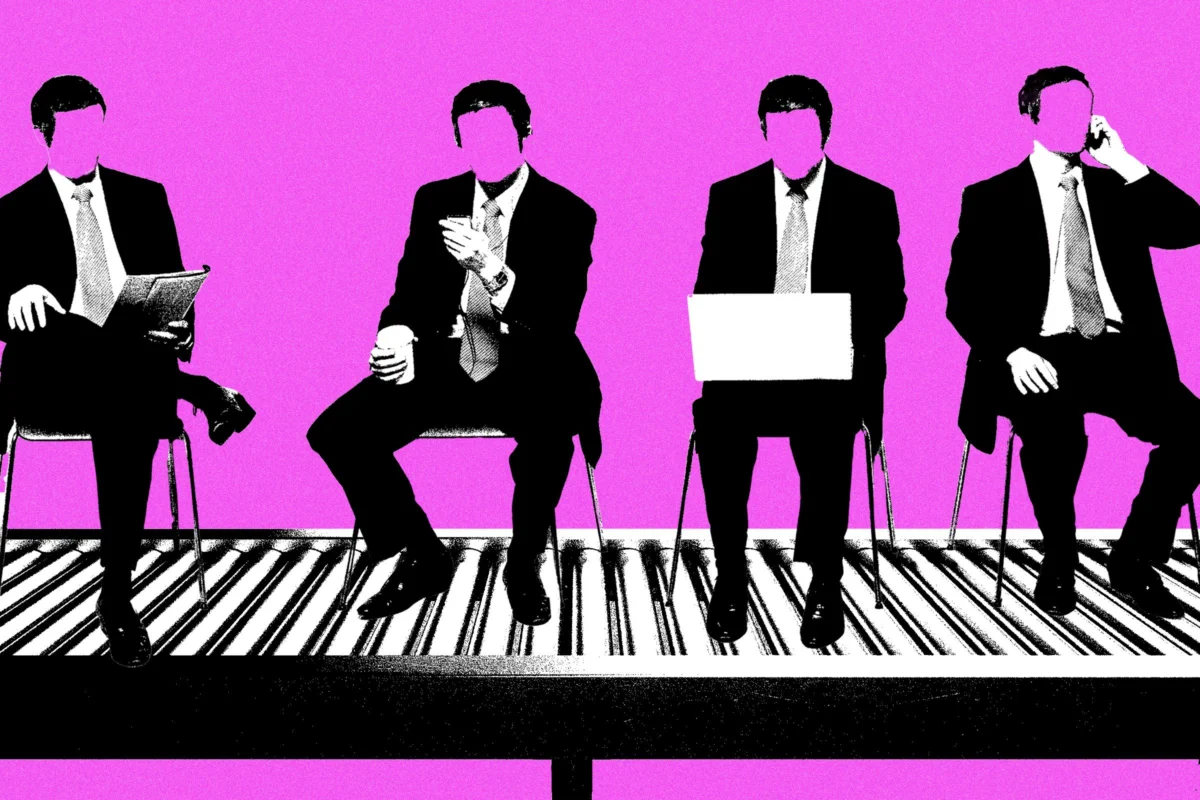
The corporate landscape is on the cusp of a profound transformation, with hundreds of thousands of new "coworkers" poised to enter the workforce in the coming months. These aren’t flesh-and-blood individuals, but rather sophisticated artificial intelligence agents, designed to seamlessly integrate into existing organizational structures. They will learn names, appear in profile pictures, join email chains and Slack channels, and assume roles ranging from chiefs of staff to engineers and marketing specialists. This influx signifies a pivotal shift, moving AI from the realm of mere tools to that of autonomous digital employees.
The burgeoning field of AI agents, powered by advanced large language models, is rapidly spawning a wave of companies offering the services of these digital workers. The allure is undeniable: AI agents promise round-the-clock availability, unwavering diligence, and a capacity for superhuman intelligence, all without the complexities of human interaction. However, beneath the surface of this technological acceleration lies a curious dearth of discussion regarding the practicalities of integrating these agents as actual colleagues within human teams.
The Evolving Definition of an AI Colleague
The ambiguity surrounding the nature of AI in the workplace was recognized by Julie Bedard, a partner at Boston Consulting Group (BCG), as early as three years ago. The widespread adoption of tools like ChatGPT had convinced many executives of AI’s potential for exponential productivity gains. "People didn’t have language for it," Bedard told WIRED. "Is it a tool? Is it a teammate? Is it a colleague? Is it a coworker?" This fundamental question continues to shape how organizations approach AI integration.
Initially, platforms like Microsoft’s Copilot and Google’s Gemini for Workspace, launched in 2023, were marketed primarily as employee augmentation tools. However, a significant shift has occurred. A poll of 1,261 managers conducted in January revealed that a substantial 22 percent of their organizations had already incorporated AI agents into their corporate org charts. Bedard anticipates this figure will continue to climb, fueled by a surge of startups specializing in AI employees and the aggressive marketing of autonomous agents by major tech corporations.
Pioneers in the AI Workforce
Microsoft’s recent launch of "Scout" in June exemplifies this trend. Described as an AI agent capable of tasks such as rescheduling meetings and drafting emails, Scout represents a tangible step towards AI functioning as a dedicated corporate assistant. "Your company essentially hires your assistant," Omar Shahine, Corporate Vice President at Microsoft Scout, stated at the agent’s launch. "The whole point of having a personal assistant is that they’re working when you’re not working." This 24/7 operational capacity is a core differentiator for AI agents.
The success of these AI agents hinges not only on their financial returns but also on their ability to foster harmonious working relationships with their human counterparts. To facilitate this integration, companies are meticulously crafting agents that highlight the benefits of AI while packaging them in human-like traits designed to encourage anthropomorphism among employees.
Dhruv Amin, co-founder of Anything, a startup focused on "vibe coding," noted this phenomenon. His company entered the AI coworker market in August with its platform, Skydive. "People start to really respect the agent and form strong attachments," Amin observed. "They’ll talk about it like humans."
Skydive: A Case Study in Human-AI Collaboration
Skydive’s agents are conceptualized not as mere chatbots or workflows, but as distinct coworkers with their own names, defined roles, and dedicated cloud computing resources. They operate across multiple communication platforms, including Slack, email, and iMessage. To enhance relatability, each agent is represented by a Muppet-esque avatar, which Amin describes as "close to human, but definitely not human." These avatars, coupled with role-aligned names like "Canary" for a 24/7 production monitor, are deliberate design choices aimed at fostering familiarity.
"We think it’s important to personify them a little bit," Amin explained, "because most people still don’t know what a real agent is."
Christine Wendell, CEO of Pronto Housing and an early adopter of Skydive, utilizes these AI agents for a wide array of administrative tasks, including drafting contracts, scheduling meetings, and sending follow-up emails to clients. In essence, her agents function as ideal employees.
The true test, however, lies in their performance as coworkers. Skydive agents are designed to embed deeply within workplace communication channels and possess the remarkable ability to continuously adapt to the communication styles, requests, and corrections of their human colleagues. This adaptive learning process allows them to integrate more effectively. Wendell observed this firsthand when her engineering team began collaborating with an agent named "Alice." Employees started referring to their work with Alice as if she were a human team member.
The Appeal of Non-Human Colleagues
A significant part of the appeal of AI agents, beyond their tireless work ethic, is their detachment from human workplace dynamics. They operate free from office politics, professional neuroses, and the emotional complexities that can sometimes hinder human collaboration. Wendell recounted an instance where "Bob," an agent acting as her chief of staff, inadvertently shared sensitive calendar details in a public Slack channel. Wendell felt no compunction to soften her direct correction, a stark contrast to how she might address a human subordinate.
"I’m definitely very aware that it’s not human," Wendell stated. "I dump on them in a way I wouldn’t do to a human, because it would not be polite." This ability to offer candid feedback without fear of causing offense represents a unique advantage in a professional setting.
The Blurring Lines Between Work and Personal AI
The integration of AI coworkers into the professional sphere mirrors a broader trend of AI agents permeating personal lives. While Silicon Valley has been leveraging agents like Open Claw and Instinct for months to manage mundane tasks, Meta’s recent launch of Muse aims to propel personal AI agents into the mainstream.
Muse, much like Skydive’s avatars, is represented by an engaging and approachable visual. WIRED senior writer Reece Rogers described the user experience as akin to "texting a friend with task requests – the AI agent acknowledges messages with a thumbs-up emoji and gets to work in the background." By drawing parallels to established human relationships, these agents, whether for work or personal use, offer an intuitive shortcut to understanding and interacting with AI.
The Psychological and Ethical Implications
However, the anthropomorphization of AI in the workplace is not without its potential risks. Research conducted by Bedard and her BCG colleagues indicated that when managers were informed that a task was completed by an AI employee, they identified 18 percent fewer errors compared to when they believed it originated from an AI tool. This suggests a subtle, yet significant, impact on human oversight and critical assessment. Bedard further notes that AI agents do not neatly fit into the established frameworks used to categorize human employee capabilities and shortcomings, creating new challenges for performance management and organizational design.
"Companies are just starting to wrap their heads around what guardrails are even applicable," Bedard remarked, highlighting the nascent stage of regulatory and ethical considerations.
The phenomenon of forming deep emotional connections with AI is not entirely new. For years, individuals have engaged with chatbot companions for personal relationships. Even within professional contexts, AI tools have elicited surprising reactions. Last year, Henry Blodget, founder of Business Insider, documented his experience building a team of digital subordinates, admitting to experiencing a "human response" to the headshot of a particularly attractive AI colleague. This prompted him to question whether established workplace norms regarding personal thoughts and interactions would apply in an AI-native environment.
Existential Questions and the Future of Work
Sarah Franklin, CEO of HR company Lattice, voices more profound, existential concerns. Lattice incorporated digital employees into its organizational structure two years ago, prior to the concept gaining widespread traction. Franklin emphasizes that Lattice’s objective is to foster accountability, not to encourage employees to treat AI colleagues as if they were human.
Franklin views the anthropomorphization of AI as a strategic tactic by tech companies to foster user dependency, leveraging the dopamine rush associated with emotional connection. While this can cultivate a dedicated user base, Franklin posits that it may lead to detrimental neurological and behavioral consequences for the human workforce.
"We have these models that have consumed all human knowledge, and are so proud to have these multitrillion valuations – but are potentially destroying humanity," Franklin stated, expressing a sentiment of deep concern. "It is very scary. And what is the purpose? Is the purpose to put people out of work?" This question strikes at the heart of the debate surrounding AI’s ultimate impact on employment and the very definition of work.
As AI agents become increasingly sophisticated and integrated into the fabric of our professional lives, organizations, policymakers, and individuals alike must grapple with the complex ethical, psychological, and societal implications. The transition to a workplace populated by both human and AI colleagues necessitates a thoughtful and proactive approach to ensure that this technological evolution serves to augment human potential rather than diminish it. The journey into this new era of work has just begun, and its ultimate destination remains a subject of ongoing exploration and critical examination.
