

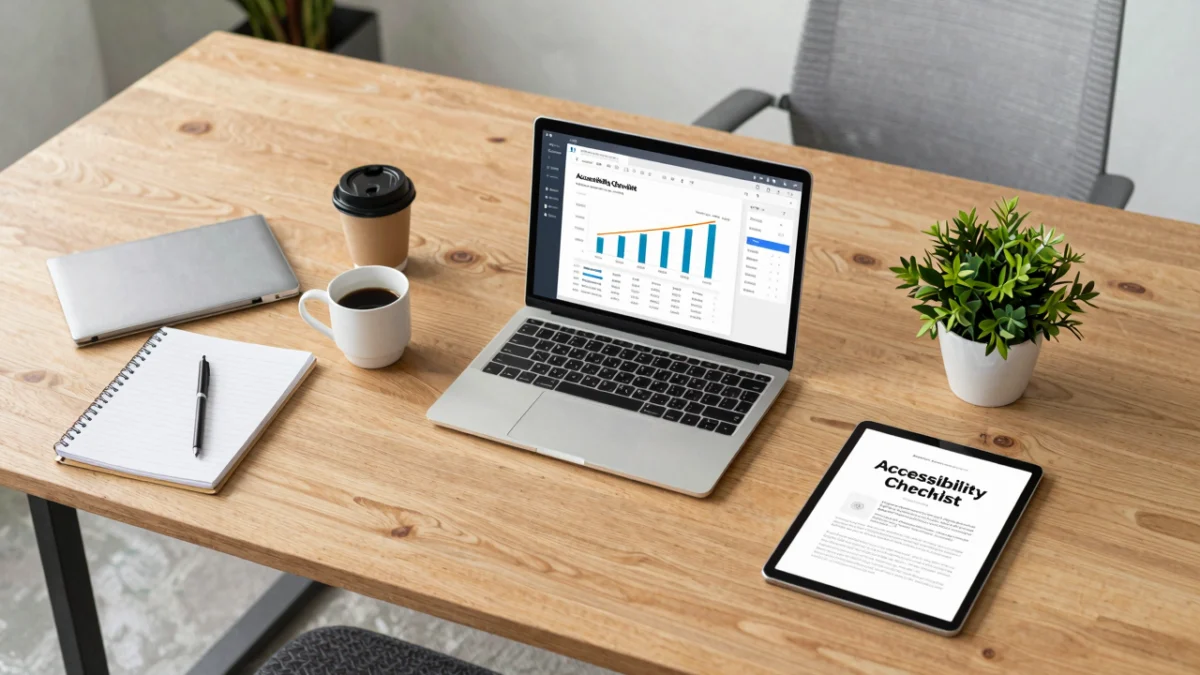
The modern corporate landscape is undergoing a fundamental transformation as organizations move away from traditional, rigid office layouts toward human-centric environments that prioritize employee well-being and adaptability. Industry data suggests that the physical workspace is no longer merely a backdrop for business operations but a strategic tool that directly influences recruitment, retention, and overall organizational performance. As businesses navigate the complexities of the post-pandemic era, the focus has shifted toward creating "activity-based" environments that cater to a diverse workforce with varying cognitive and physical needs.

The Evolution of the Workspace: A Chronological Shift
The philosophy of office design has seen a dramatic evolution over the last half-century. In the 1960s and 70s, the "Action Office" gave way to the ubiquitous cubicle farm, designed for efficiency but often criticized for creating silos and a sense of isolation. By the early 2000s, the "Open Office" trend promised transparency and collaboration but frequently resulted in increased noise pollution and a significant drop in deep-focus productivity.
Today, the industry is entering a new phase defined by "Hybrid Flexibility" and "Inclusive Design." This current era recognizes that a one-size-fits-all approach is obsolete. Modern space planning now incorporates a spectrum of environments within a single office, ranging from high-energy collaborative hubs to soundproof "deep work" pods. This shift is driven by the realization that employees require different settings for different tasks throughout the workday.

Prioritizing Employee Well-Being and Mental Health
Current research indicates that employee well-being is the primary driver of modern office design. Organizations are increasingly investing in mental health-supportive architecture. This involves the strategic creation of quiet zones—dedicated areas where noise is strictly regulated to allow for intense concentration and stress reduction. These zones are often balanced by social "third spaces," such as internal cafes or lounge areas, which facilitate the spontaneous interactions that drive innovation.
Data from the World Health Organization and various workplace psychology studies suggest that poor office design can contribute to burnout and musculoskeletal disorders. To combat this, modern planners are integrating ergonomic furniture as a standard requirement rather than an executive luxury. Adjustable sit-stand desks, chairs with dynamic lumbar support, and monitor arms that prevent neck strain are now considered essential components of a health-first workspace.

The Rise of Neurodiversity in Design
A significant enrichment of modern space planning is the formal recognition of neurodiversity. It is estimated that approximately 15% to 20% of the global population is neurodivergent, including individuals with autism, ADHD, and dyslexia. Journalistic analysis of corporate HR trends shows that inclusive design is becoming a key metric for Environmental, Social, and Governance (ESG) reporting.
Designing for neurodiversity involves managing sensory input. This includes the use of sound-absorbing materials—such as felt acoustic panels, heavy carpeting, and specialized ceiling baffles—to minimize auditory distractions. Furthermore, strategic layouts that avoid "visual clutter" and provide clear wayfinding help reduce cognitive load. Assistive technologies, such as screen readers and adjustable lighting, are being integrated into the infrastructure to ensure that every employee, regardless of their neurological profile, can perform at their peak.

The Science of Environmental Factors: Lighting and Acoustics
The impact of environmental variables on human biology is a critical area of study for contemporary office planners. Lighting, in particular, has been shown to affect the circadian rhythms of workers. Studies have demonstrated that maximizing natural light exposure can enhance mood and boost productivity by as much as 15%. Forward-thinking organizations are now arranging workstations within 20 to 25 feet of windows and utilizing glass partitions to allow light to penetrate deeper into the building’s core.
Acoustic management is equally vital. In open-plan offices, speech privacy is a frequent concern. When employees feel their conversations are being overheard, they are less likely to share creative ideas or engage in honest communication. The implementation of "sound masking" technology—which emits a soft, unobtrusive background noise designed to cover the frequencies of human speech—is becoming a popular solution for maintaining privacy in collaborative settings.

Biophilic Design and the Connection to Nature
Biophilic design, the practice of incorporating natural elements into the built environment, has moved from a niche aesthetic choice to a scientific necessity. The integration of indoor plants, "living walls," and natural materials like wood and stone is linked to lower heart rates and reduced cortisol levels among staff.
Beyond aesthetics, biophilic design improves indoor air quality. Plants act as natural filters for volatile organic compounds (VOCs) commonly found in office carpets and furniture. When combined with advanced HVAC systems that prioritize fresh air circulation, these design choices create a "breathing" office that supports physical health and mental clarity.

Strategic Space Navigation and Layout Optimization
Effective space planning requires a data-driven approach to navigation and floor plan structure. Industry standards suggest a baseline of 100 to 120 square feet per person to ensure comfort while allowing for future growth. However, the "utilization rate" is the more important metric. Many organizations are finding that while they have large footprints, much of their space remains underutilized.
Strategic space navigation involves creating intuitive pathways that guide movement through the office. By placing high-traffic areas, like kitchens and copy rooms, in central locations, designers can encourage "accidental collisions" between different departments, fostering cross-functional collaboration. Conversely, private offices and meeting rooms are increasingly being moved toward the interior or specific "quiet wings" to shield them from the bustle of common areas.

Flexibility and the Economics of Space Management
The rise of remote work has forced a reevaluation of the "Stay vs. Go" dilemma. Many companies are now conducting rigorous studies to determine whether they should refurbish their existing facilities or move to new, more efficient buildings. While new constructions often offer the latest in sustainable technology and modern aesthetics, refurbishing existing space can be a more cost-effective way to revitalize a brand and boost morale without the upheaval of a relocation.
For those choosing to stay, identifying underutilized space is paramount. The General Services Administration (GSA) and other large-scale property managers advocate for "space release" processes, where excess square footage is identified and either sublet or repurposed. This "right-sizing" approach allows companies to reduce overhead costs while investing the savings back into high-quality amenities for the remaining footprint.

Smart Storage and Clutter Reduction
A clutter-free environment is essential for mental focus. Smart storage solutions, such as modular units and multi-functional furniture, allow offices to maintain a minimalist aesthetic without sacrificing utility. Digital transformation has also played a role; as offices move toward paperless operations, the need for massive filing cabinets has diminished, freeing up valuable square footage for wellness rooms or collaborative pods.
Lockers and "hot-desking" storage have become standard in flexible offices. As more employees adopt hybrid schedules, they no longer require a permanent desk but do need a secure place to store personal belongings during their days in the office. This transition to "unassigned seating" requires robust organizational systems to prevent the office from feeling transient or disorganized.

Creating Inclusive and Accessible Environments
Accessibility in the modern office extends far beyond basic compliance with the Americans with Disabilities Act (ADA) or similar international standards. Universal design principles dictate that an environment should be usable by all people, regardless of age, size, or ability, without the need for adaptation.
This includes wide corridors, adjustable-height countertops in kitchens, and "no-step" entries. Inclusive design also considers the "invisible" needs of the workforce, such as providing private rooms for nursing mothers, prayer or meditation spaces, and gender-neutral restrooms. By fostering an environment where every individual feels considered, organizations can build a culture of belonging that transcends the physical space.

The Broader Impact: Productivity, Retention, and ESG
The implications of thoughtful office design reach far beyond the immediate comfort of the staff. There is a direct correlation between high-quality workspace design and corporate financial performance. Companies that prioritize employee experience see higher levels of engagement, which translates to lower turnover rates and reduced recruitment costs.
Furthermore, office design is now a central pillar of a company’s ESG strategy. Sustainable materials, energy-efficient lighting, and biophilic elements contribute to a lower carbon footprint and demonstrate a commitment to social responsibility. In an era where top talent often chooses employers based on their values, the office serves as a physical manifestation of a company’s dedication to its people and the planet.

Conclusion: The Future of the Strategic Workspace
In summary, the transition toward adaptive, human-centric office planning is an essential response to the changing nature of work. By integrating neurodiversity, prioritizing acoustics and lighting, and embracing biophilic principles, organizations can create environments that do more than just house employees—they empower them.
As businesses continue to analyze their space requirements, the focus will remain on flexibility and efficiency. Whether through the repurposing of underutilized areas or the implementation of cutting-edge assistive technologies, the goal is clear: to foster a productive, inclusive, and healthy environment that supports the diverse needs of the modern workforce. Those who invest in their physical space today are setting the stage for long-term organizational resilience and success in an increasingly competitive global market.
