

The landscape of American entrepreneurship is undergoing a significant transformation as prospective business owners increasingly pivot away from independent startups in favor of the franchise model. This shift is driven by a desire for risk mitigation, access to established supply chains, and the benefit of national brand recognition. In the current economic climate, characterized by fluctuating interest rates and evolving consumer habits, franchising offers a structured path to ownership with a focus on sectors that demonstrate "recession-resilient" qualities. Industry data suggests that the franchise sector is poised for continued expansion, particularly in specialized retail, home maintenance, and supplemental education, where demand remains consistent regardless of broader macroeconomic volatility.

The Macroeconomic Context of Modern Franchising
The appeal of franchising in 2024 is rooted in the "proven model" advantage. According to the International Franchise Association (IFA), franchise businesses typically experience higher five-year survival rates than independent small businesses. This is largely attributed to the operational blueprints provided by franchisors, which include everything from site selection and marketing strategies to inventory management and staff training.
Currently, the market is seeing a surge in "mid-tier" investments—ventures requiring an initial capital outlay between $50,000 and $250,000. This bracket is particularly attractive to mid-career professionals looking to transition out of corporate environments and into local business ownership. Key sectors leading this growth include home services, which has benefited from an aging U.S. housing stock, and tech-focused child education, driven by the global emphasis on STEM (Science, Technology, Engineering, and Math) literacy.

Strategic Spotlight: Specialized Retail and Batteries Plus
One of the most enduring examples of specialized retail success is Batteries Plus. Founded over three decades ago, the brand has evolved from a simple battery retailer into a multi-stream service provider. This evolution is a critical case study in franchise adaptability. By integrating smartphone and tablet repair services—specifically catering to the high demand for Apple and Samsung device maintenance—the brand has secured a foothold in the "right-to-repair" economy.
For an investor, Batteries Plus represents a diversified revenue model. Income is generated through retail sales of batteries and light bulbs, commercial accounts (B2B), and technical repair services. The financial entry point remains accessible for many, with a minimum cash requirement often cited around $100,000. The longevity of the brand—boasting over 30 years of consistent growth—serves as a benchmark for stability in the retail sector.

The Home Services Boom: Mr. Handyman and Painting Franchises
The home services industry in North America has seen unprecedented demand over the last five years. As homeowners stay in their properties longer, the need for professional maintenance, repair, and aesthetic upgrades has created a lucrative environment for brands like Mr. Handyman, Fresh Coat, and Five Star Painting.
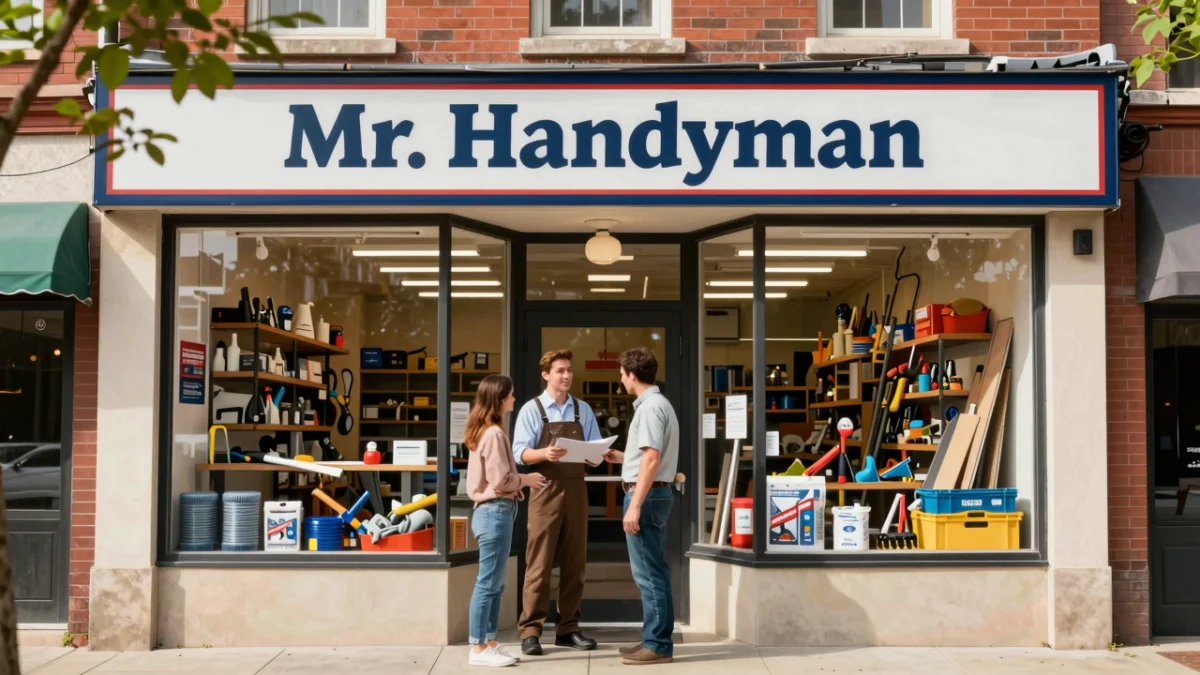
Mr. Handyman, part of the Neighborly brand umbrella, operates on a model of high-trust and professional reliability. The initial investment for such a franchise typically ranges between $161,900 and $215,000, requiring a candidate with a net worth of at least $250,000. This higher entry point is balanced by a robust corporate support system and a massive market; the U.S. residential cleaning and maintenance market alone is valued at approximately $18.8 billion.

Similarly, painting franchises like Fresh Coat and Five Star Painting offer scalable opportunities. Fresh Coat is noted for its lower barrier to entry, with minimum cash requirements starting as low as $50,000. These businesses are often "executive-owned," meaning the franchisee manages the business and marketing while employing professional crews to perform the labor. This allows for rapid scaling and the ability to handle both residential and large-scale commercial contracts simultaneously.
Capitalizing on the Educational Technology Trend: Code Ninjas
As digital literacy becomes a non-negotiable skill for the next generation, supplemental education franchises have moved to the forefront of the investment landscape. Code Ninjas has capitalized on the "gamification" of learning, teaching children computer programming through a martial arts-themed curriculum.

The success of Code Ninjas reflects a broader trend: parents are increasingly willing to invest in their children’s future career readiness. From a business perspective, this model offers recurring revenue through monthly memberships and seasonal camps. While the investment varies by location, it fits within the mid-tier budget and provides a high level of community engagement, which is a significant draw for many first-time entrepreneurs.
The Chronology of a Franchise Investment
The path from prospective lead to operational owner is a structured process that typically spans four to nine months. Understanding this timeline is essential for financial planning and expectation management.

- The Research Phase (Month 1): Investors identify sectors that align with their personal interests and local market needs. This involves reviewing initial brand brochures and attending introductory webinars.
- The Discovery Phase (Months 2-3): This includes "Discovery Days," where candidates visit the franchisor’s headquarters, meet the executive team, and interview existing franchisees. This is the period for "due diligence," focusing on the Franchise Disclosure Document (FDD).
- Financial Approval and Signing (Month 4): Once financing is secured—often through SBA (Small Business Administration) loans or private capital—the franchise agreement is signed.
- Site Selection and Training (Months 5-7): The franchisor assists in finding a location (if brick-and-mortar) and provides intensive training for the owner and their management team.
- Grand Opening (Months 8-9): The business launches with the support of a corporate marketing blitz designed to generate immediate local awareness.
Financial Performance Metrics and Ongoing Costs
Investing in a franchise involves more than just the initial "franchise fee." A professional financial analysis must account for the total cost of ownership.
- Initial Franchise Fee: This is the "entry fee" paid to the franchisor, usually ranging from $30,000 to $60,000, granting the right to use the brand name and systems.
- Ongoing Royalty Fees: Most franchises charge a percentage of gross sales, typically between 4% and 8%. This fee funds the ongoing support and development of the franchise system.
- Advertising and Marketing Funds: Franchisees often contribute 1% to 3% of gross sales to a national or regional marketing fund. This allows small local businesses to benefit from high-production television commercials, digital ad campaigns, and professional social media management.
- Working Capital: It is critical to have "dry powder" or liquid cash to cover operational expenses—such as payroll, rent, and utilities—during the first six to twelve months before the business reaches its break-even point.
The Role of Franchisor Support and Training
A primary reason entrepreneurs choose franchising is the safety net of corporate support. Effective franchisors provide a multi-layered assistance program that includes:

- Initial Training: Comprehensive "University" style programs covering operations, software, and sales.
- Field Support: Dedicated regional managers who visit the location to help optimize performance and troubleshoot local issues.
- Technology Suites: Proprietary Point of Sale (POS) systems, CRM (Customer Relationship Management) tools, and inventory tracking software.
- Supply Chain Advantage: Leveraging the collective buying power of hundreds of units to secure lower prices on equipment and supplies than an independent owner could negotiate.
Broader Impact and Future Outlook
The expansion of the franchise network has significant implications for the broader economy. Beyond providing a path to wealth for individual owners, franchises are major engines of job creation. They often serve as the first employer for young people and provide stable, skilled employment in the trades.
As we look toward 2025, the franchise sector is expected to integrate more AI-driven tools for customer acquisition and operational efficiency. Brands that successfully merge the "human touch" of local service with high-tech back-end systems will likely see the highest satisfaction scores from both owners and customers.

For the aspiring entrepreneur, the conclusion is clear: success in franchising is not merely about buying a brand, but about selecting a system that matches personal financial capacity with local market demand. Through rigorous due diligence, an understanding of the ongoing financial commitments, and a commitment to following the established model, the franchise path remains one of the most viable routes to achieving the American dream of business ownership.
