

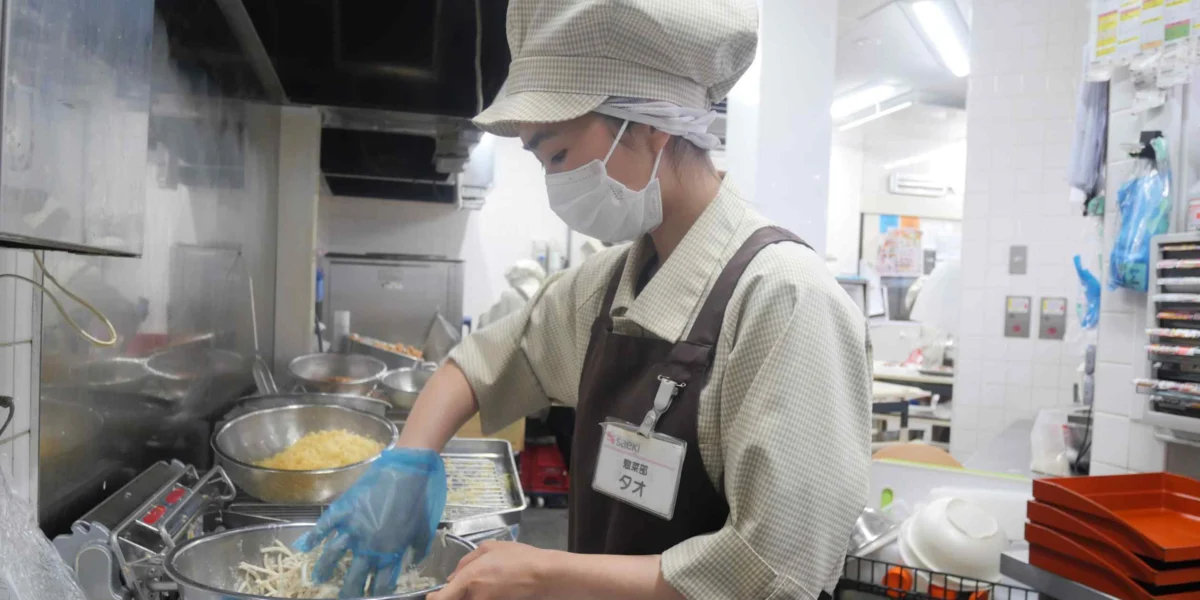
Japanese supermarket operator Saeki Selva Holdings is embarking on an ambitious expansion into Vietnam, with a strategic focus on cultivating local talent for leadership roles. The company announced its intention to rapidly train Vietnamese employees, equipping them with the skills and knowledge necessary to manage entire store operations. This initiative signals a deeper commitment to the Vietnamese market beyond mere retail presence, aiming to establish a sustainable and locally-driven operational framework.

Strategic Entry into the Vietnamese Market
Saeki Selva Holdings, a company with a significant presence in Japan’s competitive grocery sector, has identified Vietnam as a key growth frontier. The decision to enter the Vietnamese market comes at a time when Southeast Asia, and Vietnam in particular, continues to demonstrate robust economic growth and a burgeoning middle class with increasing disposable income. This demographic shift fuels demand for diverse and high-quality retail offerings, creating a fertile ground for international supermarket chains.
The company’s plan to invest in extensive training for Vietnamese staff underscores a phased approach to market entry. Rather than solely relying on expatriate management, Saeki is prioritizing the development of a local leadership pipeline. This strategy is not only cost-effective in the long run but also crucial for understanding and catering to the nuances of the Vietnamese consumer. Local managers are expected to possess an innate understanding of cultural preferences, dietary habits, and regional market dynamics, which are vital for success in any consumer-facing business.

A Dual-Country Training Program
The proposed training program will reportedly encompass a comprehensive curriculum, covering all facets of supermarket operations. This includes not only the day-to-day running of a store, such as inventory management, customer service, and merchandising, but also the strategic aspects of store leadership. Employees will likely receive hands-on experience in Japan, working alongside experienced Saeki personnel to gain exposure to the company’s established operational standards and best practices. Concurrently, training modules will be developed and implemented within Vietnam, adapting the curriculum to local conditions and regulations.
This cross-border training approach offers several advantages. For Vietnamese employees, it provides an unparalleled opportunity to learn from a mature and sophisticated retail market. They will gain insights into efficient supply chain management, advanced inventory control systems, and customer engagement strategies that have proven successful in Japan. For Saeki, it ensures that the Vietnamese workforce is trained to the company’s exacting standards, maintaining brand consistency and operational excellence across different geographical locations.

Background Context and Market Dynamics
Japan’s retail sector, while mature, faces challenges such as an aging population and intense domestic competition. For established players like Saeki, seeking new avenues for growth is a strategic imperative. Vietnam, with its young and rapidly urbanizing population, presents a stark contrast and a significant opportunity. The country’s economy has experienced consistent growth, with projections indicating a continued upward trajectory in the coming years.
The Vietnamese retail landscape is evolving. While traditional markets and smaller independent stores remain prevalent, modern retail formats, including supermarkets and hypermarkets, are gaining traction. Consumers are increasingly seeking convenience, variety, and quality, driving demand for organized retail. However, the market is also becoming more competitive, with both domestic players and other international retailers vying for market share. Saeki’s entry, therefore, is not without its challenges. Understanding consumer behavior, adapting product assortments, and building brand loyalty will be critical.

The company’s emphasis on local management development can be viewed as a direct response to these market dynamics. It suggests an understanding that a "one-size-fits-all" approach will not suffice. By empowering local staff, Saeki aims to build a more agile and responsive organization, capable of adapting quickly to market shifts and consumer demands. This also aligns with broader trends of localization in global business, where companies recognize the importance of integrating with local economies and workforces.
Timeline and Phased Implementation (Inferred)
While specific dates for the commencement of operations or the full rollout of the training program were not detailed in the initial announcement, the strategic nature of the initiative implies a phased implementation.

- Phase 1: Market Research and Feasibility Studies: Prior to the training announcement, Saeki would have conducted extensive market research to assess the viability of entering Vietnam. This would have involved analyzing consumer demographics, competitive landscape, regulatory environment, and potential site locations.
- Phase 2: Legal and Operational Setup: Following the decision to enter, the company would have commenced legal registration, establishing a local subsidiary, and securing necessary permits. This phase also includes initial infrastructure planning for potential store locations.
- Phase 3: Talent Acquisition and Initial Training: The announcement suggests that the recruitment and initial training of Vietnamese employees are either underway or will commence shortly. This would involve identifying potential candidates, likely with some prior retail or customer service experience. The initial training in Japan would then be scheduled.
- Phase 4: Pilot Store Operations and On-the-Job Training: Once a foundational group of trained employees is available, Saeki would likely open its first stores in Vietnam. These stores would serve as training grounds for ongoing, on-the-job development of store managers and other key personnel.
- Phase 5: Expansion and Management Succession: As the business grows, Saeki would continue to scale its operations, with the goal of having a significant portion of its management team comprised of locally trained Vietnamese individuals. This phase would focus on leadership development and succession planning.
The timeframe for such a comprehensive initiative could span several years, with the initial investment in training forming the bedrock for long-term success.
Potential Reactions and Broader Implications
The strategic decision by Saeki to invest heavily in local talent is likely to be met with positive reactions from various stakeholders.

- Vietnamese Government and Labor Market: The Vietnamese government, which actively seeks foreign direct investment that creates jobs and fosters skills development, is expected to welcome Saeki’s commitment. The emphasis on training local employees aligns with national goals of workforce enhancement and economic empowerment. This initiative could also serve as a model for other foreign companies looking to establish a sustainable presence in Vietnam.
- Consumers in Vietnam: For Vietnamese consumers, the prospect of a new supermarket chain offering potentially higher quality products and a refined shopping experience is appealing. The presence of local managers who understand their needs could foster a stronger sense of connection and trust with the brand.
- Japanese Retail Industry: Saeki’s move highlights a broader trend among Japanese companies to look beyond their domestic market for growth. The success of this strategy could encourage other Japanese retailers to explore similar approaches in emerging markets, particularly in Southeast Asia.
- Global Retail Trends: The focus on localization and talent development is a global trend in the retail sector. Companies that successfully integrate with local cultures and empower local workforces often achieve greater long-term success and sustainability. Saeki’s initiative positions it to be a part of this evolving landscape.
Analysis of Implications
Saeki’s approach carries significant implications for its long-term success in Vietnam.
- Enhanced Market Adaptability: By cultivating local leadership, Saeki is building an organization that is inherently more attuned to the nuances of the Vietnamese market. This will allow for quicker adaptation to changing consumer preferences, competitive pressures, and regulatory shifts.
- Cost Efficiency and Sustainability: While initial training investments are substantial, a localized management team can lead to greater cost efficiencies in the long run, reducing reliance on expensive expatriate staff and mitigating potential cultural misunderstandings that can lead to operational inefficiencies.
- Brand Reputation and Social Responsibility: Investing in local talent development demonstrates a commitment to the host country beyond mere profit-seeking. This can enhance Saeki’s brand reputation, foster goodwill within the community, and contribute positively to Vietnam’s economic development.
- Competitive Advantage: In a market where many international retailers might still rely heavily on imported management expertise, Saeki’s proactive approach to developing local leaders could provide a significant competitive advantage. It allows for more authentic engagement with local consumers and a deeper understanding of their needs.
- Talent Pipeline Development: The success of this program could create a robust talent pipeline not only for Saeki’s operations in Vietnam but potentially for its future expansion into other markets within the region, leveraging the expertise of its Vietnamese-trained managers.
The commitment to fast-tracking Vietnamese employees to store management positions is a strategic imperative for Saeki Selva Holdings as it ventures into the dynamic Vietnamese market. This approach, grounded in a deep understanding of local market needs and a long-term vision for growth, is poised to be a key differentiator for the Japanese supermarket operator. By investing in its people, Saeki aims to build a sustainable and locally resonant retail presence, contributing to both its own expansion and the economic development of Vietnam.
