

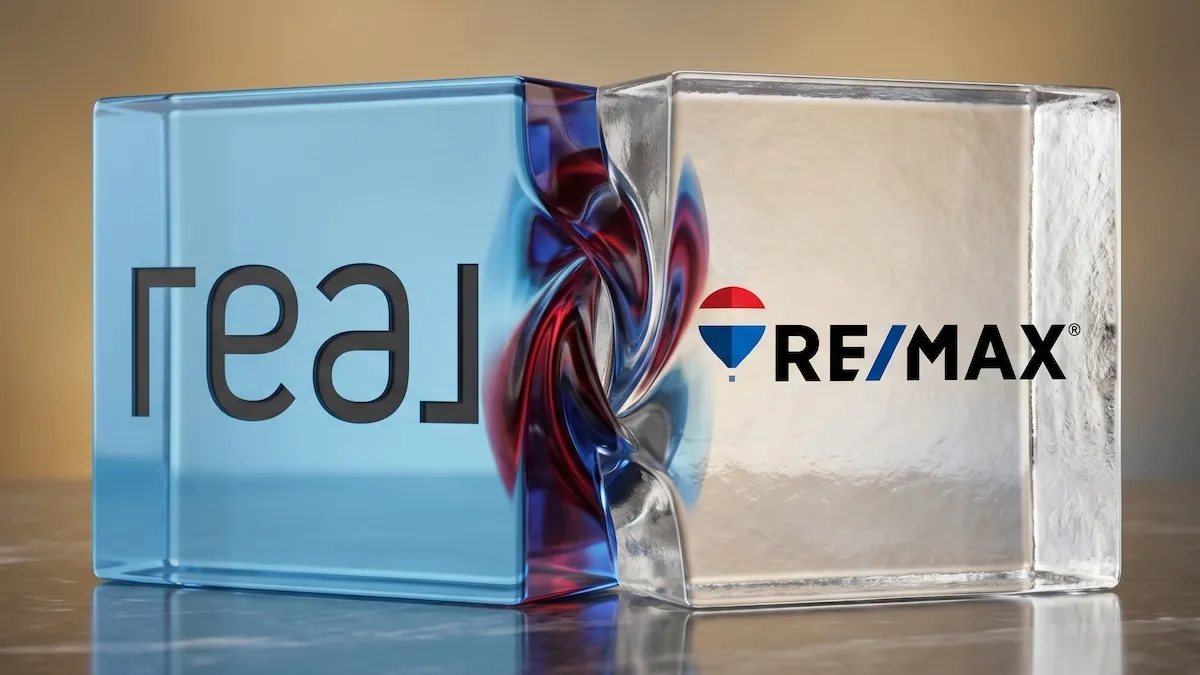
The real estate industry underwent a historic transformation this week as Real REMAX Group Inc. announced the successful completion of the business combination between The Real Brokerage Inc. and RE/MAX Holdings Inc. This merger, which was finalized on Monday following a series of regulatory and shareholder approvals, establishes a massive, technology-driven global platform. The newly formed entity now oversees a network of more than 180,000 agents operating in more than 120 countries and territories. By uniting one of the industry’s fastest-growing, cloud-based disruptors with one of the most recognized legacy brands in the world, the deal represents a strategic pivot toward a future where proprietary technology and global franchise scale are inextricably linked.
The transaction has immediate implications for the public markets. As of the close of trading on the day of the announcement, common shares of The Real Brokerage Inc. and Class A common stock of RE/MAX Holdings Inc. officially ceased trading on the Nasdaq Global Select Market and the New York Stock Exchange, respectively. In a move designed to streamline the capital structure of the combined entity, former Real shareholders received one share of Real REMAX Group common stock for every ten shares previously held, following a 10-for-1 share consolidation. According to the official company statement, the combined company’s shares are scheduled to begin trading under the new ticker symbol “REAX” on the Nasdaq starting August 25, 2026. This timeline suggests a structured transition period during which the internal operations of the two massive organizations will be integrated before the unified stock begins its next chapter of public trading.
A Strategic Marriage of Technology and Legacy
The merger of Real and RE/MAX is viewed by market analysts as a "best of both worlds" scenario. The Real Brokerage, led by Tamir Poleg, built its reputation on a lean, cloud-based model that eschews the high overhead of traditional brick-and-mortar offices. Its value proposition centered on high-split commission structures, equity ownership for agents, and a proprietary technology stack designed to automate the administrative burdens of a real estate transaction. Conversely, RE/MAX, founded in 1973, is a pillar of the traditional real estate world. With its iconic hot air balloon logo and a presence that spans nearly every continent, RE/MAX provided the global footprint and brand trust that a younger firm like Real would have taken decades to build organically.
Tamir Poleg, who assumes the role of Chairman and CEO of Real REMAX Group, characterized the acquisition as a "transformational moment" for the industry. He noted that the goal is to build a platform that not only empowers professionals but also significantly improves the consumer experience through seamless integration. By combining Real’s agile operating model with RE/MAX’s extensive franchise network, the new company aims to create a more efficient ecosystem for buying and selling homes. The combined entity now manages a formidable workforce, including more than 100,000 agents specifically located within the United States and Canada, positioning it as a direct competitor to other industry giants like eXp Realty and Anywhere Real Estate.
Chronology of the Transaction
The road to this merger involved several months of intense negotiations and regulatory scrutiny. The process began with the initial announcement of the $880 million acquisition plan, which signaled a major shift in the competitive landscape. Following the announcement, the companies moved through a series of critical milestones:
- Initial Agreement: The Real Brokerage and RE/MAX Holdings entered into an Arrangement Agreement and Plan of Merger that valued the combined synergies and future growth potential of the integrated tech stack.
- Shareholder Approval: In mid-2024, shareholders from both organizations voted overwhelmingly in favor of the merger, recognizing the potential for increased market share and operational efficiencies.
- Court and Regulatory Clearance: The deal underwent rigorous legal review, including court approval to ensure the fairness of the share consolidation and the protection of minority interests.
- Closing and Delisting: On Monday, the merger was officially closed. This resulted in the immediate suspension of trading for the individual stocks (REAL and RMAX) as they began the conversion process into the new Real REMAX Group equity.
- Future Integration Phase: The period between the closing and the August 2026 ticker launch will be dedicated to merging back-end systems, aligning corporate cultures, and deploying Real’s AI tools across the RE/MAX franchise network.
Financial Architecture and Agent Compensation
The financial structure of the deal was designed to provide stability while rewarding the stakeholders of the high-growth "Real" side of the business. The 10-for-1 share consolidation is a common move in large-scale mergers to ensure that the resulting share price remains at a level attractive to institutional investors and compliant with exchange listing requirements.
One of the most significant aspects of the new group is its approach to agent compensation. Real has historically utilized an equity-heavy model, allowing agents to become stakeholders in the company they help build. RE/MAX, meanwhile, has operated on a franchise model where broker/owners manage local offices. The Real REMAX Group intends to maintain both identities, allowing RE/MAX franchisees to keep their independence while offering them the option to leverage the equity incentives and technology that made Real popular among modern, tech-savvy agents. This hybrid approach is intended to prevent the "agent churn" that often plagues large mergers, ensuring that veteran RE/MAX agents feel their legacy is protected while newer agents feel they have a path to ownership.
Technological Integration and AI Implementation
A central pillar of the merger is the expansion of Real’s proprietary technology. Real has invested heavily in artificial intelligence, including its "Leo" AI assistant, which helps agents manage workflows, answer client queries, and process documents. Under the new leadership, these tools will be made available to the wider RE/MAX network.
The strategy involves creating a "frictionless" experience for the consumer. By integrating mortgage, title, and escrow services directly into the agent’s digital platform, Real REMAX Group hopes to capture a larger share of the ancillary services market. For the 180,000 agents in the network, this means having a single portal to manage a lead from the first click on a listing to the final signature at the closing table. CEO Tamir Poleg emphasized in a memo to employees that the company’s "North Star" is to find ways to make agents’ lives better, which in turn leads to a more satisfied homebuyer or seller.
Official Responses and Internal Sentiment
In the wake of the announcement, leadership has moved quickly to reassure the global workforce. In an internal email, Poleg acknowledged the storied history of the RE/MAX brand, calling it "iconic" and noting the "decades of consumer trust" it has earned. He was careful to specify that the merger does not mean the end of the RE/MAX identity. "If you are a RE/MAX agent or broker/owner, nothing about your business changed when you woke up this morning," Poleg wrote, emphasizing that the franchise model would remain intact.
However, the CEO also issued a call for transparency and feedback. He urged agents not to be "polite about problems" and invited an open dialogue regarding the friction points in the current real estate process. This "bottom-up" approach to management is a hallmark of the startup culture that Real brings to the partnership, and it represents a significant shift for the more traditional segments of the RE/MAX franchise system.
Broader Industry Implications and Market Context
The formation of Real REMAX Group Inc. comes at a tumultuous time for the North American real estate industry. Following the landmark National Association of Realtors (NAR) settlement regarding commission structures, the way agents are paid and how they interact with buyers is undergoing a fundamental shift. Large-scale consolidation is seen as a way for firms to survive in a lower-margin environment by leveraging economies of scale.
By controlling a network of 180,000 agents, the new group has the data and the reach to influence market trends. Industry analysts suggest that this merger may trigger a "domino effect," forcing other traditional brokerages to seek out tech partners or face obsolescence. The ability of Real REMAX Group to successfully integrate Real’s AI and cloud infrastructure into RE/MAX’s global franchise system will likely serve as a blueprint for the future of the industry.
Advisory and Legal Counsel
The scale of the merger required the involvement of several top-tier financial and legal institutions. Morgan Stanley acted as the exclusive financial advisor to The Real Brokerage Inc., with legal counsel provided by Willkie Farr & Gallagher LLP and Gowling WLG (Canada) LLP. On the other side of the deal, J.P. Morgan served as the exclusive financial advisor to RE/MAX Holdings, supported by legal counsel from Morrison & Foerster LLP and McCarthy Tétrault LLP. The involvement of these firms underscores the complexity of the deal, which involved cross-border legalities and intricate share conversion mechanics.
As the Real REMAX Group prepares for its 2026 Nasdaq debut under the ticker "REAX," the industry will be watching closely to see if the promised synergies manifest in higher productivity for agents and a more streamlined experience for the millions of consumers served by the network each year. For now, the merger stands as a bold bet that the future of real estate lies in the intersection of global brand recognition and cutting-edge proprietary technology.
