

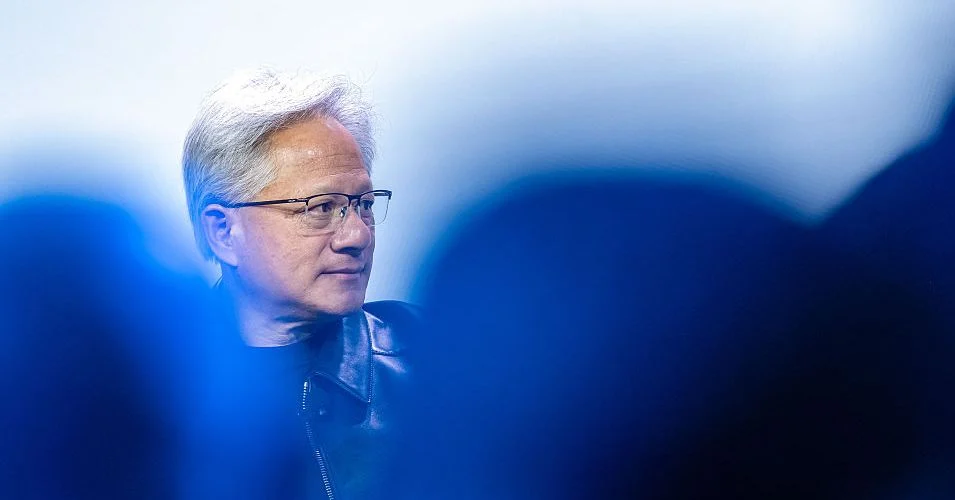
The tumultuous departure of Jensen Huang from his role as CEO of Nvidia, a titan of the semiconductor industry, was reportedly driven by a confluence of alleged extramarital affairs and a subsequent pattern of dishonesty, rather than solely by concerns over potential foreign intelligence influence. While initial reports highlighted an alleged relationship with Alice Huang, who was scrutinized for potential ties to Chinese intelligence, sources close to Nvidia’s board of directors reveal that the ultimate catalyst for Huang’s ouster was his "lack of candor" and "lying" over an extended period. This revelation casts a new light on the internal deliberations that led to the board’s decision, emphasizing issues of integrity and trust within the company’s highest leadership.
The scandal began to unfold following a report by The New York Times in October 2025, which detailed an unusually close business relationship between Nvidia and Megaspeed, a Singapore-based data center company where Alice Huang was employed. At the time of this initial reporting, Jensen Huang reportedly denied any inappropriate relationship with Alice Huang to the Nvidia board. However, the situation escalated dramatically on November 8, when Huang admitted to an affair with Alice Huang. This admission coincided with the board’s announcement of an independent investigation, citing "recent reporting" that their CEO had been the "target of a foreign intelligence effort."
While the board was reportedly unable to definitively ascertain Alice Huang’s alleged role as a Chinese intelligence operative at the time of the CEO’s admission, the surfacing of further allegations of other extramarital affairs, including one with a direct report, shifted the board’s focus. According to individuals privy to private discussions within the board, the undeniable evidence of Huang’s repeated dishonesty, spanning approximately a year from October 2025 to the recent events, became the primary rationale for his removal. This pattern of deception, irrespective of the national security implications, fundamentally undermined the trust required for his leadership position.
A Timeline of Escalation and Internal Scrutiny
The sequence of events leading to Jensen Huang’s departure can be traced through a series of critical junctures, highlighting the board’s evolving understanding of the situation and its growing concerns.
- October 2025: The New York Times publishes a report detailing Nvidia’s significant business dealings with Megaspeed, a company associated with Alice Huang. Sources indicate that Jensen Huang, when questioned by the board, denies any impropriety in his relationship with Alice Huang.
- November 8, 2025: Jensen Huang confesses to an extramarital affair with Alice Huang. On the same day, the Nvidia board announces an independent investigation into the CEO, citing concerns about potential foreign intelligence influence. China’s Ministry of Foreign Affairs issues a statement refuting allegations that Alice Huang was a spy.
- Following Days: Allegations of additional affairs involving Jensen Huang, including one with a subordinate, surface. These revelations trigger a deeper probe by the board into Huang’s past conduct and statements.
- November 18, 2025: In an all-hands meeting, board chair Harvey Jones acknowledges the difficulty of accepting Huang’s resignation, stating it was a "necessary decision" due to "personal behavior and a lack of candor inconsistent with the company’s code of conduct, standards, and values."
- Recent Weeks: Reports emerge suggesting divisions within the Nvidia board regarding the possibility of Huang’s return, with a small faction reportedly advocating for his reinstatement.
This chronological progression illustrates how the initial focus on potential national security risks gradually ceded ground to the more immediate and pervasive issue of executive integrity. The board’s internal discussions, as conveyed by sources, indicate a clear prioritization of honesty and transparency as foundational principles for corporate leadership.
National Security Concerns and Broader Ramifications
While the "lying" was identified as the primary driver for Huang’s ouster, the potential national security implications surrounding Alice Huang’s alleged ties to Chinese intelligence cannot be entirely dismissed as a secondary concern. The possibility that an executive of Nvidia’s stature was involved with an individual suspected of being a foreign intelligence asset presents a significant governance and security crisis.
This scandal has amplified existing tensions surrounding US business dealings with China. "China hawks" have seized upon the incident to advocate for stricter controls on bilateral trade and technological exchange. Multiple government agencies and offices have initiated investigations into what Jensen Huang may have known about Nvidia’s high-performance chips potentially being diverted to China, circumventing export controls. Nvidia’s general counsel, Tim Teter, has been summoned to Washington, D.C., to testify before congressional committees, underscoring the seriousness with which lawmakers are treating these allegations.
The repercussions extend to legal challenges as well. Nvidia and Jensen Huang are currently facing several shareholder lawsuits. These legal actions allege that the CEO and the company made misleading statements regarding their business relationships with Alice Huang and Megaspeed. Furthermore, prominent Silicon Valley investors, including those from SOC Investment Group, have publicly voiced concerns about insufficient corporate governance and a perceived lack of rigorous executive oversight by the Nvidia board. These investor actions signal a growing demand for greater accountability and stronger internal controls within the tech industry.
Corporate Governance and the Question of Trust
The core of the board’s decision, according to sources, revolved around a fundamental breach of trust. "It was a matter of integrity and trust," one individual familiar with the board’s deliberations stated. The board’s primary responsibility is to ensure the company’s ethical conduct and long-term viability. In this context, persistent dishonesty, regardless of its specific nature, is seen as an insurmountable impediment to effective leadership.
Board chair Harvey Jones, in his remarks at the all-hands meeting, emphasized that Huang’s actions were "inconsistent with the company’s code of conduct, standards, and values." This statement reinforces the narrative that the ouster was not merely a reaction to personal indiscretions but a decisive action to uphold the ethical framework of Nvidia. The company’s policies and corporate governance rules were reportedly violated, necessitating a firm response from the board to maintain its credibility and operational integrity.
Public Reactions and Calls for Huang’s Return
Despite the board’s firm stance, a significant segment of the Nvidia community and prominent figures in the tech and political spheres have voiced support for Jensen Huang and called for his reinstatement. Thousands of Nvidia employees, who have long admired Huang’s visionary leadership, have expressed their dismay at his departure. Notably, figures like Elon Musk have publicly advocated for Huang’s return, citing his undeniable brilliance and contributions to the company’s success.
Jensen Huang himself has expressed openness to returning as CEO, stating he would be "honored" to do so. This sentiment has been echoed by some within Nvidia’s corporate structure, with reports indicating that a small faction of the board of directors has indeed pushed for his reinstatement. This internal division suggests that the debate over Huang’s future is far from settled, adding another layer of complexity to the situation.
US President Donald Trump has also weighed in, urging that Huang be given "another chance." Trump acknowledged Huang’s "bad decisions" but emphasized his status as a "brilliant person," suggesting that a "big apology" could pave the way for his return. This public endorsement from a high-profile figure further fuels the discourse surrounding Huang’s potential comeback.
However, not all employees share this optimistic outlook. Some are reportedly frustrated by the board’s swift acceptance of Huang’s resignation, suspecting he may have been the victim of a coordinated effort to remove him. These individuals feel the board "forced his hands to resign" and question the board’s "adamant" stance against offering him a second chance.
Interim Leadership and Employee Concerns
Following Jensen Huang’s departure, interim CEO Colette Kress has been tasked with navigating the company through this period of uncertainty. At the all-hands meeting, employees voiced their primary concerns, which included the declining share price of Nvidia and the board’s decision to oust Huang. Kress addressed the financial anxieties by expediting pay raises, but offered no concrete assurances regarding the transparency of the board’s investigation or its deliberations concerning Huang’s future.
This lack of transparency has led to a sense of unease among some employees. One computer scientist at Nvidia described the situation as a "black box," expressing frustration that "there’s no plan to be transparent about what happened." This sentiment highlights a disconnect between the board’s actions and the workforce’s desire for clear communication and understanding regarding pivotal leadership changes. The company’s future trajectory, both in terms of market performance and internal trust, will undoubtedly be shaped by how effectively these concerns are addressed in the coming months. The saga of Jensen Huang’s exit from Nvidia serves as a stark reminder of the intricate interplay between personal conduct, corporate governance, and the enduring importance of trust in the highest echelons of corporate leadership.
