

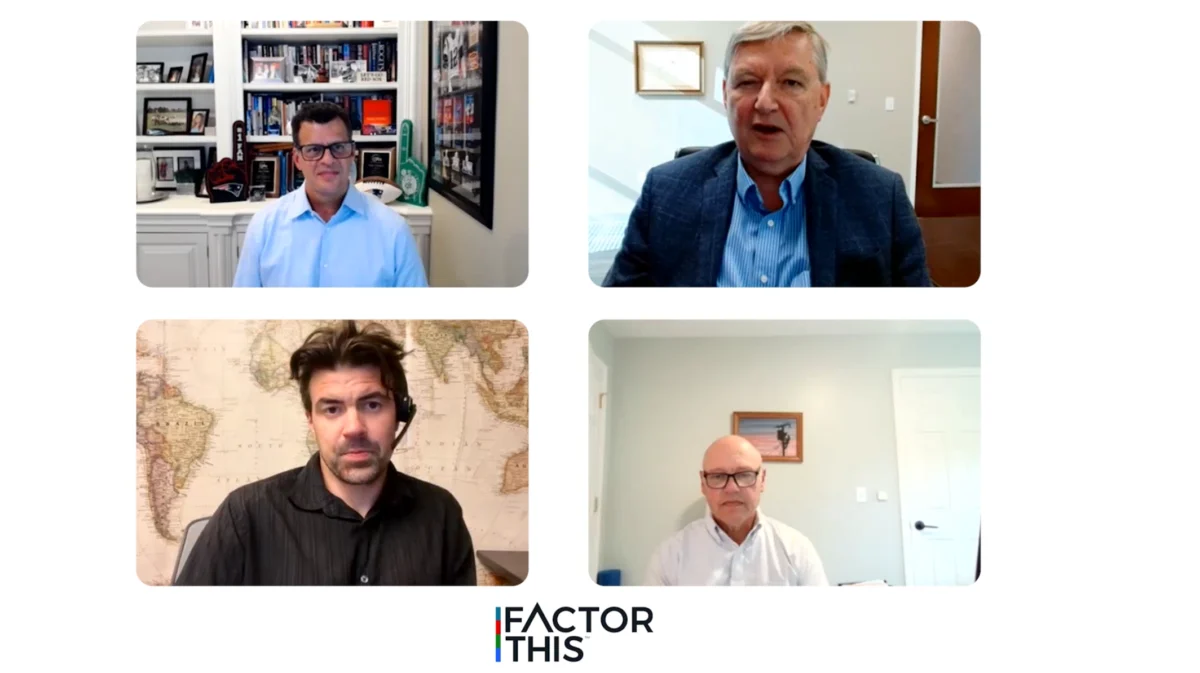
The rapid evolution of the global energy landscape has placed a spotlight on the integration of advanced technologies within utility operations, yet industry veterans argue that the most sophisticated tools are secondary to the human and procedural frameworks required to deploy them effectively. While innovations such as autonomous drones and physical artificial intelligence offer significant potential for enhancing grid reliability, the realization of their true value depends upon a vendor-agnostic strategy that bridges technical, business, and regulatory domains. This philosophy serves as the cornerstone for Dash Power Partners, a specialized consultancy co-founded by Dr. Damir Novosel, a pioneer in power grid reliability, and Chris Root, an executive with more than 45 years of leadership in the utility sector. As the energy industry prepares for the upcoming DTECH Northeast conference in Boston this November, the focus is shifting toward actionable, scalable strategies that address the unprecedented challenges facing the North American power grid.
The Transformation of Traditional Utility Planning Models
For decades, the electric power sector operated under a model of steady, predictable growth characterized by long-term planning horizons. Traditional Integrated Resource Planning (IRP) typically looked 10 to 15 years into the future, a timeframe that allowed for the slow-paced development of centralized generation and transmission infrastructure. However, the rise of energy-intensive industries—most notably data centers driven by the explosion of generative artificial intelligence—has rendered these traditional cycles obsolete.
Dr. Damir Novosel, who also serves as CEO of Dash Power Partners, emphasizes that the industry can no longer afford the luxury of decade-long forecasts when large-scale loads, such as hyperscale data centers, can be constructed and energized in as little as 24 months. This disparity between infrastructure development and load growth creates a significant risk to grid stability. According to data from the Electric Power Research Institute (EPRI), data centers could consume up to 9% of the total electricity generated in the United States by 2030, nearly doubling their current share. This surge necessitates a fundamental shift in how utilities plan, build, and maintain their systems.
The modernization effort requires breaking down long-standing departmental silos. Historically, transmission and distribution planning were treated as separate disciplines. Today, the integration of flexible distributed energy resources (DERs)—including rooftop solar, battery storage, and demand-response programs—demands a unified approach. "If we want to reliably serve customers, we must integrate far more effectively across transmission and distribution," Dr. Novosel noted, highlighting that regulatory frameworks must also evolve to match the speed of the market.
From Seasonal Averages to Dynamic Hourly Modeling
The technical requirements for grid management are undergoing a similar transformation. In the past, transmission planning relied on a limited set of scenarios: summer peak, winter peak, and off-peak periods. This "static" approach was sufficient for a grid powered by consistent baseload sources like coal and nuclear energy. However, the increasing penetration of intermittent renewable energy has forced a move toward high-resolution, short-interval modeling.
Chris Root, whose experience spans nearly half a century of utility leadership, explains that the intermittency of wind and solar requires utilities to run load flow studies on an hour-by-hour basis. A sudden cloud cover over a specific geographic area can cause a localized drop in solar generation that must be instantly compensated for by other resources. This shift from seasonal to hourly (and eventually sub-hourly) planning is essential for maintaining the balance of the grid in an era of decarbonization.
The challenge is not merely technical but economic. Utilities and regulators must balance the urgent need for new infrastructure with the mandate to keep electricity affordable for ratepayers. Traditional regulatory mechanisms often lag behind operational realities, creating friction when utilities attempt to maximize existing grid capacity through new technologies or physical expansions.
Case Study: The Volatility of the New England Energy Landscape
The Northeast, particularly the New England region, serves as a critical case study for these industry-wide shifts. Over the past twenty years, New England has undergone a dramatic transition in its generation profile. The region has seen the decommissioning of five major nuclear plants and the closure of its last remaining coal-fired generation facility. While these moves align with aggressive decarbonization goals, they have left the region heavily dependent on natural gas.
Currently, approximately 60% of New England’s electricity generation relies on natural gas, which is delivered via just four major pipelines. During extreme winter peaks, these pipelines are often constrained as gas is diverted for home heating, leaving power plants to scramble for fuel or rely on expensive, carbon-intensive oil backups. This dependency underscores the fragility of the regional energy system during "black sky" events.
Furthermore, the physical flow of power in New England has been inverted. Foundational assets like pumped storage hydro facilities, which were originally designed to absorb excess nuclear power at night and discharge it during the day, are now frequently operating in reverse. These facilities now pump during the day to absorb surplus solar generation and discharge at night when renewable output vanishes. This paradigm shift illustrates how existing infrastructure must be repurposed to support a modern, decentralized grid.
Redefining Reliability and Resilience in the Face of Climate Change
A key theme of the upcoming DTECH Northeast workshop is the distinction between reliability and resilience. While the terms are frequently used interchangeably, industry experts argue they represent different operational objectives.
Reliability is typically measured by "blue sky" metrics, focusing on the frequency and duration of outages during normal operating conditions. Resilience, however, refers to the grid’s ability to withstand and recover from "gray and black sky" conditions—high-impact, low-probability events such as severe hurricanes, ice storms, or physical security threats.
Dr. Novosel argues that as extreme weather events become more frequent, the industry must develop specific metrics for resilience. "Our regulatory constructs and investments need to adapt," he stated. "We need metrics tailored to resiliency… that shouldn’t stop us from establishing clear frameworks to strengthen the grid." Comprehensive resilience requires a multi-layered strategy that includes hardening physical infrastructure, enhancing cybersecurity, and leveraging data to make real-time decisions during emergencies.
The Intersection of Artificial Intelligence and Human Expertise
As utilities deploy smart meters and IoT sensors across their networks, they are being inundated with data. Modern Advanced Metering Infrastructure (AMI) provides 15-minute interval data from millions of customers, offering a granular view of grid performance that was previously impossible. The challenge lies in transforming this "raw data" into "actionable intelligence."
Artificial Intelligence and machine learning are being deployed to pinpoint localized grid issues, predict equipment failures, and optimize the dispatch of DERs. However, Dash Power Partners maintains that AI should be viewed as an enhancement to, rather than a replacement for, human judgment. Chris Root compares the current AI revolution to the introduction of electronic spreadsheets in the 1980s. While Excel transformed accounting by automating calculations, it did not eliminate the need for accountants; rather, it allowed them to focus on higher-value analysis.
"Knowledge will be the key to leveraging AI effectively," Dr. Novosel said. "We’ll have sensors and automation everywhere, but experienced human judgment is essential to interpret that data accurately." The future of the grid will depend on a workforce of engineers, system operators, and field technicians who can navigate the complexities of a bidirectional, data-driven energy system.
Collaborative Strategy and the DTECH Northeast Workshop
The complexities of grid modernization are too vast for any single organization to solve in isolation. This realization has driven the demand for cross-industry dialogue and collaborative platforms. Wayne Bishop, Executive Vice President of Energy at Clarion Events, notes that DTECH Northeast was specifically designed to facilitate these high-level exchanges among utilities, ISOs, developers, and technology providers.
The "Strategic Alignment & Scalable Energy Solutions" workshop, led by Dr. Novosel and Chris Root, aims to move beyond high-level theory to provide utility leaders with a roadmap for implementation. The workshop will focus on regional dynamics, regulatory alignment, and the practical application of emerging technologies.
As the energy sector moves toward a future defined by electrification and decarbonization, the stakes for grid modernization have never been higher. The transition requires not just new wires and software, but a fundamental reimagining of the processes that keep the lights on. "We’re managing a system in ways it was never originally designed to run," Root observed. For the engineers and executives tasked with this transformation, the current challenges represent both an unprecedented operational hurdle and a unique opportunity to build a more resilient and sustainable energy future.
The DTECH Northeast event, scheduled for this November in Boston, will serve as a pivotal gathering for those dedicated to solving these complex problems, ensuring that the Northeast remains at the forefront of the global energy transition.
