

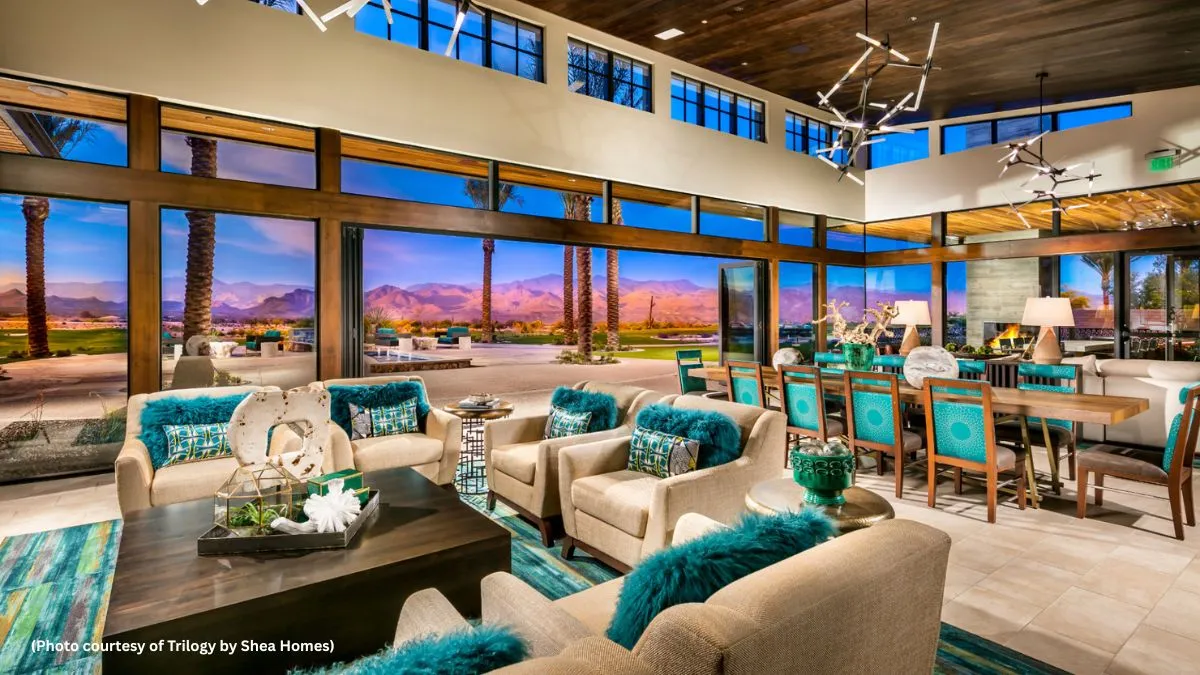
The modern active adult homebuilding sector is undergoing a fundamental transformation as developers shift their focus from traditional brick-and-mortar sales to immersive, lifestyle-driven marketing strategies. In an era where high interest rates and economic volatility have tempered the broader real estate market, the 55-plus demographic remains a critical engine of growth, characterized by significant home equity and a desire for community-centric living. However, the challenge for builders is no longer just providing a roof and four walls; it is proving that their community offers a specific, aspirational quality of life that justifies a major late-life move. To meet this challenge, industry leaders like Amblebrook in Gettysburg and Trilogy by Shea Homes are rewriting the sales playbook, utilizing resident ambassadors, seasonal experiential events, and psychological profiling to convert hesitant prospects into long-term residents.
The Evolution of the Active Adult Market: From Retirement to Rejuvenation
For decades, the "senior living" or "retirement" community model was built on the premise of slowing down. Today, that model is being dismantled by a new generation of buyers—late-stage Baby Boomers and early Gen Xers—who view their 50s and 60s as a period of peak activity rather than a quiet exit from the workforce. According to data from the National Association of Home Builders (NAHB), the 55-plus housing market index consistently reflects a demand for "active" amenities over traditional care-based facilities.
This demographic shift has forced builders to recognize that the home itself is often secondary to the social fabric of the neighborhood. Research into buyer psychology suggests that while younger families prioritize school districts and square footage, active adults prioritize "connection" and "optionality." The decision to move is frequently a choice of "want" rather than "need," meaning builders must compete not just against other developments, but against the prospect’s current home, which is often owned outright. To break this inertia, developers are moving away from high-pressure sales tactics in favor of "organic" experiences where prospective buyers can "test drive" their future lives.
The Amblebrook Model: Immersive Experiences and the Days of Joy
In Gettysburg, Pennsylvania, the age-restricted community of Amblebrook has emerged as a case study in experiential marketing. Developed by Crown Community Development, Amblebrook’s strategy is built on the philosophy that a community must be "seen in action" to be understood. This led to the creation of the "Days of Joy" event series, a seasonal program designed to dissolve the barrier between the sales team and the prospective buyer.
The "Days of Joy" series, which occurs three to four times annually, serves as a high-interest gateway for those on the community’s mailing list. These events are not typical open houses; they are full-scale community festivals. A recent event featured an artisan festival on the community’s "great lawn," where local Gettysburg vendors and resident-owned small businesses set up booths. Other iterations have included "grill and chill" block parties, live music performances, and football watch parties.
The chronological journey of an Amblebrook prospect often begins with digital engagement, but the "Days of Joy" events serve as the critical middle-funnel conversion point. By bringing residents, prospects, and local vendors together, the developer creates a low-stakes environment where organic interactions occur. Prospective buyers hear unfiltered testimonials from current residents over a meal or a game of bocce, which carries more weight than any glossy brochure.
Leveraging Resident Ambassadors and the Welcome Center Hub
Central to Amblebrook’s success is the formalization of "word-of-mouth" marketing through its Resident Ambassador program. These are current homeowners who volunteer to share their experiences with visitors. They are not paid sales staff, but rather enthusiasts who are trained to help newcomers navigate the community’s social landscape. In exchange, they receive rewards and the social satisfaction of building their own neighborhood.
This peer-to-peer interaction is anchored by the community’s 7,000-square-foot welcome center. Unlike traditional sales offices that feel clinical or transactional, Amblebrook’s center is designed as a social hub, featuring a café, a market, and various meeting spaces for clubs. This ensures that when a prospect walks in, they are immediately greeted by the sight of residents living their daily lives—drinking coffee, attending a gardening club, or planning a day trip to nearby historic Gettysburg. This "show, don’t tell" approach allows the buyer to visualize themselves in the space, a psychological necessity for a demographic that often takes over a year to finalize a purchase decision.
Trilogy by Shea Homes: The Gen X Pivot and the Psychology of "Younger Self"
While Amblebrook focuses on the physical experience of community, Trilogy by Shea Homes is diving deep into the psychological profile of the emerging Gen X buyer. Jeff McQueen, President of Trilogy, notes that the marketing of 55-plus communities often suffers from a "canned, formulaic" stereotype that repels younger prospects. Gen Xers, born between 1965 and 1980, often do not identify with the term "senior" and many continue to work full-time or run businesses.

Trilogy’s "Life Unscripted" campaign is a direct response to this. The brand recognizes a key psychological truth: most people perceive themselves as 10 to 15 years younger than their chronological age. Consequently, marketing materials that feature people in their late 70s fail to resonate with a 55-year-old executive looking for a base camp for their next adventure. Trilogy’s communities are designed to reflect this "younger" energy, emphasizing wellness, longevity-focused dining, and high-tech connectivity.
The Importance of Optionality and Geographic Integration
A cornerstone of the Trilogy strategy is "optionality." McQueen emphasizes that the modern buyer is wary of "forced fun." While traditional retirement communities might have a rigid schedule of bingo and bridge, Trilogy positions its amenities as a menu of choices that residents can access at their leisure. This "unscripted" lifestyle is particularly appealing to Gen Xers who value autonomy and individual curation.
Furthermore, Trilogy differentiates its communities by leaning into the local geography. Rather than a "cookie-cutter" amenity package, the developments are tailored to their surroundings. If a community is adjacent to a vineyard, the amenities might include a wine-pressing club or a farm-to-table restaurant. If it is near a forest, the focus shifts to trail systems and outdoor fitness. This geographic integration makes the community feel like an organic extension of the region rather than a gated island, a factor that is increasingly important to buyers who want to remain connected to the broader world.
Supporting Data: Why the 55-Plus Segment is Resilient
The focus on sophisticated marketing is supported by hard economic data. According to a report by the Federal Reserve, Americans aged 55 and older hold nearly 70% of the nation’s wealth. While younger first-time buyers are struggling with a "lock-in" effect—where they are trapped in low-interest mortgages and cannot afford to upgrade—many active adults are cash buyers or have enough equity to downsize without needing a significant mortgage.
However, this financial independence also makes them more discerning. They are not moving because they have to; they are moving because they want a better lifestyle. This "discretionary" nature of the purchase means that the sales cycle is significantly longer. Industry data suggests that the lead-to-close time for an active adult buyer can range from 12 to 24 months. During this period, consistent engagement through events like "Stay and Play" programs—where prospects live in the community for several days—is essential to maintaining momentum.
Broader Impact and Implications for Urban Planning
The success of these lifestyle-first strategies has broader implications for the future of residential development. We are seeing a move toward "ageless" design, where the features of active adult communities—walkability, wellness centers, and social hubs—are being integrated into all-ages master-planned communities.
The emphasis on "stay and play" and "resident ambassadors" also highlights a shift in the role of the homebuilder. Companies are no longer just construction firms; they are becoming lifestyle curators and hospitality providers. This requires a different set of skills, focusing on event management, food and beverage operations, and community programming.
Conclusion: The Path Forward for Active Adult Builders
As the "Silver Tsunami" continues to reshape the American landscape—with roughly 10,000 people turning 65 every day—the competition among builders will only intensify. The examples of Amblebrook and Trilogy demonstrate that the winners in this space will be those who master the art of the "soft sell."
By creating environments where prospects can experience the social fabric of a community before signing a contract, builders are reducing the perceived risk of a major life transition. Whether it is through an artisan festival in Gettysburg or a "life unscripted" wellness program in a Trilogy community, the goal remains the same: to show the buyer that their next chapter can be their most vibrant one. In the modern real estate market, the most valuable commodity a builder can sell is not the house itself, but the promise of a life well-lived.
