

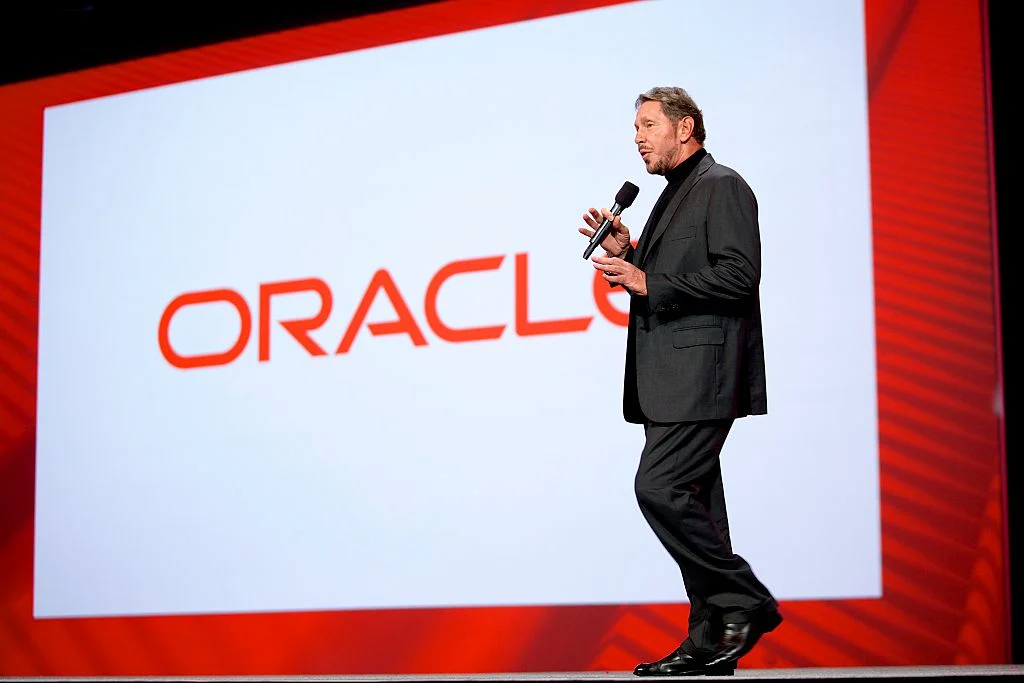
Larry Ellison, the co-founder and executive chairman of Oracle Corporation, has officially canceled a previously announced plan to sell a significant portion of his Oracle stock, an event that sent ripples through the financial markets and prompted speculation regarding the tech giant’s immediate future and Ellison’s long-term commitment. The announcement, made by Oracle on a recent Saturday, clarified that no shares were sold under the intended plan, and Ellison currently harbors no other intentions to divest any of his Oracle holdings. This reversal comes at a pivotal time for Oracle, as the company navigates a challenging market, invests heavily in its cloud infrastructure, and manages complex partnerships and acquisitions.
The Initial Plan and Its Market Context
The initial disclosure, made through a regulatory filing, revealed Ellison’s intention to sell approximately 50 million shares of Oracle stock. At the prevailing market valuation, this sale would have amounted to an estimated $7.5 billion, representing a substantial transaction for any individual investor, even one of Ellison’s considerable wealth. Such large-scale sales by a company’s founder and executive chairman typically attract significant attention from investors and market analysts alike, often interpreted as a signal regarding the executive’s outlook on the company’s future performance, personal financial planning, or a need for liquidity for other ventures. For executives, reasons for selling stock can range from portfolio diversification, estate planning, charitable donations, or funding new business endeavors. The sheer magnitude of Ellison’s planned sale naturally led to considerable discussion within financial circles.
The planned sale was initially reported amidst a backdrop of fluctuating market conditions, particularly within the technology sector. Oracle’s stock, trading under the ticker ORCL, has experienced a challenging year to date, registering a decline of approximately 22% since the beginning of the year. This performance has been influenced by broader macroeconomic factors, including rising interest rates, inflationary pressures, and a general cooling of investor enthusiasm for growth stocks following several years of aggressive expansion. Against this backdrop, a founder’s decision to offload a substantial block of shares could be perceived as either prudent financial management or, more negatively, a lack of confidence in the company’s immediate growth prospects, potentially exacerbating downward pressure on the stock price.
The Cancellation and Oracle’s Official Stance
The recent announcement from Oracle unequivocally stated, "No Oracle stock was sold under that plan, and he has no other plans to sell any of his Oracle stock." This definitive statement aims to put an end to any lingering speculation about Ellison’s intent to sell in the near future. Notably, the company did not provide a specific reason for the change in plans. This omission, while not uncommon, leaves room for market interpretation.
One immediate implication of the cancellation is the removal of a potential overhang on Oracle’s stock. Had Ellison proceeded with the sale, the market would have absorbed a large volume of shares, potentially leading to further price depreciation due especially to the perception of a major insider exiting. By retracting the plan, Ellison might be signaling renewed confidence in Oracle’s valuation and future trajectory, or perhaps a strategic decision to avoid contributing to any further market instability for the company he co-founded. Analysts quickly weighed in, with many suggesting the move could be interpreted positively, demonstrating Ellison’s continued belief in the long-term value of Oracle, despite current market headwinds.
Oracle’s Strategic Investments and Current Performance
The decision to cancel the stock sale comes as Oracle is deeply entrenched in several ambitious and capital-intensive strategic initiatives designed to reposition the company for future growth, particularly in the competitive cloud computing landscape. The company has been "spending heavily on data centers," a critical investment in its Oracle Cloud Infrastructure (OCI).
Oracle was a relatively late entrant into the hyperscale public cloud market, which is dominated by Amazon Web Services (AWS), Microsoft Azure, and Google Cloud Platform (GCP). However, under Ellison’s leadership, Oracle has committed significant resources to rapidly expand its global network of data centers. This aggressive build-out is crucial for OCI to offer the robust, scalable, and geographically diverse services required to attract and retain large enterprise customers. The strategy focuses on delivering high-performance computing, specialized databases (like its autonomous database), and AI-ready infrastructure, often targeting workloads that are traditionally difficult to migrate or require specific compliance standards. The substantial capital expenditure required for this expansion naturally impacts short-term profitability but is deemed essential for long-term competitiveness and market share gains in the lucrative cloud sector. Recent earnings calls have frequently highlighted the substantial investments in OCI, often citing strong demand, particularly for AI-related compute capacity, as a key driver for this expansion.
Beyond its core cloud strategy, Oracle has also secured a high-profile and politically sensitive partnership, becoming "one of the major owners and security partners for TikTok’s U.S. operations." This deal, finalized amidst intense scrutiny from the U.S. government over data security concerns related to the popular social media platform’s Chinese parent company, ByteDance, positions Oracle as a critical guardian of American user data. Oracle’s role involves hosting all of TikTok’s U.S. user data on its OCI infrastructure, providing code inspection, and ensuring compliance with U.S. national security requirements. This partnership not only represents a significant revenue stream but also elevates Oracle’s profile as a trusted provider of secure and compliant cloud services, a critical differentiator in an era of increasing cybersecurity threats and geopolitical tensions. The implications for Oracle are multifaceted: it validates OCI’s security capabilities, offers a substantial enterprise client, and demonstrates the company’s ability to navigate complex regulatory and political landscapes.
Larry Ellison’s Broader Financial Engagements
Larry Ellison’s financial endeavors extend beyond Oracle, illustrating the diverse interests and significant capital commitments of one of the world’s wealthiest individuals. One prominent example is his backing of his son David Ellison’s acquisition efforts. David Ellison, through his production company Skydance Media, has been pursuing a complex and high-stakes acquisition of Warner Bros. Discovery. Larry Ellison has reportedly committed up to $40 billion to support this ambitious endeavor, an amount that underscores his immense wealth and willingness to invest in large-scale ventures outside of his primary tech focus.
The acquisition of Warner Bros. Discovery, a media conglomerate encompassing film studios, television networks, and streaming services, is currently "contested in court." The proposed deal involves intricate financial arrangements and significant corporate restructuring, leading to legal challenges from various stakeholders, including minority shareholders and bondholders, who are scrutinizing the terms and potential implications for the company’s value and governance. Larry Ellison’s involvement as a major financial backer highlights not only his support for his son’s entrepreneurial ambitions but also the potential liquidity demands that such commitments can place on an individual’s portfolio. The ongoing legal battles and the sheer scale of the proposed media acquisition add another layer of complexity to understanding Ellison’s financial decisions and the strategic allocation of his vast personal wealth. The cancellation of his Oracle stock sale could, in one interpretation, be seen as a re-evaluation of his liquidity needs or a strategic decision to consolidate his assets more firmly within Oracle, especially if the Warner Bros. deal’s financing structure or timeline has shifted.
Analyst and Investor Perspectives
Market analysts and investors often scrutinize executive stock transactions for insights into a company’s health and future direction. The initial plan for Larry Ellison to sell 50 million shares was likely met with a degree of caution, given the scale and the prevailing market conditions. Such a large sale by a founder could have been interpreted in several ways:
- Diversification: A natural step for an individual with a highly concentrated portfolio to manage risk.
- Liquidity for other ventures: To fund personal projects, philanthropic efforts, or other business investments like the Warner Bros. deal.
- Lack of confidence: A more pessimistic view, suggesting the executive believes the stock is near its peak or faces significant headwinds.
The subsequent cancellation, however, is generally viewed more favorably. Financial commentators have suggested that Ellison’s decision could be a powerful signal of confidence in Oracle’s long-term strategy, particularly its aggressive push into cloud infrastructure and AI. By not selling, Ellison arguably reinforces his belief that Oracle’s current stock price does not fully reflect its intrinsic value or future growth potential. This move also removes a potential source of downward pressure on the stock, which might have otherwise struggled to absorb such a large block of shares. For investors, the cancellation could alleviate concerns about insider selling, potentially fostering a more positive sentiment towards Oracle’s stock and its strategic direction. It demonstrates a commitment to the company’s future, aligning his personal wealth more closely with the success of Oracle’s ongoing transformations.
Conclusion and Future Outlook
Larry Ellison’s decision to cancel his planned Oracle stock sale is a significant development, underscoring the complexities of executive financial planning and its market implications. While the specific reasons remain undisclosed, the move is widely interpreted as a reaffirmation of his commitment to Oracle’s future, particularly as the company navigates substantial investments in its cloud infrastructure and strategically important partnerships like the TikTok deal.
Oracle’s journey ahead involves continuing to scale OCI, competing effectively with established cloud giants, and leveraging its unique position in enterprise software and database technologies. The company’s performance will be closely watched, especially its ability to translate heavy data center spending into sustained revenue and profit growth. Ellison’s continued presence as a major shareholder and executive chairman, now reinforced by the cancellation of his stock sale, suggests a strong belief in Oracle’s capacity to deliver on its strategic vision and enhance shareholder value in the coming years. The interplay of Oracle’s corporate strategy, market dynamics, and Ellison’s personal financial decisions will continue to be a focal point for investors and industry observers alike.
