

California Governor Gavin Newsom has signed a strategic slate of legislative measures designed to dismantle the regulatory barriers that have historically stymied large-scale residential developments across the state. By targeting the California Environmental Quality Act (CEQA), a 1970s-era statute frequently utilized by project opponents to delay or derail construction, the new laws represent a significant shift in the state’s approach to the ongoing housing crisis. Among the most notable actions is the signing of Senate Bills 344 and 958, which specifically aim to protect a multi-billion-dollar redevelopment in San Diego and fundamentally alter how building height is treated under environmental law statewide.
The legislative package comes at a critical juncture for California, which continues to grapple with some of the highest housing costs and lowest per-capita construction rates in the United States. For decades, CEQA has been the primary tool for community groups and environmental advocates to challenge developments, citing concerns ranging from traffic congestion to impacts on local wildlife. However, proponents of housing reform argue that the law has been weaponized by "Not In My Backyard" (NIMBY) interests to prevent the density required to meet the state’s ambitious housing goals.
The Catalyst for Change: The Midway Rising Project
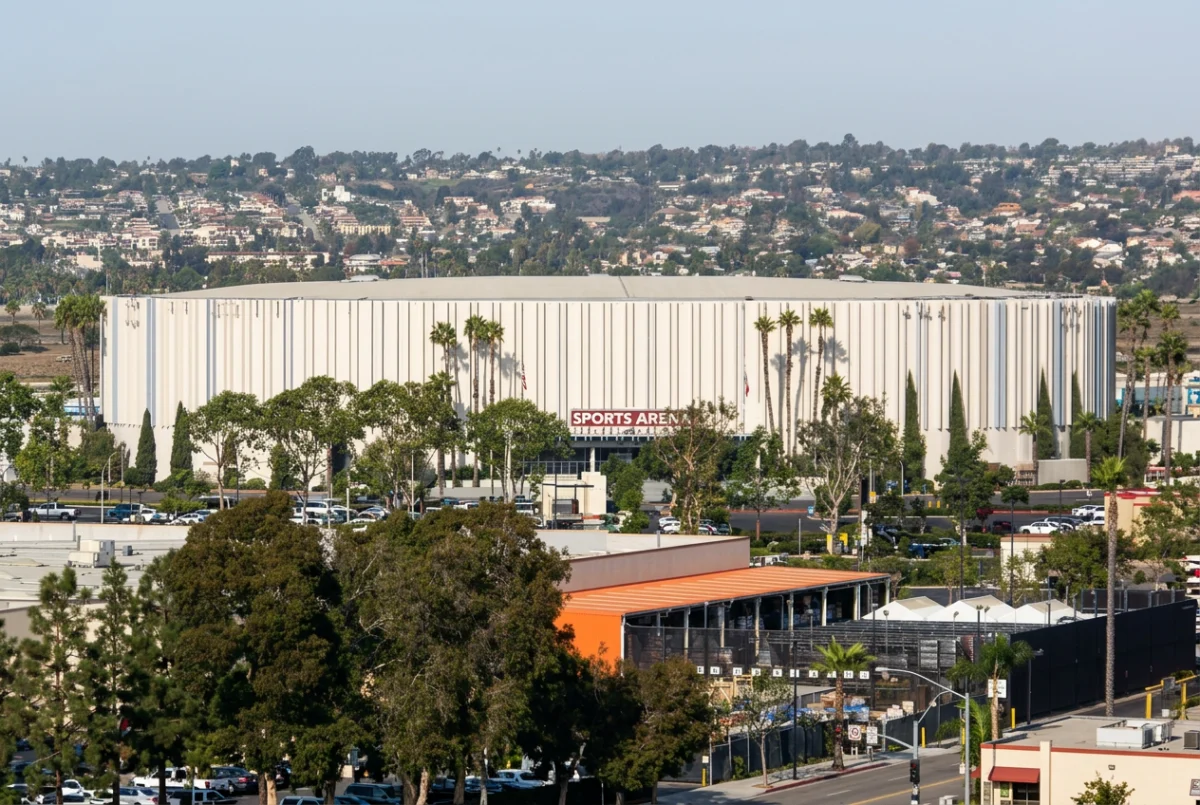
At the heart of this legislative push is Midway Rising, a massive $3.9 billion redevelopment project situated on the 49.2-acre site of the San Diego Sports Arena. The project is envisioned as a transformative urban hub, slated to deliver more than 4,000 new residential units. Crucially, 2,000 of these units are designated as deed-restricted affordable housing, making it one of the largest affordable housing initiatives in the city’s history. The plan also includes a modern world-class arena and extensive park space.
Despite its potential benefits, Midway Rising has been mired in legal challenges for years. Opponents, led by the nonprofit group Save Our Access, have filed multiple lawsuits targeting the project’s environmental impact reports and the city’s efforts to lift building height limits in the Midway District. These legal hurdles reached a peak when appellate and Supreme Court rulings reinstated a 30-foot height cap, threatening the financial viability and density of the proposed development.
In response, Senate Bill 344, authored by Senator Akilah Weber Pierson and sponsored by San Diego Mayor Todd Gloria, creates a unique legal shield for the Midway Rising project. The bill stipulates that once the City of San Diego certifies the project’s environmental review, further CEQA challenges will be prohibited. This "fast-track" mechanism is the first of its kind for a specific municipal project, signaling the state’s willingness to intervene when local litigation threatens high-priority housing goals.
Redefining Environmental Impact: Senate Bill 958
While SB 344 is project-specific, Senate Bill 958 carries statewide implications that could alter the landscape of urban development across California. Historically, litigants have argued that increased building height constitutes a significant environmental impact under CEQA, often citing the obstruction of views, changes in airflow, or the "looming" effect of taller structures on surrounding neighborhoods.
SB 958 effectively closes this avenue of litigation for qualifying infill projects. Under the new law, building height can no longer be used as a determining factor for environmental impact in projects that meet specific density and location criteria. This change targets a common tactic used to force developers to reduce the scale of their projects, which often results in fewer housing units and higher per-unit costs. By decoupling height from environmental degradation, the state is encouraging "verticality" in urban centers, which is seen as essential for reducing suburban sprawl and meeting climate goals.
A Chronology of Conflict: The Legal Battle Over the Midway District
The path to these legislative interventions was paved by a series of contentious legal and political battles in San Diego. The timeline below highlights the key events that led to the current state of affairs:
- September 2022: The San Diego City Council selects the Midway Rising development team to lead the Sports Arena redevelopment.
- November 2022: San Diego voters approve a ballot measure to lift the 30-foot height limit in the Midway District for the second time, after a previous measure was challenged in court.
- 2023: Billionaire Stan Kroenke, owner of the Los Angeles Rams and Denver Nuggets, joins the project as the primary financial backer, providing the capital necessary for the $3.9 billion undertaking.
- October 2025: An appellate court invalidates the second ballot measure, ruling that the city failed to adequately study the environmental impacts of taller buildings, specifically regarding traffic and coastal access.
- December 2025: The California Supreme Court declines to hear the city’s appeal, effectively reinstating the 30-foot height cap and placing the Midway Rising project in jeopardy.
- September 2026: Governor Newsom signs SB 344 and SB 958, overriding the legal roadblocks and providing a legislative path forward for the redevelopment.
Expanding the Housing Toolkit: SB 1116 and AB 1815
Beyond the San Diego-focused measures, the Governor’s housing package includes several other bills aimed at diversifying the state’s housing stock and streamlining construction.
Senate Bill 1116 is a cornerstone of the package, focusing on "starter homes." The bill expands existing rules by removing the previous five-acre cap on qualifying projects. It also curtails the ability of local jurisdictions to impose standards that artificially reduce housing yield. This is intended to encourage the construction of smaller, more affordable single-family homes or townhomes on larger plots of land that were previously restricted by density caps.
Assembly Bill 1815 addresses the burgeoning industry of factory-built housing. As traditional construction costs soar, modular and factory-built homes have emerged as a cost-effective alternative. However, varying local building codes have often prevented these homes from being deployed at scale. AB 1815 prohibits cities from imposing building standards on factory-built housing that exceed state codes, ensuring a uniform regulatory environment that allows manufacturers to mass-produce units more efficiently.
Furthermore, Assembly Bill 1294 introduces a pilot property-tax incentive program for apartment rentals targeting low- and moderate-income tenants in Alameda County, Sacramento County, and San Francisco. This program is designed to bridge the gap for developers who find it difficult to make affordable projects "pencil out" in high-cost urban markets.
Regional Impacts: The Concord Naval Weapons Station
The legislative package also looks toward Northern California, specifically the redevelopment of the former Concord Naval Weapons Station in Contra Costa County. Senate Bill 328 accelerates the environmental review process for this massive site, where at least 10,000 homes are planned. Like Midway Rising, the Concord project represents a rare opportunity to build a new community from the ground up on public land, and the state is moving to ensure that CEQA litigation does not stall progress on what could be one of the largest housing developments in Northern California’s history.
Economic and Political Stakes
The involvement of high-profile figures like Stan Kroenke underscores the economic magnitude of these housing initiatives. Kroenke, who recently expanded his sports empire by purchasing the Los Angeles Angels, brings significant financial muscle to the Midway Rising project. For the state, securing private investment of this scale is vital, as public funds alone cannot address the housing deficit.
Politically, the signing of these bills reflects a hardening stance by the Newsom administration against local obstructionism. Mayor Todd Gloria, a vocal proponent of the legislation, framed the move as a victory for San Diegans who have waited decades for the Midway District’s revitalization. "We now have greater certainty to move this long-awaited vision forward," Gloria stated, emphasizing the delivery of 2,000 affordable homes.
However, the opposition remains undeterred. Everett DeLano, the attorney for Save Our Access, expressed frustration with what he termed "fast-track" legislation. Critics argue that bypassing CEQA sets a dangerous precedent that could lead to environmental degradation and increased urban congestion. Residents of Point Loma and other surrounding areas continue to voice concerns that the environmental reports for Midway Rising are deficient, particularly regarding the impact of 4,000 new households on already-strained traffic corridors.
Implications and Future Outlook
The broader implication of this legislative package is a fundamental recalibration of power between state and local authorities in California. By selectively "blunting" CEQA, the state is asserting that the need for housing production outweighs the procedural delays inherent in the environmental review process.
The success of these measures will be closely watched by developers and activists alike. If SB 344 successfully shields Midway Rising from further litigation, it may serve as a template for other high-density, high-priority projects across the state. Similarly, the implementation of SB 958 will likely lead to a surge in proposals for taller infill developments, as the legal risk associated with building height is significantly reduced.
As the City of San Diego prepares for the next public forum on October 8 to discuss the ground lease terms for Midway Rising, the project stands as a litmus test for California’s new housing strategy. The state has cleared the legislative path; the challenge now lies in the execution of these massive developments and the management of the urban infrastructure required to support them. For a state that has long struggled to build, these new laws represent a decisive, if controversial, attempt to turn the tide of the housing crisis.
