

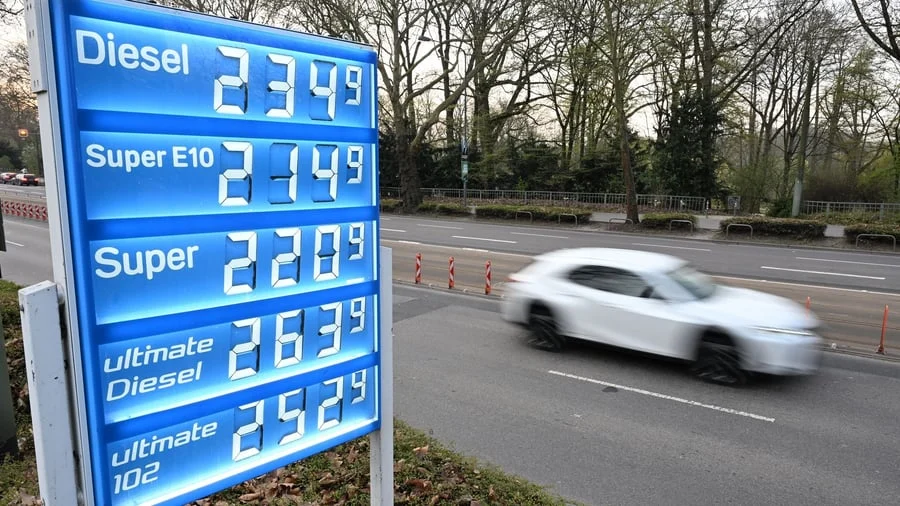
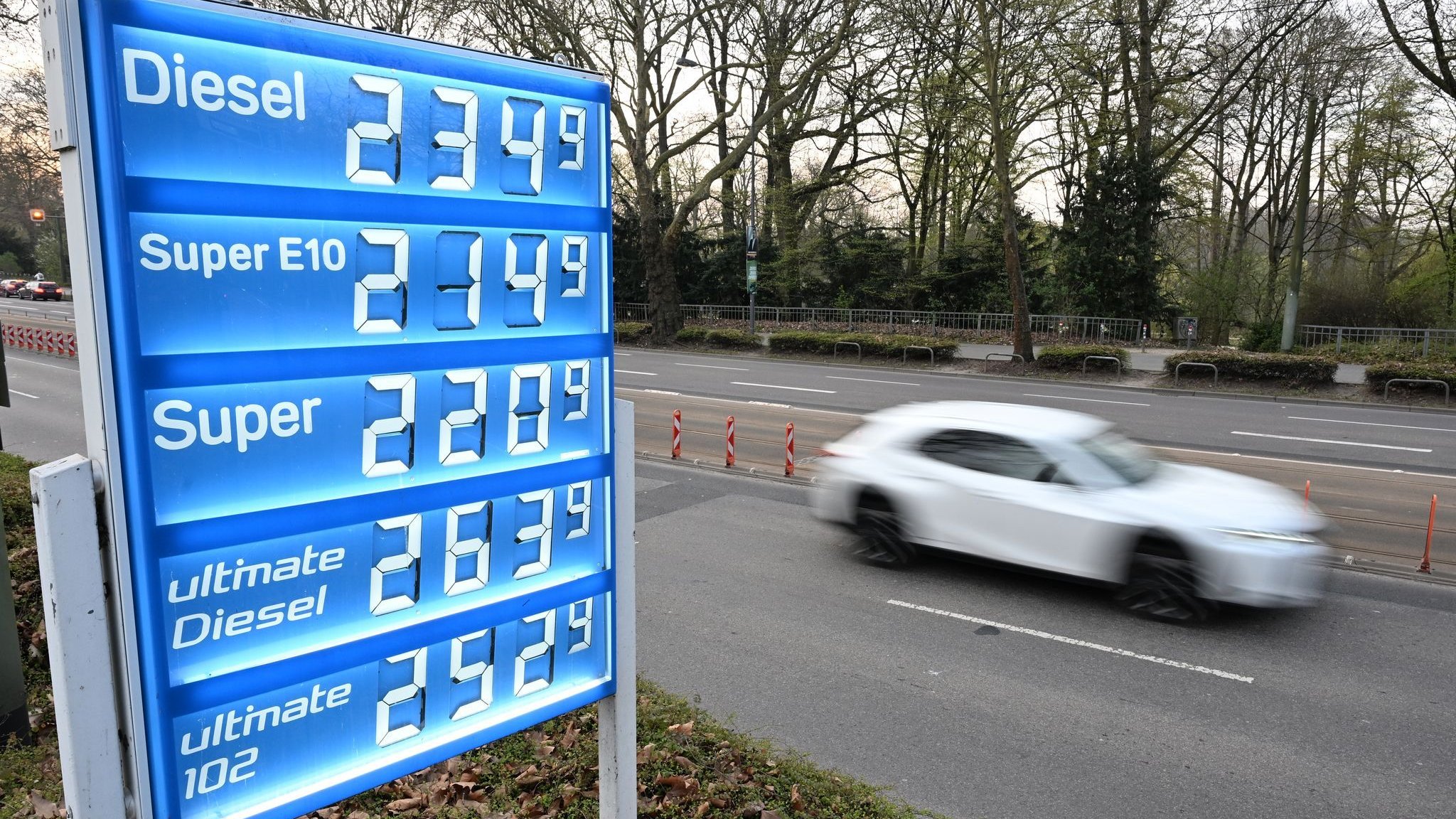
Berlin – Germany’s planned fuel price cap is poised to significantly influence pump prices across the nation starting January 1st, according to calculations by Handelsblatt based on a draft bill from the Ministry for Economic Affairs, headed by Katherina Reiche (CDU). The draft, currently undergoing intergovernmental review, suggests that the price cap mechanism could trigger lower prices multiple times a day, potentially making gasoline and diesel cheaper for 11% to 14% of the time compared to a scenario without state intervention. These savings are estimated to average between five and 7.5 cents per liter.
The introduction of a fuel price cap has been a subject of intense debate within the German federal government for weeks. The initial agreement to implement this measure was made in September by federal and state officials, a response to the soaring fuel costs exacerbated by the conflict in Ukraine. The intention was to provide immediate relief to consumers grappling with elevated energy prices.
The Road to the Price Cap: A Contentious Journey
The path to the current draft legislation has been marked by significant political negotiation. In early November, Minister Reiche presented an initial draft bill. However, this version proposed to merely evaluate the necessity of a price cap starting in January, rather than immediately implementing it. This approach sparked considerable backlash from the Social Democratic Party (SPD), a key coalition partner, who viewed it as a dilution of the agreed-upon measure.
The pivotal moment came during a coalition committee meeting on Tuesday of this week. Leaders from the Christian Democratic Union (CDU), Christian Social Union (CSU), and SPD reached a consensus that the price cap would be "activated" on January 1st. Following this agreement, Minister Reiche initiated the drafting of the revised legislation. However, this new draft incorporates additional stipulations aimed at preventing potential fuel supply shortages, a concern voiced by the minister regarding an overly rigid price cap.
Mechanics of the Price Cap: Ensuring Regular Intervention
The revised draft legislation introduces a formula for calculating the maximum fuel price that aims for regular, rather than exceptional, intervention. The Ministry for Economic Affairs intends to incorporate wholesale fuel prices into this calculation. Crucially, these wholesale prices will be benchmarked against the most expensive region in Germany. This approach ensures that the cap is set at a level that reflects higher regional costs, thereby providing a more consistent downward pressure on prices nationwide.

Furthermore, the formula includes a margin for gas stations. This margin is designed to be set at a level where only approximately ten percent of gas stations would have seen higher margins without the price cap. This ensures that the cap is not so restrictive as to cripple the profitability of a significant portion of fuel retailers, while still aiming for substantial consumer savings.
Data-Driven Projections: Quantifying the Impact
To estimate the potential impact of this new model, historical data will be utilized. By applying the planned formula to recent past fuel price data, analysts can project how the price cap would have influenced prices in the recent past. The calculations conducted by Handelsblatt indicate that the cap, under the proposed structure, would have been active in approximately 11% to 14% of instances, leading to an average price reduction of five to 7.5 cents per liter for both gasoline and diesel.
These figures underscore a significant shift from Reiche’s initial proposal. Her earlier draft suggested that the price cap would only be triggered if fuel prices in Germany deviated significantly from those in the rest of Europe. Projections based on that earlier model indicated that such a condition might have rarely, if ever, resulted in the cap being activated in previous years. The new mechanism, therefore, represents a substantial strengthening of the intervention, moving it from a potential emergency measure to a more routine price stabilizer.

Exclusion of Autobahn Gas Stations: A Strategic Decision
A notable exclusion from the price cap mechanism in the current draft concerns gas stations located on German autobahns. The rationale provided for this exclusion is that these stations, which are often considerably more expensive than their counterparts in urban or rural areas, could artificially inflate the benchmark price. By excluding them from the calculation, the ministry aims to prevent these higher prices from undermining the effectiveness of the cap for the majority of consumers.
The potential impact on these autobahn stations, if they were included, would be substantial. Historical data suggests that prices at these locations have exceeded the proposed cap level approximately 85% of the time, with an average difference of around 37 cents per liter. Their exclusion ensures that the price cap’s intended benefits are primarily realized at the more commonly used service stations.
Broader Economic Context and Implications
The introduction of the fuel price cap is part of a wider government strategy to mitigate the impact of high energy costs on households and businesses. The ongoing conflict in Ukraine has disrupted global energy markets, leading to price volatility and contributing to inflation across the Eurozone. Governments across Europe have been exploring various measures, from direct subsidies to tax adjustments, to cushion the economic blow.

The German government’s decision to implement a price cap reflects a balancing act between providing immediate relief to consumers and ensuring the stability of the energy supply chain. The concerns raised by Minister Reiche about potential supply shortages highlight the complexities of intervening in a dynamic market. An overly aggressive price cap could disincentivize fuel suppliers, leading to reduced availability and, paradoxically, higher prices in the long run.
The inclusion of wholesale prices and a carefully calibrated margin for gas stations suggests an attempt to create a more sustainable and effective mechanism. The historical analysis of the cap’s potential impact provides a data-driven basis for understanding its likely effectiveness. If the projections hold true, German drivers can anticipate more predictable and potentially lower fuel costs in the coming year, easing some of the financial pressure they have been facing.
However, the long-term effectiveness of such price controls remains a subject of economic debate. Critics often argue that price caps can distort market signals, discourage investment, and lead to unintended consequences such as shortages or black markets. Proponents, on the other hand, emphasize their role in providing immediate relief during periods of extreme price volatility and protecting vulnerable consumers.

The German government’s approach appears to be a pragmatic attempt to harness the benefits of price stabilization while mitigating the risks associated with direct market intervention. The coming months will be crucial in assessing the real-world impact of this new policy and whether it achieves its intended goals of providing affordable fuel for German citizens. The ongoing monitoring of fuel prices and supply levels will be essential to making any necessary adjustments to the cap’s parameters.
