

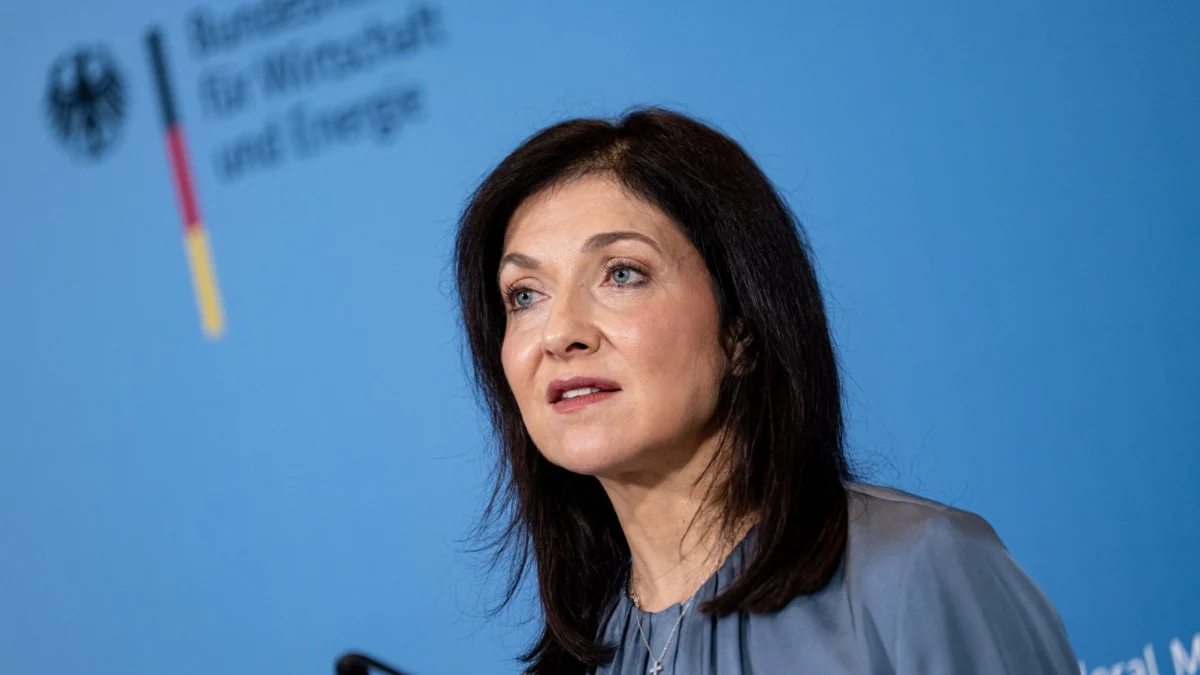
The precarious state of global energy markets has prompted swift action from the German government, with Economy Minister Katherina Reiche mandating the state-owned gas trader Sefe to actively inject gas into the nation’s storage facilities. This intervention comes amid a backdrop of escalating geopolitical risks, significantly constrained global liquefied natural gas (LNG) exports, and a concerning trend of declining storage levels across Europe. The move signifies a departure from a purely market-driven approach, reflecting the urgent need to secure Germany’s energy supply for the approaching winter.
Critical Juncture for Global Gas Supply
Energy expert Anne-Sophie Corbeau from the Center on Global Energy Policy at Columbia University has characterized the current situation as critically dangerous. "The possibility of a cold winter meeting low gas storage levels and globally restricted LNG exports—that is what makes the situation so perilous," she stated. Her assessment highlights the confluence of factors that could lead to severe energy shortages and price volatility.
The situation is further exacerbated by potential disruptions in the Middle East, particularly concerning exports through the Strait of Hormuz. Corbeau warns that if tensions in the region do not de-escalate, the end of the year could witness the first decline in global LNG trade volumes since 1981. This projection underscores the fragility of the current energy landscape and the potential for widespread supply chain disruptions.
Germany’s Proactive Intervention: Sefe Mandated to Inject Gas
In response to these mounting concerns, the German Ministry for Economic Affairs and Climate Action, led by Minister Reiche, has taken decisive action. Instead of solely relying on market mechanisms to fill the nation’s gas reserves, the ministry officially instructed Sefe (Securing Energy for Europe) on Tuesday evening to commence gas injections. This directive, reported exclusively by Handelsblatt, signals a shift towards a more interventionist policy to safeguard national energy security.
The primary rationale behind this intervention, according to ministry sources, is the persistent geopolitical risks that continue to destabilize energy markets. Sefe has confirmed receiving the instruction to procure and store eight terawatt-hours (TWh) of gas by December 15th. Germany’s total gas storage capacity stands at approximately 250 TWh, meaning the mandated injection represents a significant, albeit not overwhelming, step towards bolstering reserves.

Declining Storage Speeds and Sefe’s Underperformance
The urgency of the situation is underscored by a noticeable slowdown in gas injection rates into German storage facilities. Data from the consulting firm Team Consult reveals a sharp decrease in daily injections, falling to 276 gigawatt-hours (GWh) per day in the past week, a significant drop from 578 GWh per day in the preceding week. This decline raises concerns about the pace at which Germany is building its strategic reserves.
Adding to the concern is the underperformance of Sefe itself, despite its crucial role as a state-owned entity tasked with ensuring energy security. Sefe, formerly the German subsidiary of Russian gas giant Gazprom, was nationalized by the German government in the wake of the Ukraine war. While its name, "Securing Energy for Europe," implies a commitment to this mission, its recent injection rates have been notably low. Reports indicate that Sefe’s own storage facilities have been storing only one percent of their potential capacity.
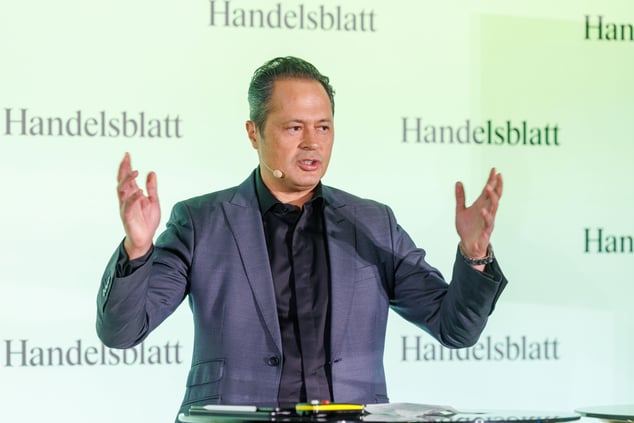
Hamead Ahrary, Sefe’s Sales Director, acknowledged the situation at a Handelsblatt conference, stating, "We want to do this in a market-friendly manner." He also emphasized the importance of other market participants contributing to storage efforts, adding, "Storage is the responsibility of the entire market." Officials from the Ministry of Economic Affairs echoed this sentiment, reiterating that despite the directive to Sefe, "without ifs or buts," all other market actors are expected to fulfill their obligation to store gas for the winter.
The Market Dynamics: High Prices and Shifting Incentives
The global gas market is currently experiencing unprecedented tension. European gas prices are hovering around €70 per megawatt-hour, more than double the approximately €30 per megawatt-hour seen before the escalation of the conflict in Ukraine. This price surge is largely attributed to the disruption of supply routes, particularly the Strait of Hormuz, which has restricted the flow of gas from key producers like Qatar. Globally, this has resulted in a shortfall of roughly a quarter of the previously available natural gas supply.
Historically, gas prices have been higher in winter than in summer, creating a natural incentive for traders to store gas during warmer months and sell it at a premium during colder periods. However, in recent months, this dynamic appeared to be inverted, with summer prices showing little advantage over winter projections, disincentivizing proactive storage by market participants.
Historical Context: The 2022 Energy Crisis and Policy Evolution
Germany’s current energy policy has been shaped by the lessons learned from the 2022 energy crisis, which saw unprecedented price spikes and fears of widespread gas shortages following Russia’s invasion of Ukraine. In response, the German government had previously intervened by mandating large-scale gas purchases to fill storage facilities. This move, while successful in securing supply, was also criticized for potentially exacerbating price increases by artificially inflating demand.

In September, Economy Minister Reiche had maintained a stance emphasizing market mechanisms, stating during parliamentary budget debates, "The state must not become a price driver itself." The concern was that significant state-led procurement to fill storage could drive up prices further, as seen in 2022. However, the current confluence of factors—low storage levels, geopolitical instability, and reduced LNG availability—appears to have shifted the ministry’s assessment of the risk landscape.
Study Highlights Structural Issues and Potential Solutions
The German government’s approach to gas storage has been subject to scrutiny and academic analysis. A study commissioned by the Ministry of Economic Affairs, conducted by the consulting firm Frontier Economics, offered insights into the effectiveness of different policy interventions. The study, conducted in November 2022, suggested that mandatory storage fill levels might not be the most efficient mechanism for ensuring energy security.
According to the Frontier Economics report, removing mandatory fill-level requirements and returning to a market-based system would likely yield the most efficient results under stable market conditions, minimizing price distortions and administrative burdens. However, the study also acknowledged a crucial caveat: this approach offers "no additional security in extreme risk scenarios."
The study’s authors recommended the establishment of a strategic gas reserve as a more effective tool for managing extreme crises. This would involve procuring and holding a defined quantity of gas specifically for emergency situations. Minister Reiche has indeed initiated plans for such a strategic reserve, though its implementation is slated to begin in the summer of 2027. In the interim, Germany continues to operate under its existing fill-level mandates, which require gas storage facilities to be 80% full by November 1st. The current reality, however, falls significantly short of this target.
Sefe’s Role and the Debate on Market Intervention
Sefe’s dual role as both a gas storage operator and a trader complicates the assessment of its performance. The fill levels in Sefe’s storage facilities are influenced not only by its own purchasing decisions as a trader but also by the procurement activities of other market participants. This interconnectedness highlights the challenge of isolating Sefe’s performance and the broader market dynamics at play.
The debate around market intervention versus a free market approach continues. While the Frontier Economics study pointed towards the potential downsides of mandatory fill levels in certain scenarios, the current global energy crisis has forced policymakers to re-evaluate the balance between market efficiency and security of supply. The government’s directive to Sefe can be seen as a pragmatic step to mitigate immediate risks, even as the long-term structural reforms are being considered.

Global LNG Market Under Strain
The global LNG market is facing significant pressure. The ongoing conflict in Ukraine has disrupted traditional gas supply routes from Russia to Europe, forcing a rapid diversification of energy sources. This has led to increased demand for LNG from alternative suppliers, including the United States and Qatar. However, the capacity of the global LNG infrastructure is finite, and geopolitical events, such as potential escalations in the Middle East, can have far-reaching consequences for supply availability and pricing.
The Strait of Hormuz, a critical chokepoint for global energy shipments, is a particular area of concern. Any significant disruption in this region could severely curtail LNG exports from major producers, leading to a global supply crunch and further price volatility. This underscores the interconnectedness of global energy markets and the vulnerability of supply chains to geopolitical instability.
The Path Forward: Balancing Security and Market Principles
The German government’s recent decision to mandate gas storage injections reflects a pragmatic approach to navigating the current energy crisis. While the long-term goal may be to foster a more resilient and market-driven energy system, the immediate need for security of supply necessitates intervention. The effectiveness of this strategy will depend on a delicate balance between state guidance and market forces, as well as the broader global geopolitical landscape.

As winter approaches, the effectiveness of Germany’s storage levels will be crucial. The nation, along with other European countries, faces the challenge of ensuring adequate energy supplies while grappling with volatile global markets and the ongoing transition towards cleaner energy sources. The current situation serves as a stark reminder of the complex interplay between geopolitics, economics, and energy security in the 21st century.
