

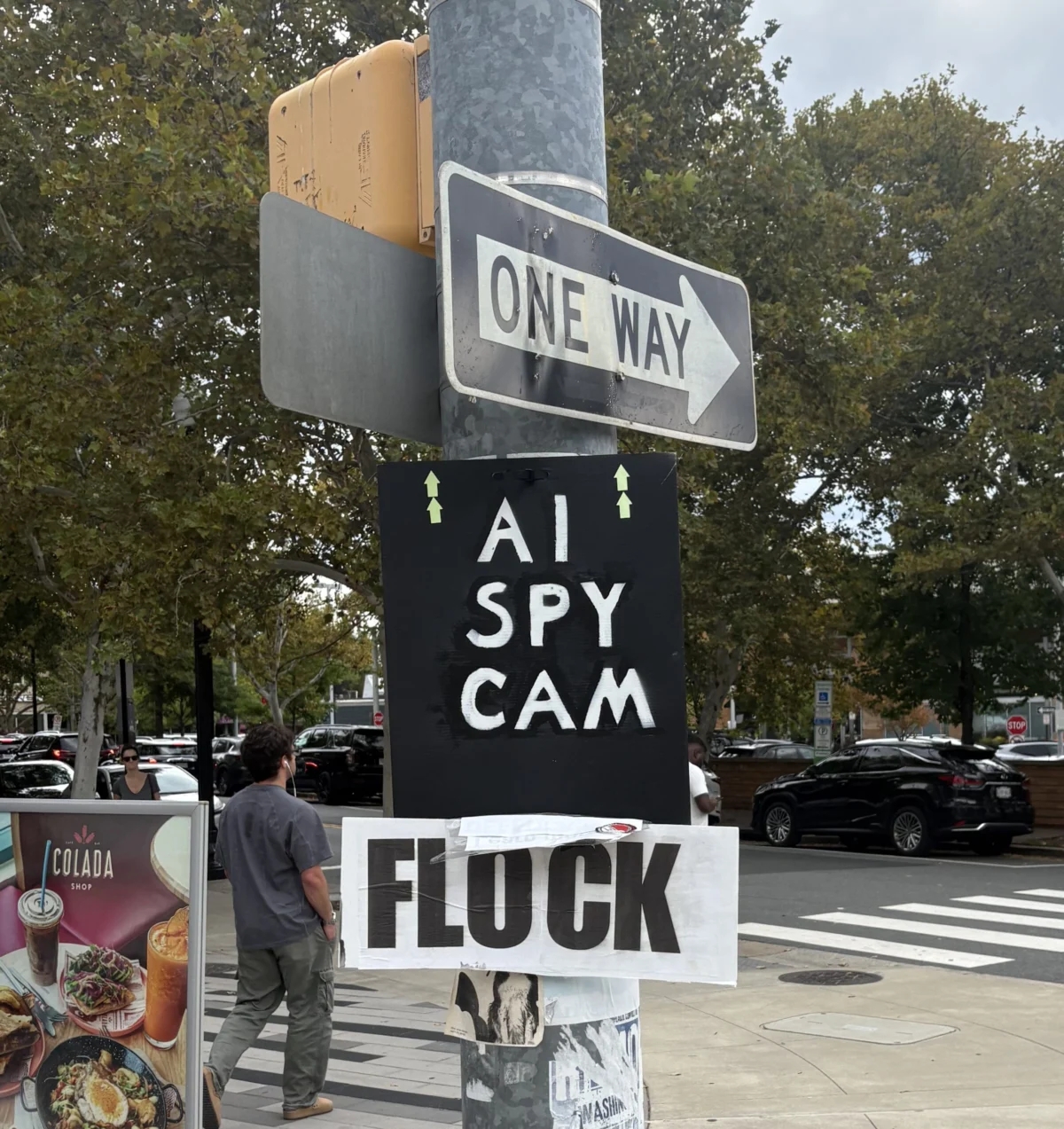
Atlanta, GA – September 19, 2026 – Embattled surveillance technology provider Flock Safety announced on Friday a comprehensive voluntary severance program, offering what company insiders describe as its "most generous" packages to date, in a strategic move to manage its workforce amid intensifying scrutiny and a wave of contract cancellations. The initiative, first reported by Wired, signals a significant internal restructuring for the company, which has become a focal point in the national debate over privacy, police oversight, and the ethical deployment of artificial intelligence in public safety.
The program comes as Flock Safety grapples with a precipitous decline in public trust and a rapid loss of municipal contracts, stemming from revelations of widespread misuse of its automated license plate recognition (ALPR) technology by law enforcement officers. Company leadership reportedly anticipates a substantial uptake from its approximately 1,500-person workforce, indicating a willingness to grant these buyouts to a majority of interested employees. This proactive measure is viewed internally as a means to allow employees demoralized by the ongoing controversies to depart voluntarily, circumventing the need for potentially more damaging involuntary layoffs that sources suggest would otherwise be "almost certain."
The Genesis of the Exodus: Voluntary Departures Amidst Crisis
Flock Safety, a privately held company that has raised hundreds of millions in venture capital, markets itself as a critical tool for reducing crime by providing real-time intelligence to law enforcement through a network of AI-powered cameras capable of reading license plates and identifying vehicle characteristics. Founded with the ambitious goal of eliminating crime, its technology has been adopted by thousands of communities and police departments across the United States. However, its rapid expansion has been met with growing skepticism from civil liberties advocates and, more recently, outright condemnation following a series of alarming reports detailing misuse.
The internal announcement of the severance packages underscores the severity of the crisis facing Flock Safety. CEO Garrett Langley, in a recent appearance on the All-In podcast, candidly acknowledged that the "biggest damage" inflicted by the backlash has been to "internal morale." This sentiment suggests a significant portion of the company’s workforce may be grappling with ethical concerns or uncertainty about the company’s future trajectory. By offering attractive severance, Flock Safety aims to manage attrition gracefully, potentially reducing the financial and reputational costs associated with forced layoffs while allowing disaffected employees to transition out. Details of the "generous" packages are not publicly known but typically include several months of salary, extended health benefits, and outplacement services, designed to make voluntary departure an appealing option for employees seeking new opportunities.
Flock Safety’s Technology and Its Controversial Rise
Flock Safety’s core product involves high-resolution cameras equipped with AI capabilities that continuously scan and record vehicle data. These cameras are often installed on utility poles, streetlights, or private property, creating a vast surveillance network. When a vehicle passes, the system captures its license plate number, make, model, color, and even unique identifying characteristics like bumper stickers or roof racks. This data is then stored in a centralized database, accessible to subscribing law enforcement agencies. The company touts its system’s ability to generate "hotlist" alerts for stolen vehicles, vehicles associated with Amber Alerts, or those connected to known suspects, promising to provide "objective evidence" to aid investigations.
The appeal to law enforcement is clear: enhanced investigative capabilities, faster suspect identification, and a deterrent effect on crime. Flock Safety’s business model relies on recurring subscriptions from municipalities and homeowners’ associations, which pay to deploy and maintain these camera networks. This model has fueled rapid growth, with the company securing significant funding rounds from prominent venture capital firms. Its technology has been deployed in an estimated 4,000 communities nationwide, creating an interconnected web of surveillance that, according to critics, blurs the lines between public safety and pervasive monitoring.
A Pattern of Misuse: The Washington Post Investigation
The turning point for Flock Safety’s public image arrived in August 2026, with a groundbreaking investigation by The Washington Post. The report meticulously documented 46 distinct cases where police officers across the country were accused of misusing Flock Safety’s technology. These weren’t isolated incidents of minor infraction but rather deeply disturbing patterns of abuse, with officers allegedly leveraging the powerful surveillance tool for personal vendettas, stalking former spouses, girlfriends, or other individuals with whom they had personal disputes.
The Post‘s findings highlighted a critical vulnerability in the widespread deployment of ALPR systems: the human element. While the technology itself is designed for crime prevention and evidence collection, the access provided to individual officers, often with insufficient oversight or audit mechanisms, created a fertile ground for privacy violations. The report detailed instances where officers queried the database for vehicles belonging to ex-partners, tracked their movements, or used the system to harass or intimidate individuals outside the scope of official police duties. This revelation ignited a firestorm of criticism, as it exposed the real-world implications of unchecked access to powerful surveillance tools, eroding public trust not only in the technology but also in the institutions deploying it.

The Ripple Effect: Cities and States Recoil
The Washington Post‘s expose triggered an immediate and widespread backlash, leading to a rapid reevaluation of Flock Safety contracts across the nation. The most significant blows came from two major states: Florida and Texas. Both states, known for their large populations and numerous municipalities, announced their intentions to cease using Flock Safety’s technology. While the specific legislative or policy mechanisms for these statewide actions are still unfolding, their decisions send a powerful signal to other jurisdictions and the tech industry at large. Such high-profile disavowals by populous states could significantly impact Flock Safety’s revenue streams and market viability.
Further compounding the company’s woes, an anti-surveillance advocacy group reported a staggering increase in contract terminations. According to their data, 90 cities dropped Flock Safety in August alone, representing a fourfold increase compared to the previous month. This surge indicates a rapid loss of confidence at the local level, with municipalities opting to sever ties amidst public outcry and concerns over liability and ethical governance. These cities, ranging from small towns to larger metropolitan areas, likely feared legal challenges, public relations nightmares, and a general erosion of trust between their police departments and the communities they serve. This dramatic acceleration in contract losses paints a grim picture for Flock Safety’s operational footprint and financial health. Prominent civil liberties organizations, such as the American Civil Liberties Union (ACLU) and the Electronic Frontier Foundation (EFF), have long warned about the privacy implications of ALPR systems, advocating for stricter regulations and transparent oversight. The recent misuse cases have only amplified their calls for action, providing concrete examples of the dangers they have long predicted.
Financial and Operational Crossroads
The financial implications of this escalating crisis are profound. Flock Safety, having attracted significant venture capital funding—including a reported $150 million Series D round in 2022 that valued the company at over $3.5 billion—now faces substantial challenges to its growth trajectory and valuation. The loss of numerous city contracts directly impacts its recurring revenue model, potentially leading to a sharp decline in its enterprise value. Investors, who had bet on the company’s rapid expansion and disruptive potential, are now likely re-evaluating their positions.
Beyond revenue loss, the voluntary severance program itself represents a significant financial outlay. While designed to avoid more costly layoffs and improve morale, these packages will draw heavily on the company’s cash reserves. Furthermore, the reputational damage could impede future sales, requiring a significant investment in rebuilding trust through enhanced transparency, stricter internal controls, and potentially redesigning access protocols to prevent misuse. The company may also face increased legal scrutiny and potential lawsuits from individuals whose privacy was violated, adding another layer of financial and operational risk.
The Broader Landscape of Surveillance Technology and Privacy
Flock Safety’s current predicament is not an isolated incident but rather a potent symptom of a broader societal struggle at the intersection of technological advancement, public safety, and individual privacy rights. The rapid proliferation of AI-powered surveillance tools, from facial recognition to predictive policing algorithms and ALPR systems, has consistently outpaced the development of robust ethical guidelines and regulatory frameworks.
The debate often pits the perceived benefits of enhanced security and crime reduction against fundamental constitutional protections, particularly the Fourth Amendment’s guarantee against unreasonable searches and seizures. Critics argue that systems like Flock Safety’s create a de facto dragnet surveillance system, where innocent citizens are constantly monitored, and their movements are tracked and stored without probable cause or individual suspicion. This always-on surveillance capability raises concerns about chilling effects on free speech and assembly, as individuals may self-censor their activities if they believe they are under constant observation.
The current backlash against Flock Safety serves as a crucial case study for the entire surveillance technology industry. It underscores the critical importance of embedding ethical considerations, robust oversight mechanisms, and stringent data security and access protocols from the very inception of such technologies. Companies operating in this space are now under immense pressure to demonstrate not only the efficacy of their products but also their unwavering commitment to preventing abuse and safeguarding civil liberties. This incident is likely to prompt more intense public discourse, potentially leading to new legislative efforts at both the state and federal levels to regulate the deployment and use of ALPR and other pervasive surveillance technologies.
Path Forward: Rebuilding Trust in a Skeptical Era
For Flock Safety, the path forward is fraught with challenges. Rebuilding trust will require more than just internal restructuring and severance packages. It will likely necessitate a fundamental re-evaluation of its operational model, data governance policies, and engagement with law enforcement partners. This could include implementing much stricter access controls, mandatory audit trails with public reporting, enhanced training for police users, and a more transparent process for reporting and investigating misuse.
The company might also explore diversifying its offerings or focusing on applications with fewer privacy implications, though its core business remains ALPR. The incident highlights the precarious balance technology companies must strike when developing powerful tools that can be used for both public good and egregious harm. As the public becomes increasingly aware of the capabilities and potential abuses of surveillance technology, companies like Flock Safety will be forced to adapt, evolve, or risk obsolescence in an era demanding greater accountability and respect for fundamental rights. The coming months will be critical in determining whether Flock Safety can navigate this storm and emerge as a responsible actor, or if its current crisis marks a turning point in the public’s acceptance of ubiquitous digital surveillance.
