

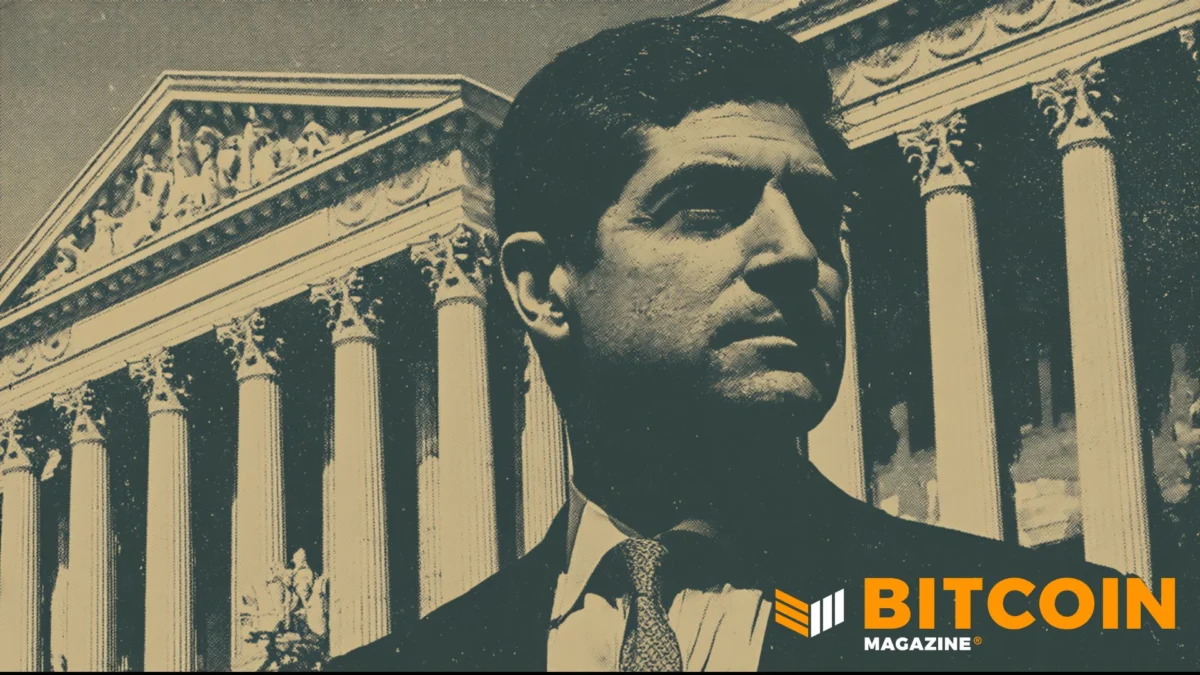
Federal Reserve Chair Kevin Warsh delivered a stark message to the House Financial Services Committee on July 14, asserting that the central bank will not intervene to rescue the cryptocurrency industry in times of crisis. This definitive stance, articulated during his inaugural semiannual monetary policy testimony as Chair, signals a departure from potential expectations of federal backstops for digital asset firms.
The exchange, initiated by Representative Brad Sherman (D-CA), a vocal critic of cryptocurrencies, directly questioned whether the Federal Reserve would provide a safety net for failing digital-asset companies, drawing a parallel to the support extended to money market funds during the 2008 financial crisis. Chairman Warsh unequivocally rejected this premise, stating, "We do not want to be in the bailout business, full stop." He further emphasized, "We want to be in a position where we’re not bailing out anybody, including crypto." This clear pronouncement sets a precedent for the burgeoning digital asset sector, indicating that it will be expected to operate under market discipline, rather than with the implicit guarantee of government intervention.
Warsh, who assumed office on May 15 and presided over his first Federal Open Market Committee (FOMC) meeting in June, grounded his perspective in his past experiences. As a Fed governor under the chairmanship of Ben Bernanke, he played a role in shaping the federal response to the 2008 financial crisis. Reflecting on that period, he stated, "I still have the scars from the 2008 financial crisis. That is not something we want to repeat." He articulated concerns that the post-crisis bailouts may have fostered moral hazard, a phenomenon where entities take on excessive risk because they expect to be shielded from the negative consequences. Warsh indicated a desire to prevent digital assets from encountering a similar trajectory.
For an industry that has actively sought legitimacy and integration with traditional financial systems, Warsh’s remarks represent a significant demarcation. Described as the first Federal Reserve Chair with a background in the cryptocurrency space, Warsh has historically viewed Bitcoin not as a potential ward of the state but as an indicator. During his nomination hearing, he characterized Bitcoin as "not a substitute for the U.S. dollar," and has, at times, used its price fluctuations as a barometer for the effectiveness of monetary policy. This perspective suggests a view of cryptocurrencies as a market phenomenon to be observed and regulated, rather than an entity requiring direct support.
GENIUS Act Rules Deadline Looms Amidst Fed’s Stance
Warsh’s pronouncement on bailouts comes at a critical juncture, just days before a pivotal deadline for implementing the GENIUS Act. This legislation, enacted in 2025, governs stablecoins and mandates that their issuers maintain full reserves behind each coin, while also prioritizing stablecoin holders ahead of other creditors in the event of an issuer’s failure. Rules to operationalize this act are due on Saturday, July 15, and Chairman Warsh confirmed that the Federal Reserve is actively "racing" to finalize and publish its proposals by the deadline.
The stablecoin market, currently valued at approximately $310 billion, presents a unique set of challenges. Representative Sherman, in his questioning, highlighted the potential for a run on one stablecoin issuer to trigger contagion across the entire sector. This concern underscores the interconnectedness of the digital asset ecosystem and the systemic risks that could arise from instability in a significant segment of the market.
While Warsh declined to offer an absolute guarantee of non-intervention in all circumstances, his language indicated a measured approach. He informed lawmakers that the Fed would act to mitigate "extraordinary" risks over the next four years. This phrasing suggests a degree of flexibility, leaving open the possibility of intervention in truly systemic events, though not necessarily in the form of a direct bailout of individual firms. As reported by American Banker, Warsh did not explicitly rule out any future intervention, indicating that the Fed’s response would be contingent on the nature and scale of any potential crisis.
The following day, at a hearing before the Senate Banking Committee, Warsh reiterated the importance of inter-agency coordination on the GENIUS Act rulemaking. He urged banking regulators to collaborate to prevent regulatory arbitrage, a practice where firms exploit differences in regulatory oversight to their advantage. This call for unified action aims to ensure a consistent and effective regulatory framework for the stablecoin market.
In parallel, Warsh defended the independence of the Federal Reserve in formulating monetary policy and recommitted to the ongoing effort to shrink the central bank’s balance sheet, which currently stands at approximately $6.7 trillion. This dual focus on regulatory clarity and monetary policy discipline underscores the Fed’s broader strategy for financial stability.
Implications for the Cryptocurrency Market: An Era of Market Discipline
The overarching message from Chairman Warsh to the cryptocurrency industry is the ushering in of an era of market discipline. The Federal Reserve intends to establish clear rules of the road through robust regulation, particularly concerning stablecoins. However, firms that engage in excessive risk-taking or operate beyond prudent financial practices will be expected to bear the consequences of their own failures.
This stance represents a significant shift for an industry that has, at times, actively sought federal backing and regulatory clarity as a means to gain broader acceptance. Warsh’s message compels the cryptocurrency sector to demonstrate its resilience and viability as an independent financial ecosystem. The Federal Reserve’s role, as articulated by its Chair, will be to ensure a stable and well-regulated environment, rather than to act as a lender of last resort for digital asset ventures.
The implementation of the GENIUS Act rules will be a crucial test of this new regulatory paradigm. The clarity and effectiveness of these regulations, coupled with the Fed’s commitment to market discipline, will shape the future trajectory of the stablecoin market and, by extension, the broader cryptocurrency landscape. The industry will need to adapt to a framework where innovation must be balanced with robust risk management and a clear understanding that federal intervention in crises is not a foregone conclusion.
Historical Context: The Shadow of 2008
The Federal Reserve’s stance on bailouts is inextricably linked to the lessons learned from the 2008 global financial crisis. That period witnessed unprecedented interventions by central banks and governments worldwide to prevent the collapse of major financial institutions and to stabilize the global economy. The rescue of Bear Stearns, the bailout of AIG, and the Troubled Asset Relief Program (TARP) in the United States are stark reminders of the scale of intervention that was deemed necessary.
However, these actions also generated significant public debate and criticism. Concerns about moral hazard, where institutions might take on greater risks knowing they could be rescued, were widespread. The perception that some entities were "too big to fail" led to calls for a financial system that was more resilient and less reliant on government support.
Chairman Warsh’s personal experience as a Fed governor during this tumultuous period has clearly informed his current perspective. His reference to "scars" suggests a deep-seated aversion to repeating the playbook of large-scale bailouts. This aversion is not unique to Warsh; it reflects a broader sentiment within regulatory circles and among the public that the financial system should be designed to withstand shocks without constant recourse to taxpayer-funded interventions.
The cryptocurrency industry, while a relatively new phenomenon, operates within a global financial system that is still grappling with the aftermath of 2008. The potential for systemic risk, as highlighted by Representative Sherman, is a recurring theme in financial regulation. The Federal Reserve’s decision to draw a firm line on bailouts for crypto is a proactive measure to avoid extending the precedent of 2008 to a new asset class.
The GENIUS Act: A Framework for Stablecoin Stability
The GENIUS Act, enacted in 2025, represents a significant legislative effort to bring regulatory clarity and stability to the rapidly growing stablecoin market. Stablecoins, which are designed to maintain a stable value relative to a fiat currency or other assets, play an increasingly important role in the digital asset ecosystem, facilitating transactions and serving as a bridge between traditional finance and cryptocurrencies.
Key provisions of the GENIUS Act include:
- Full Reserve Requirements: Issuers are mandated to hold reserves equal to the value of the stablecoins they issue, ensuring that each coin is fully backed by tangible assets. This provision aims to prevent the kind of fractional reserve issues that have plagued traditional banking in the past.
- Creditor Priority: In the event of an issuer’s insolvency, stablecoin holders are granted priority over other creditors. This significantly reduces the risk for individuals and entities holding stablecoins, providing a layer of protection against issuer failure.
- Regulatory Oversight: The Act places stablecoin issuers under the purview of federal banking regulators, including the Federal Reserve, enabling them to set and enforce rules governing the stablecoin market.
The impending deadline for the implementation rules underscores the urgency with which regulators are approaching the stablecoin sector. The Federal Reserve’s role in developing these rules is critical, as its proposals will set the operational standards for issuers and shape the future of this segment of the digital asset market. The "racing" to publish these proposals suggests a commitment to timely action, even as the industry navigates evolving regulatory landscapes.
Broader Market Implications and Future Outlook
Chairman Warsh’s firm stance on avoiding bailouts has several significant implications for the cryptocurrency market:
- Increased Emphasis on Risk Management: Digital asset firms will need to prioritize robust risk management frameworks. This includes ensuring adequate capitalization, managing liquidity effectively, and developing comprehensive plans for operational resilience.
- Market-Driven Innovation: The expectation of market discipline may foster a more sustainable and innovation-driven approach within the industry. Companies that can demonstrate sound business models and manage risk effectively are likely to thrive, while those that rely on speculative growth or leverage may face greater challenges.
- Regulatory Clarity as a Double-Edged Sword: While the GENIUS Act and forthcoming rules will provide much-needed clarity, they will also impose new obligations and compliance burdens. The industry will need to adapt to a more regulated environment.
- Potential for Volatility: The absence of a federal backstop means that any future crises within the crypto industry could lead to greater volatility and potentially more severe price corrections, as market participants bear the full brunt of losses.
- The Role of Decentralization: The Fed’s position may inadvertently strengthen the argument for truly decentralized financial systems, which are inherently less susceptible to single points of failure or the need for central authority intervention.
In conclusion, Federal Reserve Chair Kevin Warsh’s clear articulation of a no-bailout policy for the cryptocurrency industry marks a pivotal moment. It signals a commitment to market discipline and a desire to avoid the pitfalls of past financial crises. As the GENIUS Act rules are finalized, the industry faces a future where innovation must be paired with prudence, and where the ultimate responsibility for financial stability rests with the market participants themselves.
