

The National Highway Traffic Safety Administration (NHTSA) has initiated a formal investigation into Comma.ai, a prominent startup in the aftermarket driver assistance space, after a series of five reported crashes, including two fatal incidents that resulted in three deaths. The federal probe by NHTSA’s Office of Defects Investigation (ODI) centers on allegations that Comma.ai’s "hands-off" driver assistance technology failed to detect or adequately respond to slow or stopped vehicles within the same lane, leading to severe consequences for users and other motorists. Beyond the fatalities, four of the reported crashes led to injuries for as many as 11 individuals, some of whom sustained serious harm. The investigation also notes that some of these critical incidents, including at least one of the fatal crashes, may have involved the use of "forked" or modified versions of Comma.ai’s proprietary open-source software, "openpilot," raising complex questions about software liability and user responsibility in the evolving landscape of automotive technology.
The Scope of the Federal Probe
NHTSA’s Office of Defects Investigation (ODI) is tasked with identifying and investigating potential safety defects in motor vehicles and equipment. The current preliminary evaluation, designated PE26007, will meticulously examine the design, performance, and safety parameters of Comma.ai’s aftermarket devices and associated software. This investigation comes amidst heightened regulatory scrutiny of advanced driver assistance systems (ADAS) across the automotive industry, a sector that has seen rapid innovation alongside growing concerns about system limitations and user understanding.
The five reported incidents paint a concerning picture. In each case, the core failure mode appears to be the inability of the Comma.ai system to adequately perceive and react to stationary or slow-moving obstacles in the vehicle’s path. This specific type of failure has been a recurring theme in other ADAS-related investigations, underscoring a critical challenge in the development of robust autonomous and semi-autonomous driving capabilities. The fact that 11 people were injured, some severely, highlights the potential for widespread harm when such systems malfunction. ODI’s focus will be to determine if these failures represent a systemic defect in Comma.ai’s product, whether official or modified versions, and to assess the adequacy of the company’s safety safeguards and user warnings.
Understanding Comma.ai and its Openpilot System
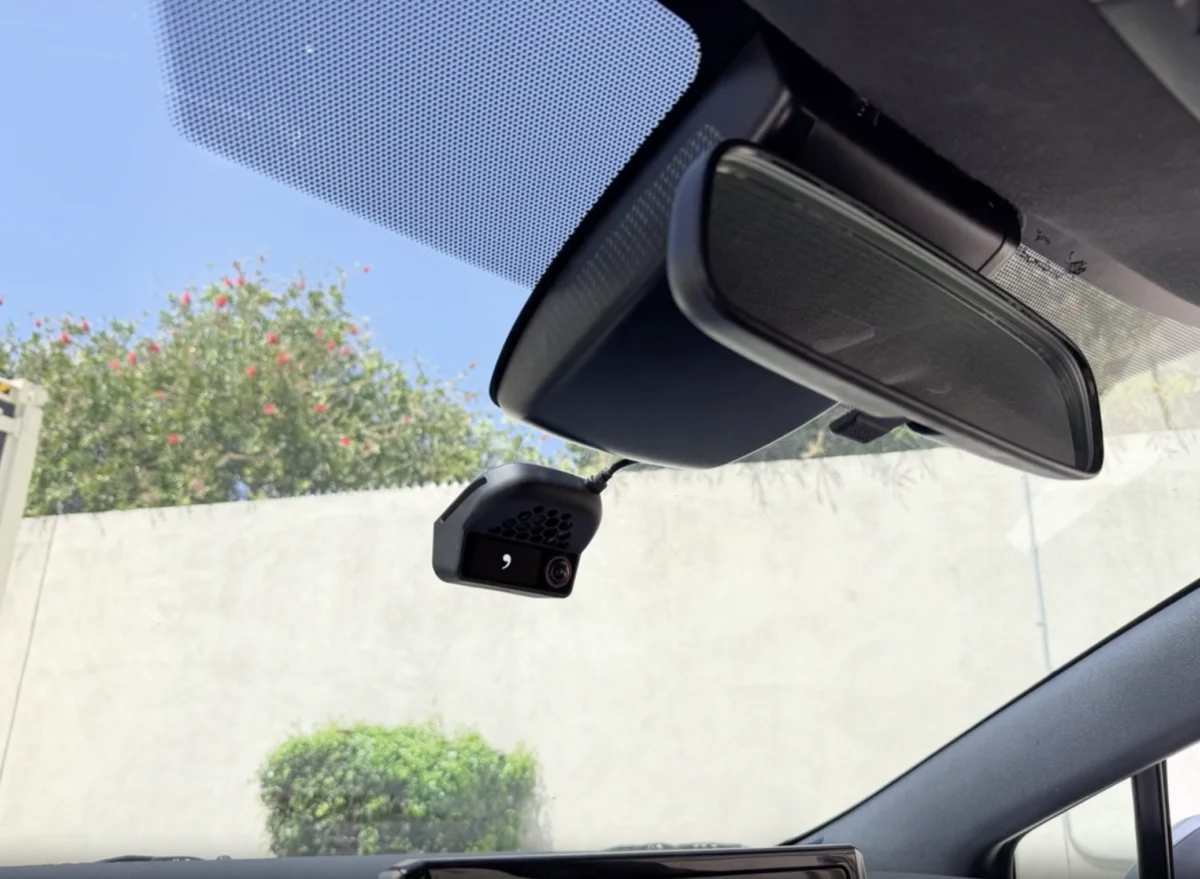
Founded in 2015 by the renowned hacker George Hotz (also known as "geohot"), Comma.ai quickly carved out a niche by offering an open-source, aftermarket solution for enhancing vehicle autonomy. Hotz, famous for being the first person to jailbreak an iPhone and later for reverse-engineering the PlayStation 3, brought a distinct philosophy to the automotive world: empowering users with accessible, customizable driver assistance technology. Comma.ai’s flagship product, "openpilot," consists of a hardware device (such as the Comma Three) that integrates with a vehicle’s existing controls and software that enables features akin to those found in factory-installed systems like Tesla Autopilot or General Motors’ Super Cruise.
Openpilot’s primary functions include Adaptive Cruise Control (ACC) and Automated Lane Centering (ALC), designed to manage a car’s speed and steering within a lane automatically. The company’s marketing often emphasizes the goal to "make driving chill," suggesting a more relaxed driving experience for users. According to Comma.ai’s website, "openpilot can steer, accelerate, and brake automatically for other vehicles within its lane." The system primarily relies on a camera-based sensing suite, a common approach in many modern ADAS. Crucially, Comma.ai has always maintained that its system is a driver assistance feature, not a fully autonomous one, and explicitly warns drivers that they "must always be capable to immediately retake manual control of the vehicle, by stepping on either pedal or by pressing the cancel button." To enforce this, the company incorporates a camera-based driver monitoring system designed to detect distracted or sleepy drivers and prompt them to re-engage with the driving task.
The open-source nature of openpilot is central to its identity. This model allows a community of developers and enthusiasts to inspect, modify, and contribute to the software. While fostering rapid innovation and transparency, this also introduces complexities, particularly regarding "forked" versions. A "fork" refers to a version of the software that has been modified and developed independently from the original project. In the context of safety-critical automotive applications, modified software can introduce unforeseen vulnerabilities or alter intended safety parameters, potentially bypassing safeguards implemented by the original developer. The ODI’s mention of "forked" software being involved in some crashes suggests a significant challenge in regulating and ensuring the safety of such decentralized technological ecosystems.
A Chronology of Critical Incidents
While specific dates for all five incidents under investigation have not been fully disclosed, one particularly tragic event highlighted by NHTSA appears to be the fatal crash in February 2026 in Ascension Parish, Louisiana. This incident involved a 2022 Toyota RAV4 equipped with "FrogPilot," which ODI explicitly identified as a third-party fork of openpilot. The RAV4 reportedly struck a stopped first responder vehicle, resulting in the deaths of two rear-seat passengers. Louisiana State Police reports from February corroborate details matching NHTSA’s database description of a multi-vehicle crash on Interstate 10 in Ascension Parish, confirming the tragic loss of life.
This specific incident underscores several critical points:
- The "Stopped Vehicle" Challenge: The collision with a stationary first responder vehicle aligns with the general failure mode identified by ODI—the inability to detect or respond to stopped vehicles. This scenario is particularly dangerous as emergency vehicles, construction zones, or stalled vehicles represent common, yet critical, roadside hazards.
- The "Forked Software" Dilemma: The involvement of "FrogPilot," a modified version of openpilot, directly implicates the risks associated with users running non-official software. While the open-source community often values customization and experimentation, the safety implications for autonomous features are profound. It raises questions about who bears responsibility—the original developer, the "fork" developer, or the end-user who chose to install modified software.
- Passenger Safety: The fatalities of rear-seat passengers in the Toyota RAV4 highlight that ADAS failures can have devastating consequences for all occupants, not just the driver.
The other incidents, though less detailed in the initial reports, collectively point to a pattern of similar failures leading to injuries. The investigation will undoubtedly seek to gather comprehensive data on all five crashes, including vehicle make and model, specific Comma.ai hardware/software versions, environmental conditions, driver actions, and detailed crash reconstruction analyses.
Regulatory Precedent and Broader Industry Context
NHTSA’s investigation into Comma.ai is not an isolated event but part of a broader trend of increased regulatory scrutiny over advanced driver assistance systems. The agency has previously launched extensive investigations into other prominent ADAS technologies, most notably Tesla’s Autopilot system, following numerous crashes involving emergency vehicles and other stationary objects. These ongoing probes signal a clear intent by federal regulators to hold manufacturers, even those in the aftermarket space, accountable for the safety performance of their ADAS products.
The distinction between original equipment manufacturer (OEM) systems and aftermarket solutions like Comma.ai’s is crucial. OEM systems are integrated into the vehicle’s design from the ground up, with extensive testing and validation performed by the car manufacturer. Aftermarket systems, by their nature, are installed post-production and must interface with a wide range of vehicle models and their proprietary electronic architectures. This can present unique challenges in terms of compatibility, consistent performance, and the ability to guarantee safety across diverse platforms. The regulatory framework for aftermarket ADAS is still evolving, and this investigation could set important precedents for how such technologies are designed, marketed, and regulated in the future.
Furthermore, the open-source aspect of openpilot adds another layer of complexity. While open-source software is foundational to many modern technologies, its application in safety-critical systems like autonomous driving raises questions about quality control, liability, and accountability. Unlike proprietary software where a single entity holds clear responsibility, the distributed nature of open-source development and the ability for users to modify code can blur lines of ownership and accountability when things go wrong. This investigation will likely force a re-evaluation of how open-source principles can be balanced with the paramount need for safety in automotive applications.
Silence from Comma.ai and Hotz
As of the initial reports, Comma.ai could not immediately be reached for comment regarding the federal investigation. George Hotz, who founded the company, also did not immediately return a request for comment. This lack of immediate public statement from the company or its founder is common during the early stages of a federal investigation, as legal teams typically advise caution.
It is worth noting that George Hotz distanced himself from the startup’s day-to-day operations in November 2022, reportedly to pursue a new AI project. While he remains the company’s founder and likely a significant shareholder, his reduced direct involvement in operations could complicate the internal response to the investigation. The current leadership of Comma.ai will be tasked with responding to NHTSA’s inquiries, providing requested data, and potentially implementing any required corrective actions.
Broader Implications for ADAS and Public Trust
The NHTSA investigation into Comma.ai carries significant implications for the broader ADAS industry and public perception of these nascent technologies.
- Erosion of Public Trust: Each reported crash involving ADAS, especially those resulting in fatalities, can erode public trust in the safety and reliability of these systems. This could slow adoption rates and increase skepticism, even for systems that have robust safety records.
- Future of Aftermarket ADAS: The outcome of this investigation could redefine the regulatory landscape for aftermarket driver assistance products. It may lead to more stringent testing requirements, clearer liability frameworks, and potentially a more limited scope for what aftermarket solutions can offer.
- The Open-Source Dilemma: For the open-source community, this investigation highlights the ethical and practical challenges of applying open-source models to safety-critical applications. It may prompt a re-evaluation of community guidelines, disclaimers, and the need for rigorous, verifiable safety testing even for community-developed software.
- Enhanced Consumer Awareness: This incident serves as a stark reminder for consumers that advanced driver assistance systems, whether factory-installed or aftermarket, are not autonomous. They require constant driver supervision and understanding of their limitations. The risks associated with using modified software, which may not have undergone any formal safety validation, will likely be emphasized by regulators and safety advocates.
- Industry Response: Other ADAS developers, both OEM and aftermarket, will be closely watching this investigation. Its findings could influence their own design principles, testing protocols, user interface warnings, and legal strategies to mitigate liability.
As this story continues to develop, the findings of NHTSA’s Office of Defects Investigation will be crucial. They will not only determine the future trajectory of Comma.ai but also significantly shape the regulatory environment, technological development, and public discourse surrounding advanced driver assistance systems for years to come. The delicate balance between innovation, accessibility, and safety will be at the forefront of this complex and critical inquiry.
