

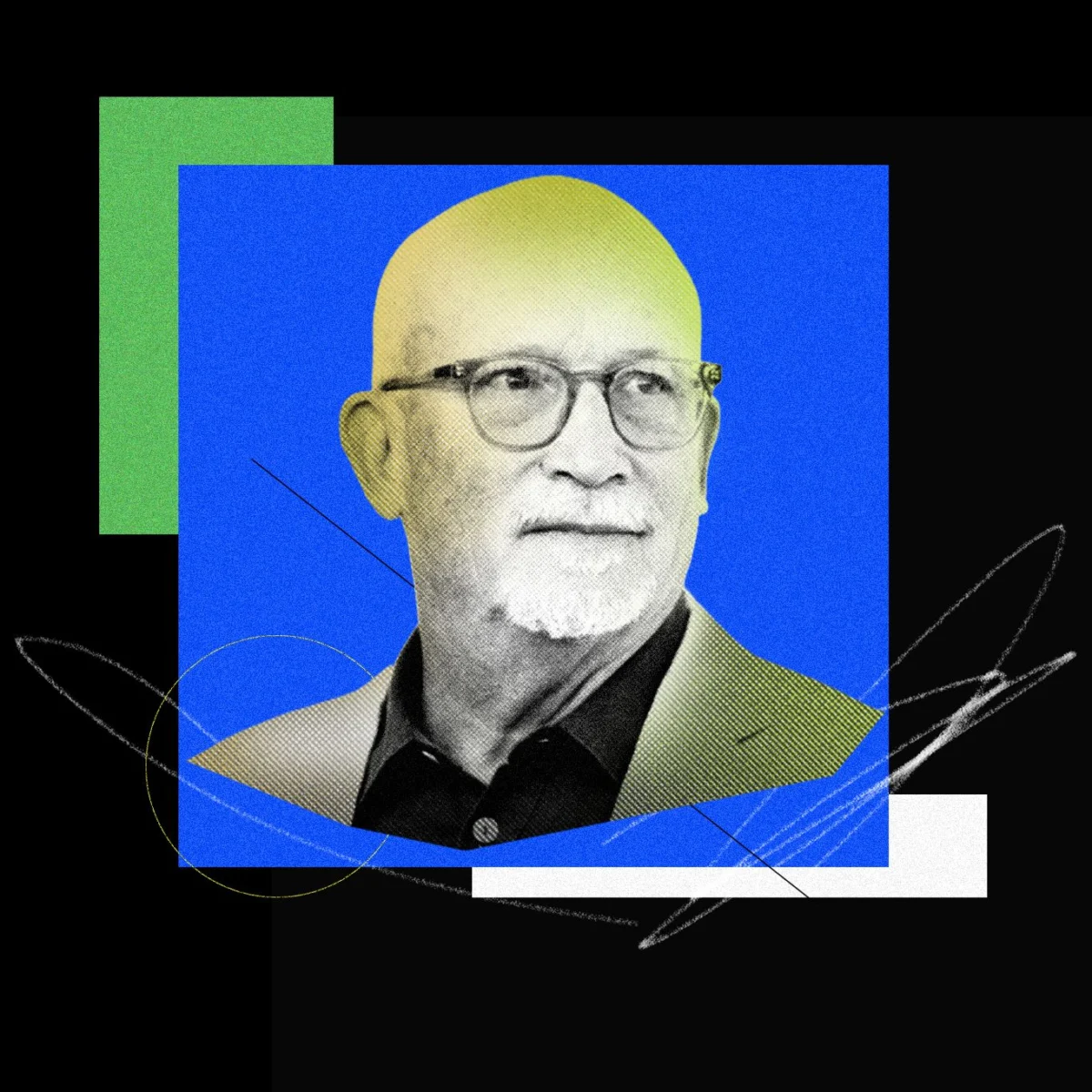
Filmmaker Alex Gibney faced a significant challenge in his pursuit of a comprehensive documentary about Elon Musk: securing interviews with the elusive tech mogul and his inner circle. In a candid conversation with WIRED, Gibney revealed that only one person, Musk’s father Errol Musk, readily agreed to participate. "We had Errol Musk at ‘hello’," Gibney stated, highlighting the arduous process of persuading the dozens of other associates, including Musk’s first wife Justine, ex-girlfriend Ashley St. Claire, and prominent figures like Kara Swisher and Reid Hoffman, to share their perspectives. This difficulty underscores the high-stakes environment surrounding any public discussion of Musk, where individuals apparently perceived a considerable risk in offering honest accounts.
The resulting film, "Musk," which premieres nationwide, offers a nearly four-hour, unflinching examination of the billionaire CEO. It delves into the intricate relationship between Musk’s celebrated genius and his formidable ability to cultivate his own public narrative, a skill that directly influences the stock valuations of his publicly traded companies. Notably, Musk himself declined to be interviewed for the documentary. Instead, Gibney’s team meticulously combed through every public statement Musk has ever made, constructing a simulated version of the entrepreneur that serves as a central, albeit artificial, presence throughout the film. This innovative approach to character representation is rooted in Musk’s own public discourse on the nature of reality and the concept of living in a simulation.
The Simulated Musk: A Cinematic Device Reflecting Thematic Concerns
The decision to create a simulated Elon Musk was born out of necessity and a desire to engage with the very ideas Musk himself has popularized. "What were we gonna do? He’s the main character," Gibney explained, addressing the central challenge of portraying a subject unwilling to participate directly. The filmmaker found inspiration in Musk’s frequent discussions about simulations, deciding to "lean into that" cinematically. By using Musk’s actual words and audio recordings, but placing them within a custom-designed avatar, Gibney aimed to explore thematic layers relevant to the film.
This choice resonated with several key aspects of Musk’s public persona and the film’s narrative. Firstly, it directly referenced Musk’s own pronouncements on the simulation hypothesis, effectively inviting the audience into a conceptual space he has often invoked. Secondly, it underscored the film’s exploration of the porous boundaries between reality and fabrication in the Elon Musk narrative. As the film delves into Musk’s engagement with artificial intelligence and the complex human relationship with advanced AI language models, the simulated interviewer felt like a fitting formal device.
Furthermore, Gibney observed that Musk often avoids direct eye contact during interviews, typically looking away from the interviewer or camera. The simulated Musk, however, was designed to look directly at the viewer, creating a more confronting and intimate connection. "We’re gonna give Elon a break," Gibney quipped, suggesting that the avatar presented a more flattering image than some recent public appearances. This aesthetic choice was deliberate. The simulated Musk is depicted as chiseled and tanned, a conscious decision to present the "star" of the film in a favorable light. Gibney also stated that avoiding unflattering or "slop AI" imagery was important, particularly in light of how some of Musk’s supporters have visually denigrated him. The visual design, including attire and setting, was meticulously crafted to serve the film’s broader narrative about image construction.
Navigating the Ethical Landscape of Documentary Filmmaking
The use of a simulated subject raises important questions about journalistic ethics. While Gibney emphasizes that the simulated Musk’s dialogue is drawn exclusively from his public statements, the director made deliberate choices regarding his presentation. "I think that goes to the heart of what’s different about a documentary like this and maybe a podcast interview," Gibney stated, referring to the rendering of the image within a broader cinematic context. The visual elements are intended to convey meaning and provoke thought.
Participants in the film, including the interviewer Zoë Schiffer, were filmed against a green screen and then placed into digitally constructed backgrounds, a technique that reinforces the film’s themes of constructed realities. "All of this had to do with this kind of strange unreality, real unreal world we’re living in right now," Gibney noted. The direct gaze of the simulated Musk was also a calculated decision, creating a psychological dynamic that Gibney described as "both real and unreal at the same time." This formal approach was designed to mirror the film’s thematic concerns.
The Shifting Ideologies of a Shape-Shifter
The documentary probes the perceived fluidity of Elon Musk’s political and ideological stances. Gibney observes that Musk doesn’t appear to adhere to a singular, coherent political identity, nor to consistent allegiances with colleagues or friends. This "shape-shifting" image, Gibney suggests, is not necessarily indicative of a deeply flawed individual but rather a pragmatic approach to navigating diverse circumstances. Many analyses, Gibney contends, attempt to impose a coherence onto Musk’s thinking that may not exist, arguing that he is more of an improviser who sculpts his image based on prevailing conditions and perceived advantages.
This adaptability is evident in his shifting relationships with political figures, such as his interactions with the Obama and Trump administrations. Gibney interprets these shifts as serving a consistent purpose: maximizing resource acquisition from the federal government. The acquisition of Twitter (now X) is cited as a prime example. Initially perceived as an impulsive decision, its subsequent transformation into a platform for political influence suggests a calculated, albeit evolving, strategy. Gibney posits that Musk’s superpower lies in his high tolerance for risk, enabling him to make rash decisions and manage the fallout. The Twitter acquisition, according to Gibney, was a business decision that was "dumb" from a traditional standpoint, characterized by overpayment and a lack of due diligence. However, Musk’s comfort with risk allowed him to proceed, with Twitter eventually evolving into a "propaganda platform" with significant political and economic utility that may not have been initially foreseen.
The Challenge of Access and the Power of Personal Testimony
The arduous process of securing interviews for "Musk" underscores the immense influence and perceived power associated with Elon Musk. Gibney recounted the painstaking efforts involved in persuading individuals to participate, noting that the "risk profile for talking about Musk in a way that was honest was high." This reluctance highlights a culture of deference or perhaps fear within certain circles of Silicon Valley.
The immediate agreement of Errol Musk was an anomaly. Gibney described the interaction as a watershed moment, a stark contrast to the lengthy persuasion required for others. "We had Errol Musk at hello," he reiterated, emphasizing the ease with which his father consented. The remote interview with Errol in South Africa yielded remarkably revealing, albeit sometimes unintentional, insights.
Justine Musk’s participation was particularly crucial. Gibney spent over a year in conversation with her before she agreed to be interviewed. Her testimony offers profound insights into Musk’s personality and the emotional toll of their shared history, including the tragic death of their first child. Her account of gaslighting, and her insistence that their child died in her arms, not his, as Musk had publicly stated, provides a deeply personal and painful counterpoint to Musk’s own narrative. Gibney described Justine as a storyteller seeking "deeper truth," contrasting her approach with Musk’s tendency to "mythologize" and obscure difficult realities.
The film also features Ashley St. Claire, whose insights offer a perspective on the contemporary political landscape. The inclusion of figures like Samantha Power, former Ambassador to the United Nations, adds a critical dimension, particularly concerning the ramifications of Musk’s ventures in government efficiency.
The "DOGE" Experiment: A Calculated Act of Cruelty?
A particularly harrowing segment of the documentary focuses on the Department of Government Efficiency (DOGE), Musk’s brief and controversial stint in Washington D.C. tasked with streamlining federal operations. The film portrays this period through a lens of "glee and performative cruelty," juxtaposing Musk’s aggressive rhetoric with Samantha Power’s sober testimony about the devastating human cost of the agency’s actions, particularly the shuttering of USAID.
Gibney suggests that the stated goal of addressing "waste, fraud, and abuse" was a "magician’s sleight of hand." The underlying objective, he argues, was the self-serving destruction of the regulatory state by a "big tech baron." The collateral damage, including loss of life and increased disease in developing nations, was seemingly disregarded. The DOGE operatives, despite their apparent lack of agency experience, reportedly gained significant access to data, raising concerns about potential breaches of classified information and private data.
The film highlights the superficiality of the DOGE team’s approach to identifying savings, often misinterpreting procurement documents and defaulting Social Security data. These were details that individuals familiar with government operations would have readily understood. The performative nature of their actions, Gibney suggests, mirrored the "roiling anger" Musk cultivates on X and exploits politically.
The Specter of Election Interference and the Power of Data
The documentary touches upon the potential implications of Musk’s data-gathering activities for electoral integrity. Geoffrey Hinton, a pioneer in artificial intelligence, voiced concerns that detailed information on U.S. citizens, potentially gathered by DOGE, could be exploited to corrupt elections. Gibney expresses worry about a disinformation campaign, aided by Musk, aimed at undermining confidence in the electoral process, particularly in the lead-up to elections.
The film also explores the complex question of whether Musk knowingly lies or genuinely believes his own pronouncements. Gibney leans towards the latter, drawing parallels with figures like Elizabeth Holmes and Lance Armstrong. He suggests that a psychological mechanism kicks in where the conviction required to be forceful and confident leads to a form of self-deception, where the end justifies the means. This is particularly evident in individuals who become "addicted to a growing power" and develop an ability to convince others, even themselves.
The Unseen Depths: What Was Left on the Cutting Room Floor
The nearly four-hour runtime of "Musk" belies the vast amount of material that did not make it into the final cut. Gibney lamented the necessity of condensing complex narratives, particularly concerning Twitter and DOGE. The SolarCity story, a Russian influence investigation, and details of SEC inquiries were among the significant segments that were ultimately omitted. Deposition footage, which Gibney finds particularly revealing, also contributed to the extensive material left on the cutting room floor. The filmmaker expressed hope that some of this material might eventually be released for "geeks" who desire a more expansive understanding of the subject.
