

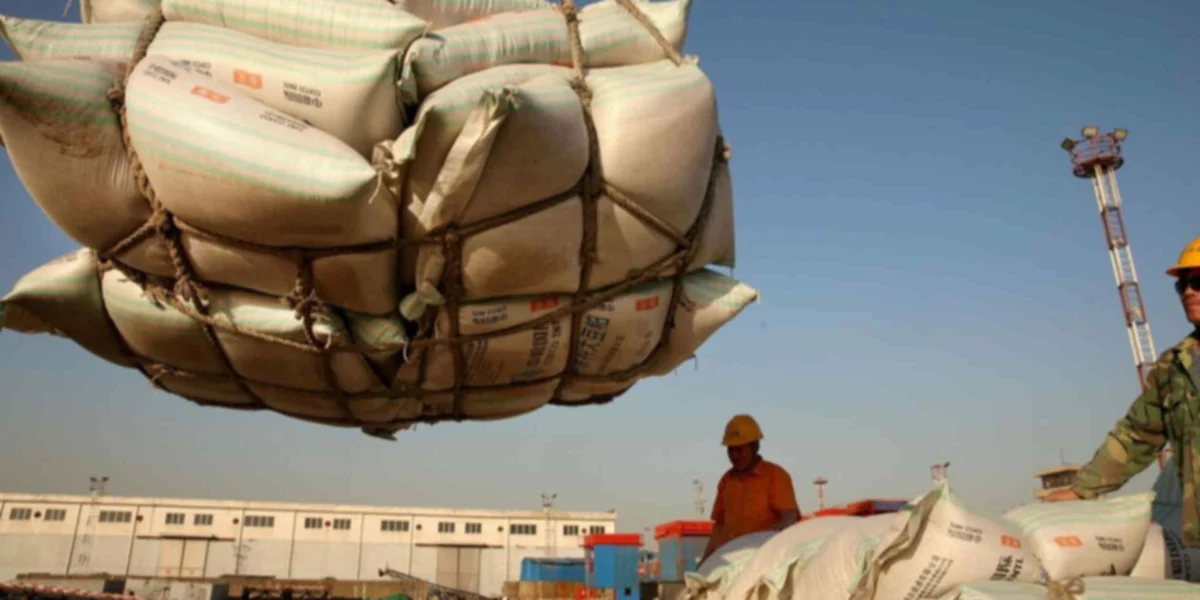
China has significantly ramped up its purchases of U.S. soybeans, a development that could exert considerable influence on American farmers in the crucial months leading up to the November midterm congressional elections. The latest data reveals a dramatic increase in booked volumes for 2026, more than quadrupling from the previous year, which has in turn provided a substantial lift to soybean prices. This burgeoning demand from Beijing comes at a critical juncture for both nations’ agricultural sectors and carries implications that extend beyond simple market dynamics.
A Resurgence in Agricultural Trade
The surge in Chinese soybean orders for future delivery marks a notable shift in the trade relationship between the two economic giants. For years, U.S. soybean farmers have navigated a complex and often volatile trade environment with China, particularly in the wake of the trade war initiated in 2018. Tariffs imposed by both sides had severely disrupted established trade flows, leading to significant financial strain for American agricultural producers who had historically relied on China as their largest export market for soybeans.
The current trend suggests a strategic recalibration by China, driven by a confluence of factors. Domestically, China faces the ongoing challenge of ensuring a stable and sufficient supply of protein for its vast population. Soybean meal is a primary component in animal feed, and its availability directly impacts the cost and production of meat, poultry, and dairy products. Fluctuations in global supply chains, coupled with potential disruptions from other major soybean-producing regions, likely underscore China’s renewed commitment to diversifying and securing its soybean sources.
Key Data Points and Trends
Official figures, while not fully detailed in the initial report, indicate a substantial uptick in contracted U.S. soybean volumes for delivery in 2026. This forward-looking commitment is particularly significant. It suggests that Chinese importers are not merely responding to immediate market needs but are actively planning for their long-term agricultural requirements. The magnitude of this increase—described as "more than fourfold" compared to the previous year’s bookings—underscores the renewed vigor of this trade relationship.
This surge in demand has, as anticipated, translated into upward pressure on soybean prices. While specific price increases are subject to market fluctuations and the exact volume of contracts, a substantial increase in buyer interest, especially from a major importer like China, inherently tightens the market and can drive up commodity prices. For U.S. farmers, this could mean more favorable selling prices for their current and future harvests, a welcome development after periods of price depression.
A Shift in the Trade Landscape: From Tariffs to Re-engagement
The period between 2018 and 2020 was characterized by significant trade friction. In response to U.S. tariffs on Chinese goods, Beijing retaliated with its own tariffs, many of which targeted American agricultural products, including soybeans. This retaliatory measure had a devastating impact on U.S. soybean exports, as China, which had previously accounted for approximately one-third of all U.S. soybean exports, drastically reduced its purchases.
During this period, American farmers experienced significant financial hardship. The U.S. government implemented substantial aid packages to compensate farmers for trade-related losses. Simultaneously, China sought to diversify its import sources, increasing its reliance on suppliers like Brazil, which has since become the world’s largest soybean exporter.
The current surge in Chinese purchases of U.S. soybeans represents a partial reversal or at least a significant rebalancing of this trade dynamic. It suggests that the strategic imperatives for China to secure its soybean supply chain have re-emphasized the importance of the U.S. as a reliable and high-volume producer. The fact that these purchases are for future delivery (2026) indicates a strategic partnership being rebuilt, moving beyond immediate market needs.
The Geopolitical Context: Midterm Elections and Agricultural Influence
The timing of this significant increase in Chinese soybean purchases is particularly noteworthy, occurring in the lead-up to the U.S. midterm congressional elections in November. American agriculture is a powerful economic and political force, particularly in key agricultural states. Farmers’ economic well-being is often a significant factor in electoral outcomes in these regions.
A sustained increase in soybean prices and robust demand from a major export market can be perceived positively by agricultural communities. This could translate into a more favorable sentiment towards the incumbent administration and the political parties that support policies perceived as beneficial to farmers. The Chinese government, through its purchasing decisions, may be indirectly influencing the economic landscape for a crucial voting bloc.
While direct political interference is unlikely to be the stated motive, the economic impact of such trade decisions is undeniable. The narrative of a resurgent agricultural export market, buoyed by international demand, can serve as a powerful talking point for political campaigns. It allows incumbent politicians to point to tangible economic benefits for their constituents in agricultural districts. Conversely, if trade relations were to sour again, the negative economic repercussions for farmers could become a potent issue for opposition parties.
Potential Reactions and Interpretations
From U.S. Farmers and Agricultural Organizations: The immediate reaction from U.S. soybean farmers and their representative organizations is likely to be one of cautious optimism. Increased demand and higher prices offer a much-needed boost to profitability. Organizations like the American Soybean Association (ASA) will likely view this as a positive development, emphasizing the continued competitiveness and reliability of U.S. soybeans on the global market. They will likely advocate for policies that further strengthen these trade ties and ensure continued access to the Chinese market.
From U.S. Government Officials: For the U.S. administration, this development could be presented as a vindication of its trade policies or a sign of successful diplomatic engagement aimed at rebalancing trade relations. It allows for a narrative of economic recovery and growth in the agricultural sector. However, officials will also be mindful of the broader geopolitical implications and the potential for China to use its economic leverage strategically. They may also seek to ensure that such trade agreements are fair and do not disadvantage American producers in the long run.
From Chinese Officials: From Beijing’s perspective, these purchases underscore China’s commitment to food security and its strategic management of vital commodity imports. The decision to increase purchases from the U.S. might also be seen as a pragmatic move to secure supply from a reliable, high-volume producer, even as it maintains diversified sourcing. It can also be interpreted as a signal of a more stable, albeit complex, trade relationship with the United States, potentially aimed at de-escalating broader economic tensions.
Broader Implications and Future Outlook
The renewed strength in U.S.-China soybean trade has several broader implications:
- Global Commodity Markets: This trend could influence global soybean prices and supply dynamics. Increased demand from China, even if primarily from the U.S., can affect the availability and pricing of soybeans from other major exporters like Brazil and Argentina.
- Agricultural Technology and Practices: Sustained demand from major importers like China can incentivize further investment in agricultural research and development within the U.S., focusing on improving yields, sustainability, and disease resistance in soybean crops.
- Geopolitical Leverage: The reliance of major economies on agricultural imports means that trade in commodities can be a tool of geopolitical influence. China’s purchasing decisions highlight its ability to impact the economic fortunes of agricultural sectors in exporting nations.
- Supply Chain Resilience: For both nations, this re-engagement underscores the importance of diversified and resilient supply chains. For China, it means securing a crucial food staple. For the U.S., it represents a vital export market that supports its agricultural economy.
The long-term trajectory of this relationship will depend on a multitude of factors, including ongoing trade negotiations, global weather patterns, and the broader geopolitical climate. However, the current surge in Chinese soybean purchases for future delivery signals a significant and potentially enduring shift in the agricultural trade landscape, with palpable implications for American farmers and the upcoming midterm elections. This development serves as a stark reminder of the intricate interplay between international trade, economic policy, and domestic politics.
