

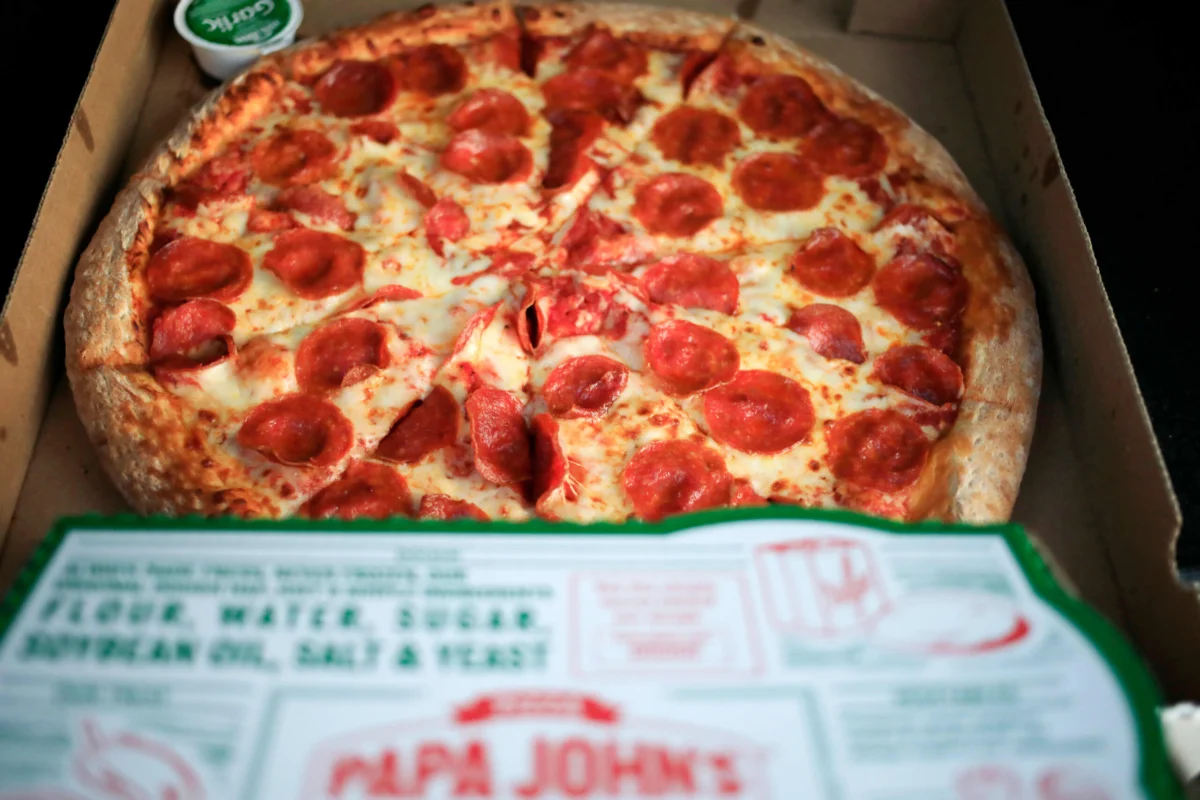
Major pizza chains, once bastions of American fast-food consumption, are confronting an unprecedented array of challenges that are significantly weighing on their sales and market valuations. A confluence of factors, including weakened consumer spending amidst persistent inflation, an increasingly diversified dining landscape fueled by third-party delivery platforms, and the burgeoning influence of GLP-1 weight-loss medications, has created a formidable headwind for industry giants such as Domino’s Pizza, Papa John’s, Little Caesars, and Pizza Hut. This complex dynamic marks a notable shift from the industry’s pandemic-era boom, forcing these companies to rapidly adapt or risk further market erosion.
The Post-Pandemic Reckoning: From Boom to Bust
The onset of the COVID-19 pandemic in early 2020 paradoxically ushered in a golden age for pizza delivery services. With dining rooms shuttered and consumers confined to their homes, the convenience and comfort of a delivered pizza made these chains indispensable. Companies like Domino’s and Papa John’s reported robust sales growth as households turned to easy, accessible meal options. This period saw significant investment in digital ordering systems and delivery infrastructure, solidifying their market dominance in a temporarily restricted dining environment.
However, the reopening of economies and the gradual return to pre-pandemic routines presented an entirely new set of hurdles. As dining rooms across the restaurant industry reopened and consumers rediscovered a wider range of culinary experiences, the competitive landscape intensified dramatically. The initial surge in demand for pizza delivery began to wane, leaving chains to battle for a share of a market that had fundamentally changed. Consumers, now more accustomed to the convenience of delivery, also had a significantly expanded universe of options available at their fingertips, thanks to the widespread adoption and expansion of third-party delivery aggregators like DoorDash and Uber Eats. This ease of access meant that a family deciding on takeout was no longer limited to pizza or traditional Chinese food but could readily choose from virtually any restaurant type, from gourmet burgers to ethnic cuisines, directly impacting pizza’s traditional share of stomach.
Economic Headwinds and the Quest for Value
A primary driver of the current struggles is the persistent pressure on consumer discretionary spending. Elevated inflation rates across various sectors, from groceries to gasoline, have forced households to scrutinize their budgets more closely. For many, dining out or ordering takeout represents a discretionary expense that is often curtailed during periods of economic uncertainty. In this environment, the perception of value becomes paramount. Consumers are not just looking for the cheapest option but are increasingly demanding higher food quality and a superior overall customer experience when they do decide to spend their hard-earned money on restaurant meals.
This value-driven mindset has led to a significant contraction in the physical footprint of pizza establishments across the United States. According to data compiled by Datassential, the number of U.S. pizza restaurants peaked at 83,035 nationwide in August 2019. By July 2026, over 9,600 pizzerias had shuttered their doors, reflecting a stark 11.6% decline in locations. This contraction signals a broader "pizza fatigue" and mirrors challenges facing the wider restaurant industry, where rising operational costs and intense competition have thinned the ranks of both independent operators and chain locations.
The financial repercussions are evident in recent sales figures. Technomic data for 2025 revealed a 0.3% decline in sales across all U.S. pizza restaurants. Independent pizzerias saw a slightly larger dip of 0.4%, while chains, which collectively account for approximately two-thirds of the domestic pizza category sales, experienced a 0.3% revenue shrinkage. While these figures might seem modest, they represent a significant reversal from the growth trajectories seen during the pandemic and indicate a saturated market fighting for every dollar.
Divergent Fortunes Among the Big Players
Within the struggling sector, individual performances varied, highlighting different strategies and market positions. In 2025, Papa John’s reported a 2.5% decline in North American same-store sales, indicating a struggle to retain customer loyalty and market share. Pizza Hut fared even worse, with its U.S. same-store sales falling by a significant 5%. In contrast, Domino’s Pizza, the dominant player in the category, managed to post a modest 3% increase in annual U.S. same-store sales, distinguishing itself as the only publicly traded pizza chain to achieve growth last year. This resilience for Domino’s is often attributed to its robust delivery infrastructure, early adoption of technology, and a generally consistent value proposition.
However, even Domino’s relative success pales in comparison to the broader market. Since March 2020, Papa John’s stock has plummeted by roughly two-thirds of its value, reflecting deep investor concern over its future trajectory. Domino’s shares, despite their sales growth, have seen gains of only about 2% over the same period. This contrasts sharply with the S&P 500, which surged approximately 150% during the same timeframe, underscoring how significantly pizza stocks have underperformed the general market.
The most dramatic corporate maneuver signaling distress in the sector was Yum Brands’ decision to divest Pizza Hut. In June of this year, Yum Brands, the parent company of KFC and Taco Bell, sold Pizza Hut to private equity firm LongRange Capital and Yum China for an estimated $2.7 billion. This strategic move came after two decades of largely stagnating sales for the pizza chain, which had increasingly become a drag on Yum Brands’ overall portfolio. As Wells Fargo analyst Zachary Fadem noted in a September research note, "Pizza Hut has been a detractor for YUM… Going forward, YUM won’t be tripped up by pizza category dynamics (discounting, etc.), translating to stronger growth and higher concentration in higher growth industry segments and markets." This divestment underscores the intensity of the challenges facing the pizza category and the strategic decisions companies are making to optimize their portfolios.

The Price of Convenience and New Competitors
The competitive landscape for pizza chains has broadened far beyond traditional rivals. Third-party delivery platforms, while offering reach, have simultaneously commoditized the delivery experience, forcing pizza chains to contend with an ever-expanding roster of fast-food giants. McDonald’s, Chick-fil-A, and other quick-service restaurants, now readily available through DoorDash and Uber Eats, offer diverse menus that appeal to a wider range of tastes and dietary preferences, directly siphoning orders that might once have gone to pizza.
Moreover, the average cost of a large cheese pizza has steadily climbed, reaching almost $17 in 2026, according to the PMQ Pizza’s 2026 Pizza Power Report. This rising price point makes pizza a less appealing option for budget-conscious diners, especially when compared to readily available, cheaper alternatives. Frozen pizza, for instance, offers a convenient and significantly more affordable meal solution. Retail sales of single- and multi-serve frozen pizza surged by 2.9% in the 52 weeks ending November 7, compared to the same period in 2022, according to NielsenIQ data. David Portalatin, a food and food service industry advisor for Circana, succinctly captured this sentiment: "When the American consumer is focused on the least expensive eating occasion, the items that are in my pantry, my refrigerator and my freezer win every single time."
Beyond grocery aisles, convenience stores have emerged as unexpected contenders. Chains like Casey’s General Stores have successfully captured market share by offering hot, ready-to-eat pizza at highly competitive price points. Bank of America Securities analyst Sara Senatore highlighted this advantage, stating that Casey’s can "offset food pressures with margins," suggesting that their business model allows them to navigate inflationary environments more effectively than traditional quick-service restaurants. Senatore further noted that the geographic overlap of Casey’s locations with established pizza chains implies that the convenience store giant is actively "stealing share from Pizza Hut."
The GLP-1 Factor and Shifting Nutritional Paradigms
Perhaps one of the most intriguing and potentially disruptive long-term challenges for the pizza industry stems from a fundamental shift in consumer health priorities and the dramatic rise of GLP-1 medications. Drugs like Ozempic and Wegovy, originally developed for diabetes management but now widely prescribed for weight loss, work by mimicking a hormone that regulates appetite and satiety. Users often report feeling fuller faster, experiencing reduced cravings, and generally consuming smaller portions, particularly of high-fat and high-carbohydrate foods. Given pizza’s inherent composition—rich in dough (carbohydrates) and cheese (fat)—it presents a less appealing option for individuals actively managing their caloric and macronutrient intake with GLP-1s.
A 2026 survey published by PwC underscored this impact, revealing that spending on pizza quick-service restaurants fell by a substantial 22.2% per GLP-1 household after six to eight months of using the medications. This data points to a looming structural challenge for the industry, as the adoption of GLP-1 drugs continues to grow.
Beyond the specific impact of these medications, the broader consumer trend towards healthier eating and increased awareness of nutritional content has left many big pizza chains struggling to adapt. Diners are increasingly prioritizing protein, fresh ingredients, and customizable options that align with various dietary preferences. Yet, major pizza chains have been slow to innovate in this area. For example, among the four largest chains, Papa John’s is noted for having only tested a pizza crust with added protein—and that test was limited to a single day at one Atlanta restaurant. This minimal effort highlights a broader industry inertia in responding to evolving consumer demands for more nutritious and balanced meal options.
Resilience and Adaptation: The Path Forward
Despite the formidable challenges, industry experts maintain that pizza is far from facing an existential crisis. David Portalatin of Circana notes that total pizza servings are down only about 1% this year, suggesting that while specific segments are struggling, the overall category retains significant consumer affection. "Pizza’s not going anywhere," Portalatin affirmed, "The American consumer loves pizza."
This enduring appeal provides a foundation for the industry’s ongoing efforts to reverse the downturn in servings and sales. Major chains are actively implementing new strategies to recapture market share and adapt to the changing landscape:
- Domino’s: In August, the company launched "The Domino," a customizable Detroit-style personal pizza. This move aims to attract solo diners and cater to individual preferences, a shift from the traditional large, shareable pie. It also signals an attempt to diversify its product offering beyond its classic hand-tossed and thin-crust options.
- Papa John’s: In November, the company unveiled a comprehensive turnaround plan. This strategy focuses on improving food consistency across its vast network and enhancing restaurant operations, acknowledging that a strong core product and reliable service are fundamental to customer satisfaction and repeat business. This suggests a back-to-basics approach to shore up its foundation.
- Pizza Hut: Following its divestment, the chain has been observed running various promotional holiday-themed meal deals, likely an effort to stimulate demand and re-engage customers with value-driven offers under its new ownership. This could be part of a broader strategy by LongRange Capital to revitalize the brand through aggressive marketing and pricing.
The future success of big pizza chains will hinge on their ability to innovate beyond traditional offerings and embrace the nuanced demands of the modern consumer. This could involve developing more diverse crust options, incorporating healthier toppings and plant-based alternatives, exploring smaller, customizable portion sizes, and enhancing the digital ordering and loyalty experience. Integrating technology to streamline operations and personalize customer interactions will also be crucial. While the challenges are significant and multi-faceted, the inherent appeal of pizza, combined with strategic adaptation, suggests a path forward, albeit one that requires a profound reevaluation of long-held business models and a proactive embrace of evolving consumer lifestyles and preferences. The coming years will be a definitive test of the industry’s resilience and capacity for transformation.
