

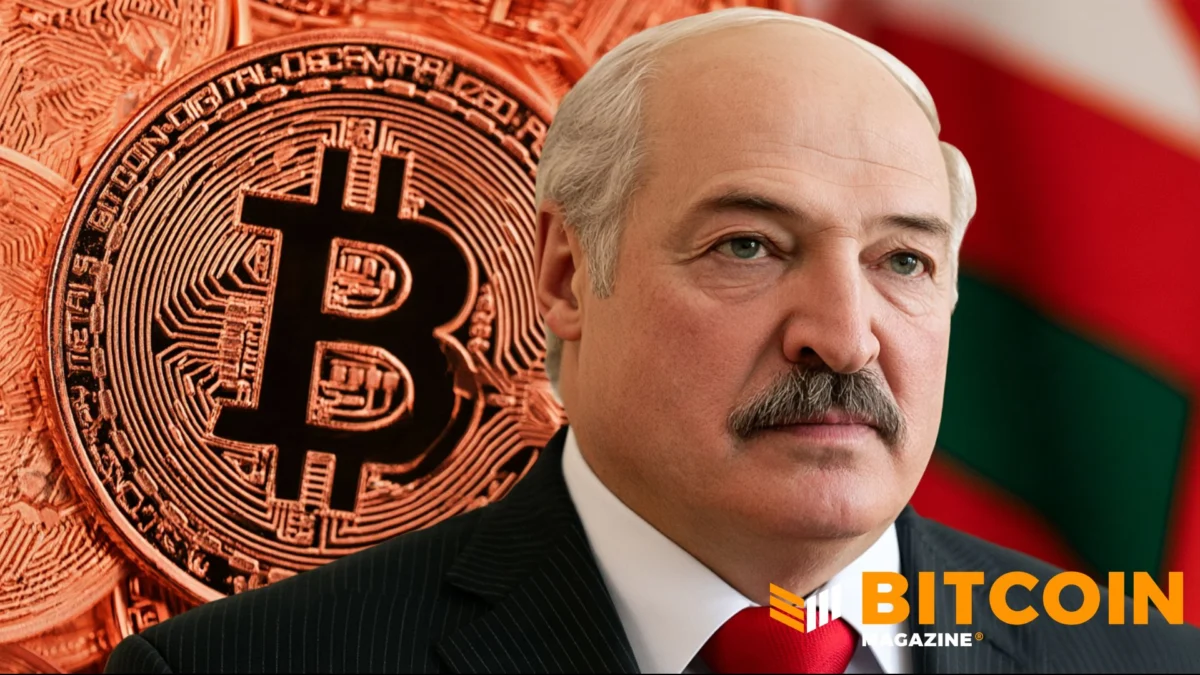
Belarus has officially opened the doors to its first crypto banks, a landmark development that signals the nation’s deepening commitment to integrating digital assets into its financial infrastructure. This pioneering move follows the establishment of a comprehensive legal framework for crypto banking earlier this year, positioning Belarus as a significant player in the evolving global cryptocurrency landscape. The newly accredited institutions are poised to commence operations, marking a new era for financial services within the European nation.
Genesis of a Digital Financial Ecosystem
The advent of crypto banks in Belarus is the culmination of a deliberate and strategic effort by the government to foster innovation in the financial sector. In January of this year, Belarusian President Alexander Lukashenko signed Decree No. 19, officially titled “On Cryptobanks and Certain Issues of Control in the Field of Digital Tokens.” This pivotal decree laid the essential legal groundwork, providing a clear regulatory pathway for the establishment and operation of entities dedicated to cryptocurrency services. Prior to this decree, the legal status and operational parameters for such institutions remained largely undefined, presenting a significant barrier to entry and growth.
The National Bank of Belarus, the country’s central banking authority, is overseeing the accreditation process for these new financial entities. The confirmation of the first two crypto banks marks a tangible outcome of this regulatory initiative. According to reports from the Russian news agency Interfax, these institutions will begin their operations only after receiving the necessary approvals and accreditations from the National Bank, ensuring compliance with established financial standards and security protocols.
The press service of the High-Tech Park (HTP), a specialized economic zone in Belarus known for its favorable tax and legal regime for technology companies and digital asset operations, highlighted the significance of this development. A statement released by the HTP declared, "The practical outcome of today’s discussion is the launch and registration of the first crypto banks in the country’s history." This underscores the HTP’s central role in facilitating the growth of the digital economy within Belarus. The HTP operates under a framework that permits and encourages digital asset transactions, making it a natural incubator for such innovative financial ventures.
Dmitry Kalechits, first deputy director of the High-Tech Park supervisory board secretariat, expressed optimism about the potential impact of these new crypto banks. He stated that the move is expected to "improve the flow of the financial ecosystem" and serve as a catalyst for attracting substantial foreign investment into Belarus. By offering specialized banking services tailored to the digital asset market, Belarus aims to position itself as an attractive destination for both domestic and international investors seeking to engage with cryptocurrencies and related technologies.
A Phased Approach to Crypto Adoption
Belarus’s journey toward embracing cryptocurrencies has been a gradual but consistent one, characterized by a series of legislative and policy initiatives designed to create a conducive environment for digital assets. The groundwork for the current developments was significantly strengthened by a decree issued in September of the previous year, when President Lukashenko publicly endorsed the National Bank’s proposal to establish crypto banks. This presidential backing provided crucial momentum and signaled a high-level commitment to the sector.
The roots of Belarus’s pro-crypto stance can be traced back to 2017. In that year, a landmark decree effectively legalized cryptocurrency mining and trading. Crucially, it also introduced temporary exemptions for individuals on taxes and declarations related to their cryptocurrency income. This policy was a bold move at the time, aiming to encourage early adoption and participation in the burgeoning crypto economy. The exemption, initially set to expire, was subsequently extended until 2025. However, the landscape has evolved, and the scope of these exemptions has been refined. Income derived from foreign cryptocurrency platforms is now subject to a 13% tax rate, reflecting a more nuanced approach to revenue generation and regulation.
President Lukashenko has consistently promoted Bitcoin mining as a strategic utilization of Belarus’s surplus electricity capacity. This vision has translated into tangible actions. In 2025, the Mogilev region, a significant industrial hub, began actively preparing sites for the development of large-scale mining farms, a project undertaken with the explicit backing of the president. This initiative highlights Belarus’s strategy to leverage its energy resources for economic gain through the cryptocurrency sector, positioning it as a potential hub for energy-intensive crypto operations.
The Role of the High-Tech Park and National Bank
The High-Tech Park (HTP) plays an instrumental role in shaping Belarus’s digital economy. Established in 2005, the HTP offers a unique legal and fiscal regime designed to attract IT companies and foster innovation. Companies operating within the HTP benefit from significant tax incentives, including reduced income tax rates and simplified administrative procedures. This environment has proven fertile ground for the development of the country’s technology sector, and its extension to encompass digital assets has been a logical progression.
Under the new regulatory framework, the crypto banks will be subject to dual oversight from both the High-Tech Park and the National Bank of Belarus. This collaborative regulatory approach aims to ensure that these new financial institutions adhere to stringent international standards for financial stability, consumer protection, and anti-money laundering (AML) and know-your-customer (KYC) regulations. The HTP will likely focus on the specific operational aspects related to digital assets and blockchain technology, while the National Bank will bring its expertise in broader financial regulation, monetary policy, and systemic risk management.
The accreditation process involves a rigorous evaluation of the applicants’ business plans, capital adequacy, technological infrastructure, and compliance frameworks. The National Bank’s approval signifies that these entities have met the necessary criteria to operate safely and soundly within the Belarusian financial system.
Potential Implications and Future Outlook
The launch of crypto banks in Belarus carries significant implications for both the domestic and international financial spheres.
- Integration of Traditional and Digital Finance: This move represents a concrete step towards bridging the gap between traditional banking systems and the rapidly evolving cryptocurrency industry. By creating regulated entities that can handle both fiat and digital currencies, Belarus is fostering an environment where traditional financial services can more seamlessly interact with the crypto ecosystem. This could lead to the development of new financial products and services that cater to a wider range of customer needs, from individual investors to institutional players.
- Attraction of Foreign Investment: The establishment of a clear legal framework and the licensing of crypto banks are expected to significantly boost foreign investment. International investors and businesses looking to engage with the crypto market in Eastern Europe may find Belarus to be an increasingly attractive and stable jurisdiction. The HTP’s established reputation and the National Bank’s regulatory oversight provide a degree of assurance that is often sought by foreign capital.
- Economic Diversification: For Belarus, this initiative represents a strategic effort towards economic diversification. By embracing cutting-edge financial technologies, the country aims to reduce its reliance on traditional industries and create new avenues for economic growth and job creation in the high-tech sector.
- Regional Leadership: Belarus’s proactive stance on crypto banking could position it as a regional leader in digital finance. As other countries continue to grapple with the regulatory challenges posed by cryptocurrencies, Belarus’s established framework may serve as a model or a point of reference.
- Challenges and Opportunities: While the outlook is positive, challenges remain. The successful integration of crypto banks will depend on robust cybersecurity measures, ongoing regulatory adaptation to technological advancements, and the ability to attract and retain skilled talent in the fintech sector. Furthermore, the global regulatory landscape for cryptocurrencies is still maturing, and Belarus will need to remain agile in its approach to ensure continued compliance and competitiveness.
The journey of these first crypto banks in Belarus will be closely watched by financial institutions, regulators, and crypto enthusiasts worldwide. Their success could pave the way for similar developments in other jurisdictions, accelerating the global adoption of digital assets and reshaping the future of finance. The decree signed by President Lukashenko, and the subsequent accreditation of these pioneering institutions, represent a bold vision for a more digitally integrated and innovative financial future for Belarus. The integration of these crypto banks into the national financial ecosystem is not merely a technological advancement but a strategic economic maneuver, aimed at leveraging the potential of digital assets to drive growth, attract investment, and position Belarus at the forefront of financial innovation in the region.
