

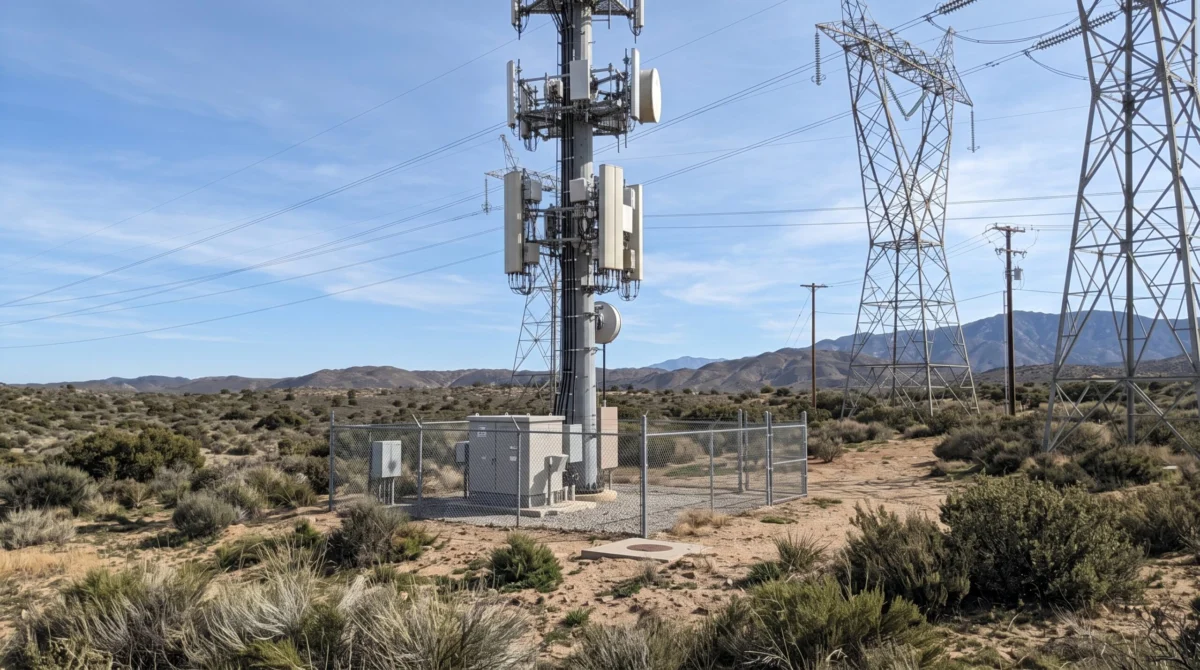
Avista, a major energy utility serving the Pacific Northwest, has officially selected Heddian to spearhead the modernization of its field communications network, marking a significant shift in how critical infrastructure operators approach connectivity. The partnership, announced in early October, aims to address the growing complexities of grid management by deploying a hybrid wireless architecture that integrates the expansive reach of commercial cellular networks with the rigorous security and operational control of private LTE infrastructure. This strategic move comes as utilities across North America face mounting pressure to optimize existing grid capacity and enhance resilience against both physical and cyber threats. By leveraging Heddian’s integrated solutions, Avista is positioning itself to manage a service territory that spans approximately 34,000 square miles, covering eastern Washington, northern Idaho, and portions of Oregon.
The transition to a hybrid communication model represents a departure from traditional utility strategies, which often forced a choice between the high capital expenditure of entirely private networks or the potential security and reliability trade-offs of public commercial carriers. Avista’s new architecture utilizes a private core provided by Druid Software and Heddian’s proprietary UtiliSIM technology, allowing the utility to maintain a "best-of-both-worlds" scenario. This framework ensures that critical grid-edge applications—those requiring the highest levels of reliability and low latency—can operate on private LTE assets, while less sensitive data can utilize existing commercial footprints where coverage is already robust.
The Evolution of Utility Communication Frameworks
For decades, utilities relied on point-to-point radio systems or leased lines to monitor remote equipment. However, the rise of the "smart grid" and the decentralization of energy resources have necessitated a more flexible and high-bandwidth approach. In the case of Avista, the geographic diversity of its service area presented a unique challenge. With a customer base of approximately 418,000 electric and 382,000 natural gas customers spread across rugged terrain and urban centers, a one-size-fits-all networking solution was deemed impractical.
Heddian CEO Joe Walsh emphasized that the hybrid model is designed to meet utilities at their current stage of technological maturity. The economics of building a fully private network, which involves constructing towers, securing backhaul, and managing spectrum across thousands of miles, are often prohibitive. Walsh noted that the hybrid approach prevents utilities from letting "the perfect be the enemy of the good," allowing for immediate functional improvements while preserving the option to expand private infrastructure as budgets and operational needs evolve.
This incremental scalability is a core feature of the Avista deployment. Because the authentication and routing of data are handled through a core network controlled by the utility, adding private cell sites in the future does not require a complete overhaul of the system. Instead, new private assets simply extend the existing network, providing a seamless transition path toward full private LTE if or when it becomes necessary.
Technical Integration and Legacy Infrastructure Support
One of the primary hurdles in grid modernization is the integration of new technology with legacy systems without disrupting essential services. Avista’s field operations rely on a vast array of devices, many of which are currently tied to carrier retail contracts. Heddian’s design incorporates OneLayer security protocols to provide immediate visibility and protection for these existing devices on commercial networks. This "bridge" strategy allows Avista to secure its current fleet of IoT devices while simultaneously migrating them to the hybrid network.
The migration process is centered on the UtiliSIM, a specialized SIM card that offers over-the-air (OTA) update capabilities. Traditionally, changing a network provider or upgrading a device’s communication protocol required a "truck roll"—sending a technician to a physical site to manually swap components. In a territory as vast as Avista’s, the cost of truck rolls can quickly undermine the business case for modernization. The UtiliSIM eliminates this burden by allowing the utility to remotely change which networks a device utilizes, effectively moving devices from public to private LTE as the infrastructure becomes available.
Furthermore, the Druid core acts as the central intelligence of the network. Unlike standard commercial setups where authentication happens on the carrier’s core, Avista’s traffic is routed through its own controlled environment. This ensures that the utility maintains absolute authority over which devices are permitted to connect and how their data is prioritized, a critical requirement for maintaining the integrity of the power grid.

Strengthening Grid Capacity and Regulatory Compliance
While the addition of bandwidth does not inherently increase the physical capacity of power lines, it provides the "nervous system" necessary to manage that capacity more efficiently. Secure and reliable communications allow utilities to monitor equipment health and load in real-time. By having high-resolution data on how heavily transformers or substations are being taxed, Avista can operate closer to the actual limits of its hardware with a higher degree of confidence. This granular control reduces the need for "margin of error" buffers, effectively unlocking existing grid capacity that was previously inaccessible due to data gaps.
This enhanced visibility is also crucial for meeting stringent regulatory requirements. The North American Electric Reliability Corporation (NERC) has introduced standards such as PRC-028, which mandates the monitoring and reporting of disturbances related to inverter-based resources (IBRs), such as wind and solar farms. As more renewable energy is integrated into the grid, the volatility of power flows increases, requiring faster and more reliable data transmission to maintain stability.
Additionally, the Federal Energy Regulatory Commission (FERC) and NERC are currently developing new standards to address the massive power demands of data centers and industrial-scale loads. These standards are expected to require increased data-sharing and real-time monitoring between utilities and large-scale consumers. A hybrid network provides the necessary throughput to handle these high-resolution data streams, ensuring that Avista can remain compliant with evolving federal mandates while supporting the growth of regional industry.
Chronology of the Modernization Initiative
The partnership between Avista and Heddian is the result of a multi-year evaluation of field communication needs. The timeline of this modernization effort reflects a broader industry trend toward "Communications-as-a-Service" (CaaS) for critical infrastructure:
- Initial Assessment (2022-2023): Avista conducted a comprehensive review of its existing field communications, identifying gaps in coverage and security within its legacy point-to-point and public-only systems.
- Architecture Selection (Early 2024): After evaluating various models, the utility determined that a hybrid approach offered the most favorable balance of cost, control, and rapid deployment.
- Partnership Announcement (October 2024): Avista officially selected Heddian to implement the hybrid private wireless architecture, utilizing Druid Software for the core and OneLayer for device-level security.
- Phased Rollout (2024-2025): The deployment begins with the installation of the private core and the distribution of UtiliSIMs to critical field devices. This phase focuses on establishing visibility across the commercial footprint while identifying high-priority areas for private LTE expansion.
- Long-term Optimization (Ongoing): As private LTE assets are deployed in remote or high-security zones, the network will automatically shift traffic from public carriers to private infrastructure, guided by the utility-controlled core.
Broader Impact on the Utility Sector
The Avista-Heddian collaboration serves as a blueprint for other utilities grappling with the dual challenges of aging infrastructure and the energy transition. Industry analysts suggest that the "private-only" vs. "public-only" debate is increasingly viewed as a false dichotomy. Instead, the focus is shifting toward "integrated connectivity," where the network is treated as a strategic asset rather than a utility expense.
By adopting a hybrid model, utilities can mitigate the risks associated with public network congestion during emergencies. In the event of a natural disaster or a mass-market cellular outage, a hybrid network can prioritize utility traffic on private bands or switch to pre-negotiated failover paths. This level of resilience is essential for maintaining grid stability during the very moments when communication is most critical.
Moreover, the use of a private core and specialized security layers like OneLayer addresses the growing threat of cyber warfare targeting the energy sector. By isolating grid traffic from the general internet and implementing device-level authentication, utilities can significantly reduce their attack surface.
Conclusion and Future Outlook
As Avista moves forward with its field communications modernization, the energy industry will likely watch closely to measure the tangible benefits of this hybrid approach. The ability to enhance grid capacity through better data, comply with increasingly complex NERC/FERC regulations, and maintain operational control without astronomical capital investments represents a significant step forward in utility management.
The partnership with Heddian underscores a fundamental shift in the utility business model: the recognition that modern power delivery is as much about moving data as it is about moving electrons. In an era defined by the rapid expansion of electric vehicles, data centers, and renewable energy, the "hybrid journey" undertaken by Avista may soon become the standard roadmap for critical infrastructure operators nationwide. Through strategic integration and a commitment to meeting the grid "where it is," Avista and Heddian are demonstrating that the path to a smarter, more resilient energy future is built on a foundation of flexible, secure, and scalable communications.
