

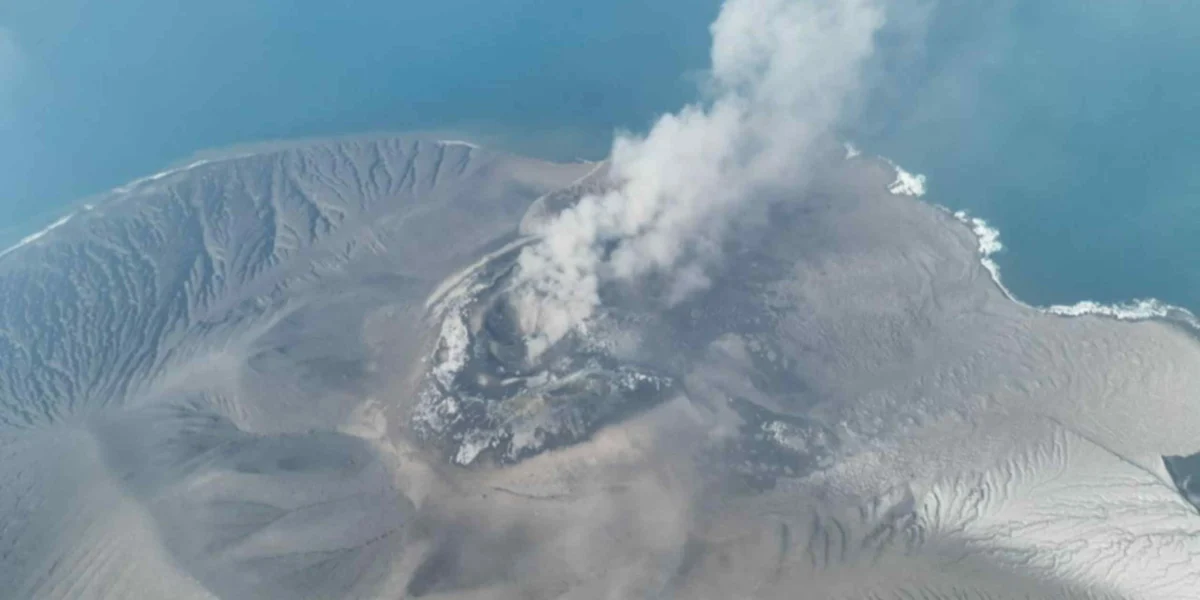
JAKARTA — Several airports across Indonesia, including Jakarta’s two principal international gateways, remain shut for a second consecutive day on Monday, September 7, 2026, in the wake of repeated and significant eruptions from the Anak Krakatau volcano. The active stratovolcano, situated in the Sunda Strait that separates the islands of Java and Sumatra, has unleashed substantial ash plumes, leading to widespread disruption for an estimated 341,000 passengers whose travel plans have been irrevocably altered. The ongoing volcanic activity has forced authorities to prioritize safety, grounding flights and prompting a cascade of cancellations and diversions that are rippling through the nation’s vital air transport network.
Escalating Volcanic Activity and Airspace Closure
The closure of airports, notably Soekarno-Hatta International Airport (CGK) in Jakarta and Halim Perdanakusuma International Airport (HLP), signifies the severity of the ash dispersal. Volcanic ash, composed of fine rock particles, glass, and minerals, poses a severe threat to aircraft engines. When ingested, the abrasive ash can melt at high temperatures within the engine, solidify on internal components, and lead to catastrophic engine failure. Consequently, aviation authorities have a zero-tolerance policy for flying through ash clouds, necessitating the extensive airspace closures. The eruptions, which began with notable intensity on Saturday, September 5, have continued intermittently, with the most significant plumes observed on Sunday and early Monday, forcing a sustained shutdown of air traffic.
The Indonesian Center for Volcanology and Geological Hazard Mitigation (PVMBG) has been diligently monitoring Anak Krakatau’s seismic activity and issuing regular updates. Reports from the PVMBG indicate an increase in volcanic tremors and explosive events, consistent with a heightened state of unrest. The height of the ash columns has been a critical factor in determining the extent of the airspace closures, with some plumes reportedly reaching altitudes of over 15,000 feet, directly impacting common flight paths.
A Chronology of Disruption
The current phase of significant eruption activity at Anak Krakatau can be traced back to the early hours of Saturday, September 5, 2026. Initial reports from local communities and monitoring stations indicated a marked increase in seismic activity, followed by intermittent ash emissions.
September 5, 2026:
- Morning: PVMBG notes elevated seismic activity and increased gas emissions from Anak Krakatau.
- Afternoon: Minor ash plumes begin to be observed. Local authorities issue advisories to nearby coastal communities.
- Evening: A more substantial eruption occurs, sending ash columns to moderate altitudes. Air traffic control begins to assess potential impacts.
September 6, 2026:
- Early Morning: Anak Krakatau experiences a series of more forceful eruptions, with ash plumes reaching significant heights.
- Morning: Aviation authorities, in consultation with PVMBG, decide to close Soekarno-Hatta International Airport (CGK) and Halim Perdanakusuma International Airport (HLP) due to the widespread ash dispersal. Other regional airports in affected areas also initiate closures.
- Throughout the Day: Widespread flight cancellations and diversions are reported across Indonesia. Passengers face significant delays and uncertainty. Thousands are stranded.
September 7, 2026:
- Morning: Eruptions continue, though possibly with slightly reduced intensity in some periods.
- Morning/Afternoon: Airport closures are extended for at least another 24 hours, affecting an estimated 341,000 passengers. Airlines begin re-routing flights where possible, but the primary routes remain compromised.
- Evening: Authorities confirm that monitoring will continue, with decisions on reopening airports to be made on a dynamic basis depending on volcanic activity and ash cloud movement.
This timeline highlights the rapid escalation of the event and the immediate, severe impact on the nation’s air travel infrastructure. The decisions to close airports are not taken lightly, given the economic implications, but the paramount concern for passenger and crew safety dictates such measures.
Supporting Data and Context: Anak Krakatau’s Volatile History
Anak Krakatau, which translates to "Child of Krakatoa," is a volcanic island that emerged in the caldera of the catastrophic 1883 eruption of Krakatoa. This historical event was one of the most violent volcanic eruptions in recorded history, causing tsunamis that killed tens of thousands of people and significantly altering global climate patterns for several years. The current Anak Krakatau volcano, born from the remnants of its parent, has been in a state of intermittent activity since its formation.
- Volcanic Explosivity Index (VEI): While the current eruption’s VEI is still being assessed by volcanologists, historical eruptions of Anak Krakatau have ranged from low to moderate. However, even moderate eruptions can produce ash plumes capable of grounding aircraft. The 2018 flank collapse of Anak Krakatau, which triggered a devastating tsunami, serves as a stark reminder of the island’s inherent instability and potential for destructive events.
- Ash Cloud Trajectory: The prevailing wind patterns over the Sunda Strait play a crucial role in determining the extent and duration of ash dispersal. In this instance, the winds have directed the ash plumes towards the heavily populated island of Java, directly impacting major air corridors. Meteorological data is continuously analyzed to predict the movement of ash clouds and inform aviation decisions.
- Seismic Activity: PVMBG data often reports on the number and intensity of volcanic tremors, which are indicative of magma movement beneath the surface. An increase in long-period tremors and volcanic earthquakes typically signals an elevated risk of eruption.
Official Responses and Public Safety Measures
The Indonesian government, through its relevant agencies, has been actively managing the crisis. The Ministry of Transportation, in coordination with the Directorate General of Civil Aviation and the PVMBG, is at the forefront of decision-making regarding airspace closures and flight operations.
- Ministry of Transportation: Issued official directives for the closure of affected airports and is coordinating with airlines to manage passenger welfare, including potential rebooking and accommodation where feasible.
- PVMBG: Continues to provide real-time monitoring and hazard assessments. Their scientists are working tirelessly to interpret seismic data, visual observations, and satellite imagery to forecast volcanic activity.
- Local Disaster Mitigation Agencies (BPBD): Are on alert in coastal areas around the Sunda Strait, ready to implement evacuation procedures if there is any indication of further tsunami risk or significant ashfall impact on ground communities.
- Airlines: Major Indonesian carriers, including Garuda Indonesia, Lion Air, and Citilink, have issued statements detailing flight cancellations and rebooking policies. They are working closely with aviation authorities to reschedule flights as soon as it is deemed safe to do so.
In addition to air travel, authorities are also monitoring potential impacts on maritime traffic in the Sunda Strait, as ashfall can reduce visibility and pose navigational hazards.
Broader Impact and Implications
The prolonged closure of major Indonesian airports has far-reaching consequences beyond the immediate disruption to individual travelers.
- Economic Impact: The aviation sector is a critical component of Indonesia’s economy, facilitating tourism, business, and trade. Extended airport closures lead to significant financial losses for airlines, airports, and related businesses, including hotels, tour operators, and ground transportation services. The disruption also impacts the supply chain for goods that rely on air freight.
- Tourism Sector: Indonesia is a popular tourist destination, and disruptions to air travel can deter visitors and impact the livelihoods of those dependent on the tourism industry. The current situation could lead to a decline in tourist arrivals and revenue.
- Connectivity and Logistics: As an archipelago nation, air travel is vital for connecting different parts of Indonesia. Prolonged closures can disrupt essential services, the movement of personnel, and the delivery of critical supplies, particularly to more remote islands.
- Public Perception and Preparedness: Events like this underscore the importance of robust disaster preparedness and communication strategies. Effective dissemination of information from official sources is crucial to manage public anxiety and ensure safety. The recurring nature of volcanic activity in Indonesia also highlights the need for ongoing investment in monitoring technology and public education.
The situation at Anak Krakatau serves as a potent reminder of the dynamic geological forces at play in Indonesia and the critical need for vigilance and preparedness in managing the impacts of natural disasters. As the eruptions continue, the focus remains on ensuring the safety of the public, particularly those in the aviation sector, while working towards a swift and safe return to normal operations once the volcanic threat subsides. The resilience of Indonesia’s infrastructure and its people will be tested as they navigate this ongoing challenge.
