

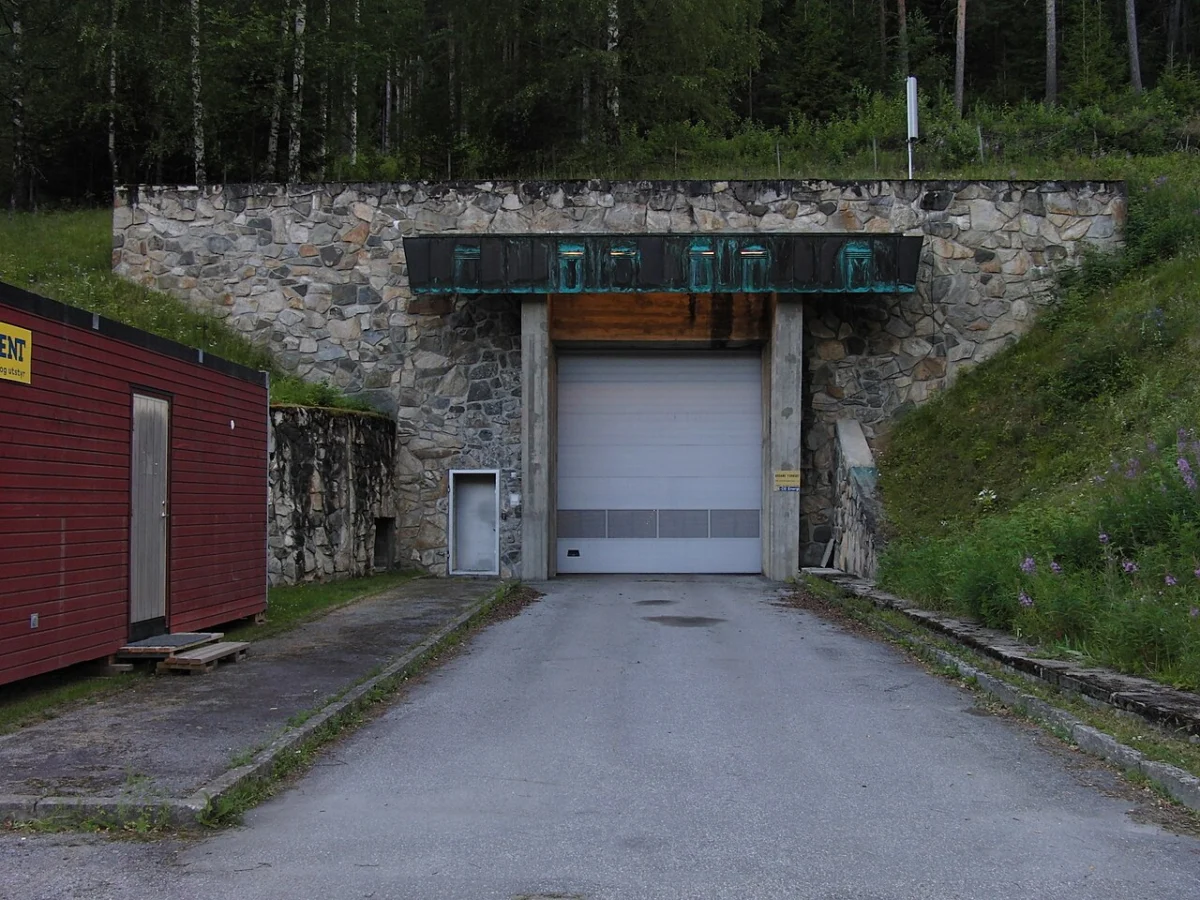
The Norwegian energy services giant Aker Solutions has officially been awarded a substantial contract by Hafslund Kraft for the comprehensive modernization of the Nes Power Station located in Buskerud, Norway. This project, described by both entities as one of the most significant hydropower upgrades in the nation’s history, represents a strategic pivot toward maximizing the efficiency of existing renewable energy infrastructure. The Nes Power Station, a cornerstone of the regional energy grid, currently operates with an installed capacity of 332 MW and produces approximately 1.5 TWh of electricity annually. Through this modernization program, the facility is expected to see a capacity increase of 80 MW and an annual production boost of roughly 37 GWh, while simultaneously extending the operational lifespan of the plant for several more decades.
Strategic Significance of the Nes Power Station Upgrade
The Nes Power Station is situated in the Hallingdal valley, a region vital to Norway’s hydroelectric output. Originally commissioned in 1970, the facility utilizes the water resources of the Hallingdalselva river system. As the plant approaches its sixth decade of operation, the necessity for a technological overhaul has become imperative to ensure both grid stability and the continued transition toward a decarbonized energy system.
The contract awarded to Aker Solutions is part of a broader trend within the Nordic energy sector to "repower" aging assets. Rather than constructing new dams—which often face significant environmental and regulatory hurdles—modernizing existing sites allows for substantial gains in energy output with a minimal additional environmental footprint. By increasing the capacity by 80 MW, the project essentially adds the equivalent of a medium-sized new power plant to the grid without the need for new watercourses or large-scale land disruption.
Jo Kjetil Krabbe, Executive Vice President for the Power Solutions segment at Aker Solutions, emphasized the importance of this partnership. He noted that by upgrading proven assets, the industry can unlock additional renewable energy production and increase the flexibility required to manage modern grid demands. The project is seen as a flagship endeavor for Aker Solutions as it continues to diversify its portfolio from traditional oil and gas services toward renewable energy and power solutions.
Technical Scope and Engineering Challenges
The modernization of the Nes Power Station is a complex engineering undertaking that involves both mechanical rehabilitation and digital transformation. The primary technical scope of the contract includes the replacement and modernization of the non-embedded turbine components for the plant’s four 83 MW Francis units.
Francis turbines are among the most widely used water turbines today, known for their efficiency across a wide range of water heads and flow rates. However, the internal components, including the runners, wicket gates, and stay vanes, are subject to wear, cavitation, and fatigue over decades of use. By replacing these non-embedded components with modern, aerodynamically optimized designs, Aker Solutions can significantly improve the hydraulic efficiency of each unit.
In addition to the turbine work, the project involves:
- Governor Control Systems: The upgrade of the governor control systems is critical for enhancing the responsiveness of the units. Modern governors allow for more precise control over turbine speed and power output, which is essential for frequency regulation in a grid that increasingly incorporates intermittent renewable sources like wind and solar.
- Main Inlet Valves: The rehabilitation of the main inlet valves is a vital safety and operational component. These valves control the flow of high-pressure water from the headrace tunnel into the turbines and must be capable of providing a tight seal and reliable operation under extreme pressure.
- Headrace Tunnel Optimization: One of the most significant challenges of the Nes modernization is the 30-kilometer headrace tunnel. This tunnel carries water from the reservoir to the turbines. Increasing the power capacity by 80 MW requires a higher flow of water through this existing infrastructure. To manage the hydraulic stresses and potential friction losses associated with increased flow, Aker Solutions will implement advanced modeling and monitoring.
Digital Twin Technology and Operational Optimization
A central feature of the modernization effort is the implementation of a "digital twin" of the Nes Power Station. A digital twin is a virtual representation of the physical plant that uses real-time data from sensors to simulate the behavior of the machinery and the water system.
In the context of hydropower, digital twins are revolutionary for predictive maintenance and operational optimization. For Nes, the digital twin will be particularly focused on the 30-km headrace tunnel and the interaction between the water flow and the upgraded turbines. By analyzing data-driven simulations, operators can identify the most efficient operating points, predict potential equipment failures before they occur, and manage the "water hammer" effect—pressure surges that can occur when water flow is suddenly changed.

Aker Solutions has a growing track record in hydropower digitalization. The company has previously implemented digital twin solutions at other major Norwegian stations, proving that data-driven insights can lead to significant reductions in downtime and maintenance costs. At Nes, this technology will be instrumental in ensuring that the 80 MW capacity increase does not compromise the structural integrity of the aging tunnel system.
Chronology and Project Timeline
The modernization of a facility as large and vital as the Nes Power Station cannot be performed overnight. To minimize the impact on Norway’s power supply, the work must be phased carefully.
- 2024: Commencement of the project, including initial engineering designs, site surveys, and the procurement of long-lead items.
- 2025–2030: The phased dismantling and replacement of components for the four Francis units. It is expected that the units will be upgraded one or two at a time to ensure the station remains partially operational during the construction period.
- 2031: Integration of the final digital twin systems and comprehensive testing of the upgraded governor controls and valves.
- 2032: Final delivery and full commissioning of the modernized station, marking the completion of the 80 MW capacity expansion.
This eight-year timeline reflects the meticulous nature of hydroelectric engineering, where precision is required to balance the physical constraints of the site with the ongoing energy needs of the region.
The Role of Hafslund Kraft in Norway’s Energy Future
Hafslund Kraft, the owner and operator of the Nes Power Station, is one of Norway’s largest power producers. The company’s decision to invest heavily in Nes aligns with the Norwegian government’s broader energy strategy. Norway currently generates approximately 90% of its electricity from hydropower, and as the nation moves toward a more electrified economy—including the decarbonization of its transport and industrial sectors—the demand for reliable, flexible power is projected to grow.
By upgrading Nes, Hafslund Kraft is securing its position in a competitive European energy market. Norwegian hydropower acts as a "green battery" for Europe, providing stable baseload power and balancing services to neighboring countries that rely on variable wind and solar energy. Increasing the capacity at Nes enhances this balancing capability, allowing Norway to export more power during periods of low renewable generation elsewhere in the North Sea region.
Economic and Environmental Implications
The modernization of Nes Power Station carries significant economic benefits. For Aker Solutions, the contract reinforces its standing in the renewable energy sector and provides long-term work for its specialized engineering teams in Norway. For the region of Buskerud, the project ensures continued tax revenue and employment opportunities related to the maintenance and operation of the plant.
From an environmental perspective, the project is a textbook example of "sustainable intensification." The 37 GWh of additional annual production is achieved without building new dams, flooding new valleys, or disrupting local ecosystems. This makes hydropower upgrades one of the most politically and environmentally palatable ways to meet climate targets. Furthermore, the increased efficiency of the turbines means that more energy is extracted from every cubic meter of water, maximizing the utility of a natural resource.
Industry analysts suggest that the Nes project may serve as a blueprint for other aging hydropower assets across Scandinavia and the Alps. As the European Union pushes for higher renewable energy targets through the RED III (Renewable Energy Directive), the focus is increasingly shifting toward optimizing existing infrastructure.
Conclusion: A Multi-Decade Legacy
The modernization of the Nes Power Station is more than just a mechanical upgrade; it is an investment in the long-term resilience of Norway’s energy system. By combining traditional heavy engineering with cutting-edge digital twin technology, Aker Solutions and Hafslund Kraft are ensuring that a facility built in the 20th century remains a vital asset well into the 21st century.
As the project progresses toward its 2032 completion date, it will likely be watched closely by the global hydropower community. The successful integration of 80 MW of new capacity into an existing framework, while managing the complexities of a 30-km tunnel and 50-year-old infrastructure, would represent a major milestone in renewable energy engineering. For Norway, the project is a clear signal that the nation intends to remain at the forefront of the global energy transition, leveraging its historic strengths in hydropower to power a cleaner, more efficient future.
