

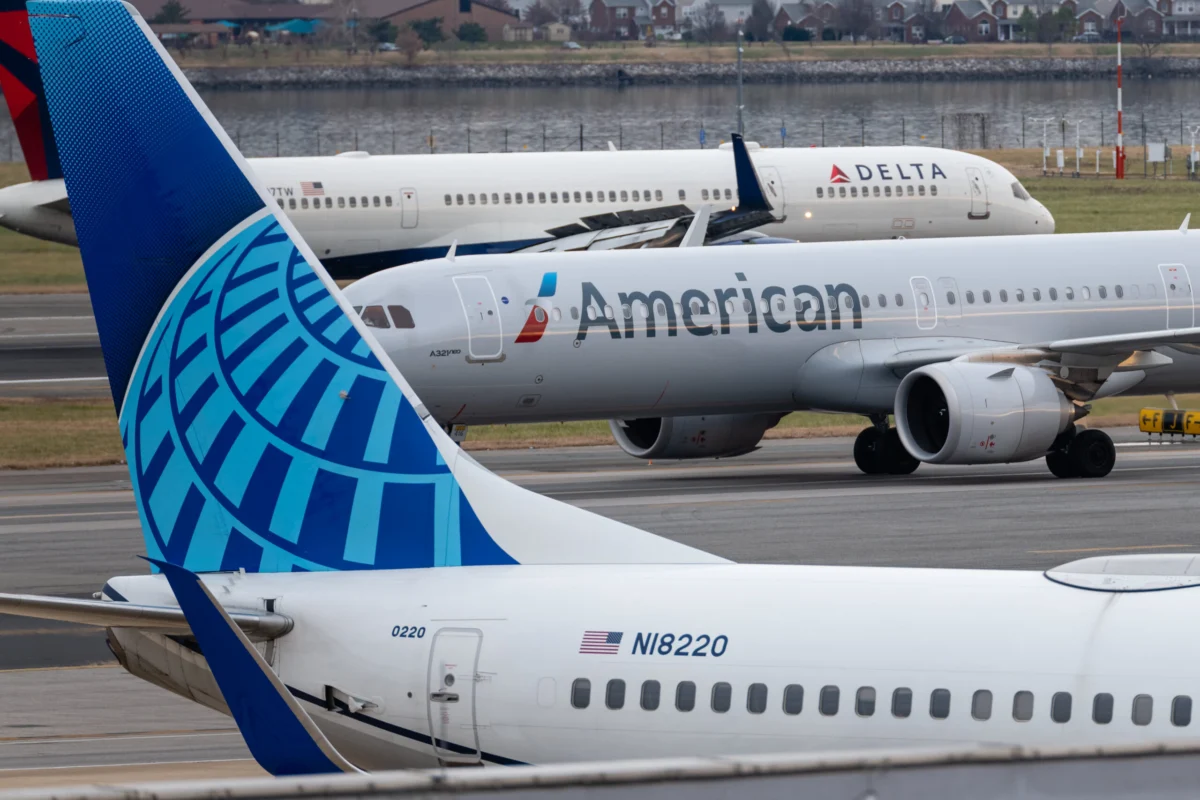
U.S. airlines have proactively waived change fees for flights scheduled from Friday through Sunday, a preemptive measure taken ahead of a formidable nor’easter that federal forecasters warn will unleash high winds and torrential rainfall, carrying a significant potential for dangerous flooding across the heavily populated Northeastern corridor. The decision underscores a heightened sense of caution within the aviation industry as a significant weather system approaches, threatening to disrupt travel for tens of thousands of passengers during a critical period.
As of early Friday morning, the immediate impact on air travel in the Northeast remained relatively minimal, with only a scattering of delays and a limited number of cancellations registered. This initial calm, however, belies the growing apprehension among meteorologists and airline operational planners regarding the storm’s anticipated escalation over the weekend. Carriers typically reserve large-scale flight cancellations for the most severe weather events, such as major winter blizzards or hurricanes, a strategy designed to safeguard passengers and crew while preventing aircraft from becoming stranded in adverse conditions. The current situation suggests that while airlines are closely monitoring the nor’easter’s evolving path and intensity, they are also preparing for a scenario that could necessitate significant operational adjustments. The waivers provide passengers with flexibility, a crucial offering given the uncertainty surrounding the storm’s precise trajectory and impact zones.
The Looming Nor’easter: A Detailed Forecast
A nor’easter is a macro-scale extratropical cyclone characterized by its counter-clockwise rotation, which brings winds from the northeast over coastal areas of the Atlantic seaboard, particularly in the Northeastern United States and Atlantic Canada. These storms are notorious for generating powerful winds, heavy precipitation (rain or snow, depending on temperature), and often significant coastal flooding and erosion. The system currently approaching is predicted to be a potent example, drawing moisture from the Atlantic Ocean and interacting with a cold air mass to create an intense weather event.
According to advisories issued by the National Weather Service (NWS) and the National Oceanic and Atmospheric Administration (NOAA), the nor’easter is expected to intensify rapidly throughout Friday and Saturday. Forecasts indicate sustained winds of 30-50 miles per hour (mph) with gusts potentially exceeding 60-70 mph along coastal areas, particularly from the Mid-Atlantic states northward through New England. Such wind speeds are capable of causing widespread power outages, downing trees, and creating hazardous conditions for both ground and air travel. Rainfall totals are projected to be substantial, with many areas likely to receive 3-6 inches of rain over the weekend, and isolated pockets potentially seeing even higher accumulations. This heavy rainfall, combined with already saturated ground from recent precipitation, significantly elevates the risk of flash flooding in urban areas, small streams, and rivers. Coastal communities are also bracing for storm surge and elevated tides, which, when coupled with the heavy rain, could lead to dangerous inundation, particularly during high tide cycles.
The primary impact window for the most severe weather is anticipated to be from late Friday afternoon through Sunday morning. While the storm’s exact track can still shift, the general consensus among meteorological models points to a widespread disruption across major population centers, including New York City, Boston, Philadelphia, and their surrounding metropolitan areas, extending into smaller cities and towns across New England. The dual threat of high winds and extensive flooding poses unique challenges for infrastructure, emergency services, and transportation networks, making the airlines’ proactive measures particularly prudent.
Airline Protocols and Passenger Relief Measures
In response to the developing weather threat, major U.S. carriers, including American Airlines, United Airlines, and JetBlue Airways, have confirmed their commitment to passenger flexibility by implementing comprehensive change fee waivers. These policies typically allow customers whose travel plans are impacted by the storm to alter their flights without incurring the standard change fee or, in some cases, without paying the difference in fare, provided they rebook for travel within a specified window, often extending until the middle of the following week. The specific airports covered under these waivers span a wide geographical area, encompassing key hubs such as John F. Kennedy International Airport (JFK), Newark Liberty International Airport (EWR), and LaGuardia Airport (LGA) in the New York City metropolitan area, as well as Boston Logan International Airport (BOS) and numerous smaller regional airports throughout New England.
While not explicitly detailed in every airline’s initial statement, the underlying principle of these waivers is to prioritize passenger safety and convenience, allowing individuals to avoid potentially dangerous travel conditions. Airlines recognize that forcing passengers to travel into a severe storm or penalizing them for making safer choices can severely damage customer goodwill and lead to logistical nightmares if flights are ultimately canceled last minute. The flexibility offered aims to de-stress the travel process during an inherently stressful period. For instance, a typical change fee for a domestic flight can range from $0 (for some premium fares or basic economy with restrictions) to hundreds of dollars, making these waivers a significant financial relief for affected travelers.
Operational Challenges and Airport Preparedness
The impending nor’easter presents a multifaceted challenge for airline operations and airport authorities. Unlike a localized thunderstorm, a broad-reaching storm system like a nor’easter impacts multiple airports simultaneously, creating a cascading effect across the national air traffic control system.
- Crew Scheduling: One of the most significant operational hurdles is managing flight crews. Pilots and flight attendants have strict duty time limitations. When flights are delayed or canceled, crews can "time out," meaning they exceed their legal working hours, necessitating new crew assignments. If crews are stranded in affected areas, it can lead to further cancellations down the line, even for flights originating from unaffected airports.
- Aircraft Repositioning: Airlines must strategically reposition aircraft to avoid damage from high winds or to ensure they are available for flights once the storm passes. This might involve flying planes to less affected airports or moving them into hangars.
- Ground Operations: High winds make ground operations extremely hazardous. Baggage handling, aircraft pushbacks, and fueling procedures can be delayed or halted for safety reasons. Heavy rainfall can also reduce visibility for ground personnel and create slick ramp conditions.
- Air Traffic Control (ATC): The Federal Aviation Administration (FAA) plays a crucial role during severe weather. ATC may implement ground stops at affected airports, meaning no aircraft are allowed to depart for those destinations, or issue ground delays to manage the flow of traffic. Reduced visibility due to rain and lower cloud ceilings can also decrease the arrival and departure rates at airports, further contributing to delays.
- Airport Infrastructure: Airports themselves must prepare for the storm. While this nor’easter is primarily a rain and wind event rather than snow, airports still need to ensure drainage systems are clear to prevent flooding on runways and taxiways. High wind protocols are activated, including securing equipment and potentially closing certain facilities if conditions become too dangerous. Communication with airlines, ground handlers, and emergency services becomes paramount.
Historical Context of Winter Storms and Air Travel
The aviation industry has a long history of grappling with severe winter weather, and nor’easters, in particular, have frequently tested the resilience of air travel in the Northeast. Memorable storms such as the "Blizzard of ’96," the "Superstorm of 1993," and more recent "Bomb Cyclones" have resulted in thousands of flight cancellations, significant economic losses, and widespread travel disruptions. For example, the February 2013 nor’easter, "Nemo," led to the cancellation of over 5,300 flights across the Northeast, paralyzing air travel for days. Similarly, a severe nor’easter in March 2018 caused more than 4,000 cancellations.
These historical events serve as a crucial learning ground for airlines and airport authorities, informing current preparedness strategies. The lessons learned often include the importance of early communication with passengers, proactive waivers, and robust operational contingency plans. The current nor’easter, while perhaps not reaching the snowfall totals of some past blizzards, presents a different but equally dangerous threat with its combination of extreme winds and flooding potential, a scenario that still demands maximum vigilance and preventative action.
Economic Repercussions of Flight Disruptions
While passenger safety is the primary concern, the economic implications of widespread flight disruptions are substantial for airlines, airports, and the broader economy. For airlines, waiving change fees, while good for customer relations, represents a direct loss of potential revenue. More significantly, cancellations and extensive delays lead to:
- Lost Revenue: Seats on canceled flights cannot be sold. While some passengers rebook, others may cancel their trips entirely.
- Increased Operational Costs: Costs associated with rebooking passengers, accommodating stranded travelers (though less common for weather-related cancellations where airlines are not usually mandated to provide hotels), repositioning aircraft, and paying crews for extended duty periods or diversions all add up.
- Brand Damage: While proactive waivers mitigate this, frequent or poorly managed disruptions can erode passenger trust and lead to a negative perception of an airline.
- Impact on Supply Chains: Air cargo, a vital component of global supply chains, can also be severely impacted. Delays in cargo flights can have ripple effects on industries relying on just-in-time delivery, from electronics to pharmaceuticals.
Beyond the airlines, airports face reduced landing fees and concession revenues. Local economies, particularly those reliant on tourism or business travel, can experience a downturn as visitors cancel or postpone their trips. The cumulative effect of numerous canceled flights over a weekend can run into millions of dollars in direct and indirect economic losses. For instance, a single day of major cancellations at a hub like JFK or Boston Logan can easily cost airlines and related businesses tens of millions.
Federal Oversight and Safety Protocols
Federal agencies play a critical role in ensuring safety and managing the national airspace during severe weather events. The FAA’s Air Traffic Organization (ATO) is responsible for the safe and efficient flow of air traffic. During a nor’easter, the FAA coordinates closely with airlines and airport authorities to:
- Issue Advisories: Provide real-time updates on weather conditions, airspace restrictions, and airport operational status.
- Manage Traffic Flow: Implement programs like Ground Delay Programs (GDPs) or Ground Stops (GSs) to meter traffic into and out of affected regions, preventing congestion and ensuring safety.
- Ensure Communication: Maintain open lines of communication between all stakeholders – airlines, airports, and other government agencies – to facilitate coordinated decision-making.
Furthermore, the National Transportation Safety Board (NTSB) would typically investigate any accidents or serious incidents that might occur, reinforcing the rigorous safety standards within the aviation industry. The collaborative efforts of these federal bodies, alongside airline operational centers and airport management, form a robust framework for managing the complexities of air travel during challenging meteorological conditions.
Passenger Advice and Future Outlook
For passengers with travel plans through the Northeast this weekend, the most crucial advice is to remain vigilant and proactive.
- Check Flight Status Regularly: Airlines’ websites and mobile apps are the most reliable sources for real-time flight status updates. Many airlines also offer notifications via email or text message.
- Contact Your Airline: If your flight is affected, consult your airline’s specific waiver policy and contact them directly to rebook. Be prepared for potentially long wait times given the anticipated volume of calls.
- Consider Alternative Travel: For shorter distances, rail services or driving might be viable alternatives, though road conditions and potential flooding should also be monitored.
- Pack Essentials: If travel is unavoidable, pack essential medications, chargers, and a change of clothes in your carry-on in case of unexpected delays or an overnight stay.
The current situation also highlights a broader trend: as climate patterns shift, the frequency and intensity of extreme weather events may continue to pose significant challenges for the aviation sector. This necessitates ongoing investment in resilient infrastructure, advanced meteorological forecasting, and adaptive operational strategies. The proactive approach taken by airlines in waiving fees for this nor’easter demonstrates an evolving commitment to passenger well-being and operational foresight in the face of increasingly unpredictable weather phenomena, aiming to mitigate disruption before it escalates into widespread chaos. The coming days will test the robustness of these preparations as the full force of the nor’easter bears down on the Northeastern United States.
