

The political landscape in Germany is experiencing significant tremors following recent regional election results, prompting calls for new approaches to foreign policy and domestic stability. Alice Weidel, the co-leader of the Alternative for Germany (AfD) party, has indicated a desire to engage in direct discussions with Moscow, a move that underscores a growing divergence in foreign policy perspectives within the German political spectrum. Simultaneously, in Hamburg, the CDU’s state chairman has raised the possibility of a confidence vote, signaling internal party friction and a potential challenge to the current political leadership. These developments, coupled with a call for nationalization from economist Eralp, paint a picture of a nation grappling with complex economic and geopolitical questions.
Political Fallout from Regional Elections
The recent outcomes of state elections in Berlin and Mecklenburg-Vorpommern have sent ripples through the national political consciousness. The AfD’s strong performance, emerging as the strongest party in two of the federal states, has amplified its influence and emboldened its leadership to articulate more assertive policy stances. This electoral success has not only reshaped the regional power dynamics but has also put pressure on established parties to address the underlying concerns that voters have expressed through their ballots. The traditional major parties, particularly the CDU and SPD, are now facing the considerable challenge of understanding and responding to this shift in voter sentiment, which has often been characterized by a desire for greater national sovereignty and a critical view of current government policies.
The AfD’s rise is often attributed to a complex mix of factors, including concerns over immigration, economic inequality, and a perceived disconnect between the political elite and the everyday concerns of citizens. Voters in the eastern states, in particular, have shown a growing dissatisfaction with the status quo, seeking alternatives that promise a more direct approach to national issues. This has led to a significant increase in the AfD’s representation in state parliaments, a trend that is now being closely scrutinized at the federal level.
Weidel’s Proposal for Dialogue with Moscow
In the wake of these electoral shifts, Alice Weidel’s expressed interest in pursuing direct talks with Moscow marks a notable departure from the current German government’s foreign policy stance. For years, Germany’s relationship with Russia has been strained, particularly following the annexation of Crimea in 2014 and the ongoing conflict in Ukraine. The federal government has largely adhered to a policy of sanctions and diplomatic isolation in its engagement with Russia, emphasizing solidarity with its Western allies.
Weidel’s proposal suggests a willingness to explore alternative avenues of communication, potentially aimed at de-escalation or finding new diplomatic solutions. Such an initiative, if pursued, would undoubtedly be met with considerable debate and scrutiny, both domestically and internationally. Critics would likely point to the ongoing human rights concerns and the unresolved territorial disputes stemming from the conflict in Ukraine, arguing that direct engagement without preconditions could be seen as legitimizing Russia’s actions. Proponents, however, might argue that maintaining open channels of communication is essential for managing geopolitical tensions and exploring potential pathways to peace, especially in a volatile global environment.
Internal CDU Tensions and a Call for Confidence
The political reverberations extend to within the established parties. In Hamburg, the CDU’s state chairman has brought the prospect of a confidence vote into the public discourse. This move can be interpreted as a signal of discontent or a strategic maneuver aimed at asserting leadership or forcing a change in direction within the party. Confidence votes are typically a mechanism used to test the mandate of a leader or a government, and raising this possibility suggests a degree of internal division or a critical assessment of the current political strategy.
The CDU, as one of Germany’s two major conservative parties, has historically played a central role in shaping the nation’s political and economic agenda. However, like other established parties, it has faced challenges in adapting to evolving voter demographics and political priorities. Internal debates within the CDU often revolve around issues such as economic policy, social conservatism, and the party’s positioning in relation to the rise of right-wing populism. The suggestion of a confidence vote could be a symptom of these broader internal struggles, as different factions within the party vie for influence and direction.

Eralp’s Call for Nationalization
Adding another layer of complexity to the current discourse is the economist Eralp’s assertion that "it must be socialized." While the specific context of this statement isn’t fully detailed in the provided text, such a call typically refers to the nationalization of key industries or assets. In the current economic climate, marked by inflation, energy price volatility, and concerns about supply chain resilience, proposals for increased state intervention in the economy are gaining traction in various political circles.
Nationalization, a policy where the state takes ownership and control of private enterprises, is a significant economic intervention with far-reaching implications. Historically, such measures have been implemented during times of economic crisis or to secure strategic national interests. Proponents might argue that nationalization could ensure greater stability, control over essential services, and a more equitable distribution of wealth. Critics, however, often raise concerns about potential inefficiencies, bureaucratic hurdles, and the stifling of private sector innovation. The specific sectors Eralp is referring to would be crucial in understanding the full scope and potential impact of this proposition. Given the current energy market fluctuations and geopolitical uncertainties, sectors like energy infrastructure or critical supply chains could be potential areas of focus for such a policy.

Broader Implications and Future Outlook
The confluence of these events—strong electoral gains for the AfD, a proposed shift in foreign policy dialogue, internal party challenges, and calls for economic restructuring—suggests a period of significant political and economic recalibrations for Germany. The AfD’s growing influence, particularly in eastern Germany, poses a direct challenge to the established parties, forcing them to re-evaluate their strategies and policy platforms.
Weidel’s overture to Moscow, if it progresses beyond rhetoric, could redefine Germany’s role in European security and its relationship with Russia. This would necessitate careful diplomatic maneuvering and a clear understanding of the potential consequences, both domestically and in terms of international alliances. The internal dynamics within the CDU, highlighted by the suggestion of a confidence vote, indicate potential leadership challenges and a struggle for the party’s future direction.

Eralp’s call for nationalization, though brief, points to a potential debate about the role of the state in the economy, particularly in sectors deemed critical or vulnerable. The specific proposals and the political will to implement such measures will likely be a significant point of discussion in the coming months.
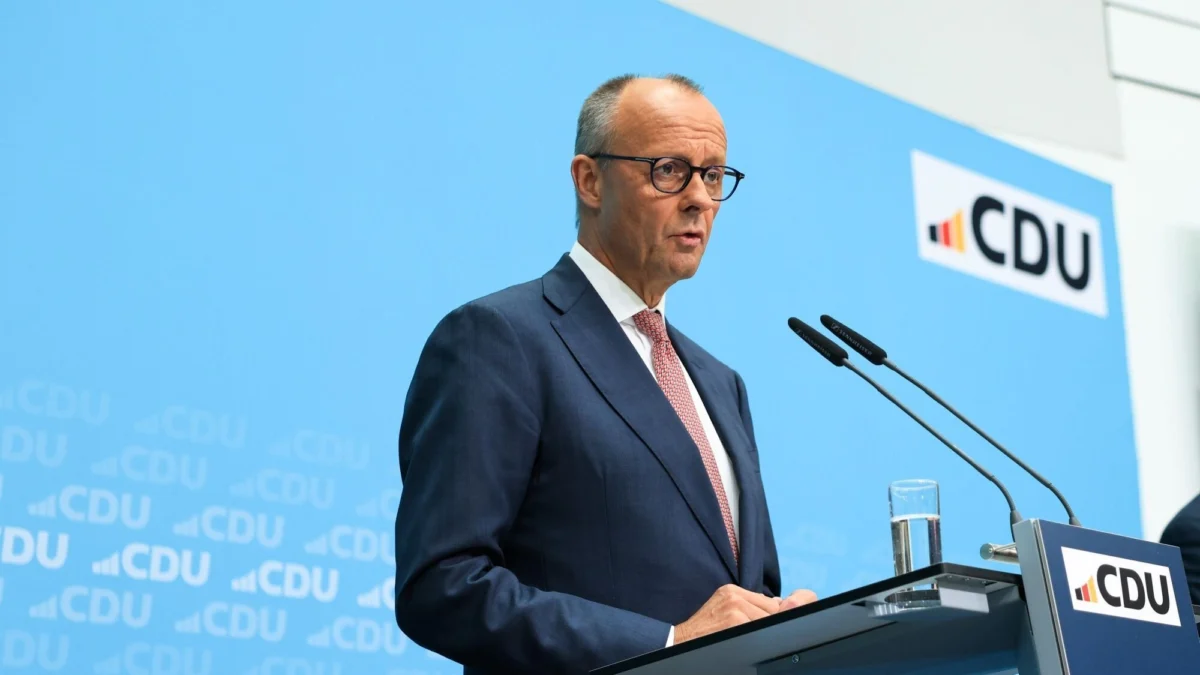
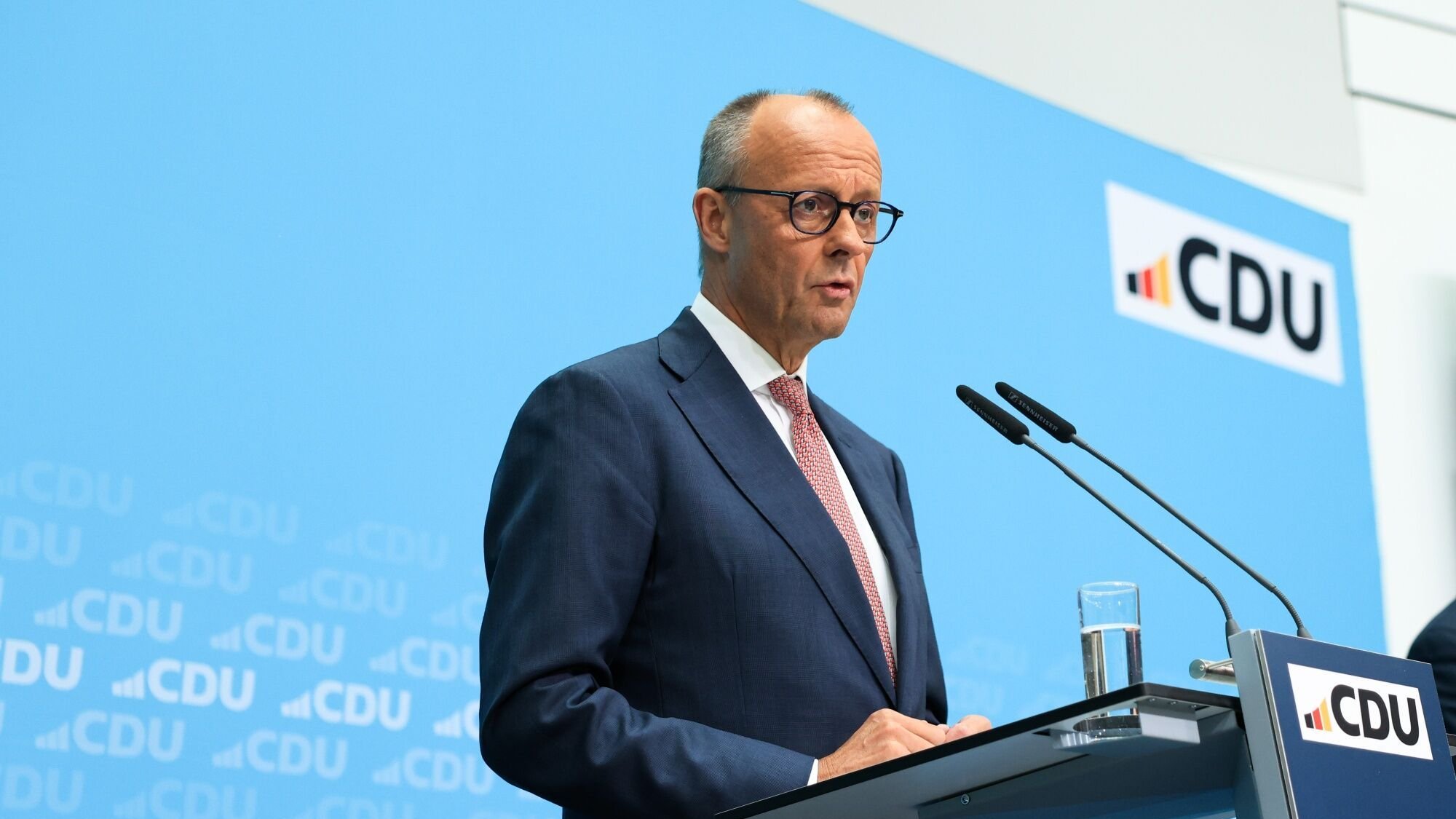
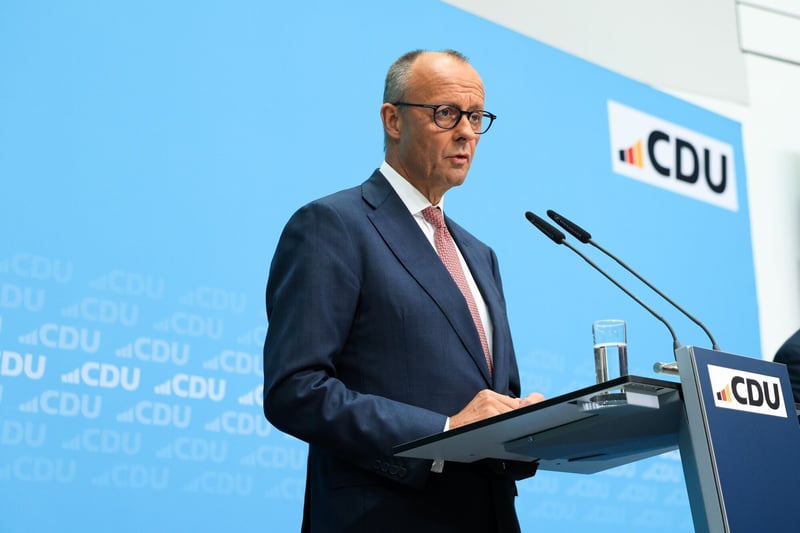
As Germany navigates these multifaceted challenges, the coming period is likely to be characterized by intense political debate, strategic realignments, and a re-examination of fundamental policy approaches. The interplay between domestic political pressures, evolving foreign policy considerations, and economic imperatives will shape the trajectory of the nation in the near future. The updated news on September 21, 2026, at 2:25 PM, indicates that these discussions are ongoing and dynamic, with the political discourse reflecting a nation at a critical juncture. The image of Friedrich Merz, the CDU leader, speaking to the press the day after these significant regional elections, serves as a visual anchor to these unfolding political developments, underscoring the gravity of the situation for the established conservative party.
