

The culinary landscape of Thailand, long a haven for Japanese cuisine from the delicate art of sushi to the comforting depths of ramen, is experiencing a subtle yet significant shift. While these familiar favorites have firmly established their presence, udon, particularly the celebrated Sanuki style, is emerging from a niche market to capture a broader Thai palate. This evolution is driven by dedicated restaurateurs and a growing appreciation for the distinct textures and flavors of these thick, wheat noodles, traditionally hailing from Japan’s Kagawa Prefecture.
H2: The Ascent of Sanuki Udon in the Thai Market
For years, Japanese restaurants in Thailand have catered to a diverse clientele, from locals seeking authentic tastes to a substantial expatriate community. However, udon, with its characteristic chewy texture and often simple, elegant broth, has historically occupied a less prominent position compared to its noodle brethren. This has begun to change with the increasing introduction of Sanuki udon, a regional specialty renowned for its superior texture and purity of flavor.
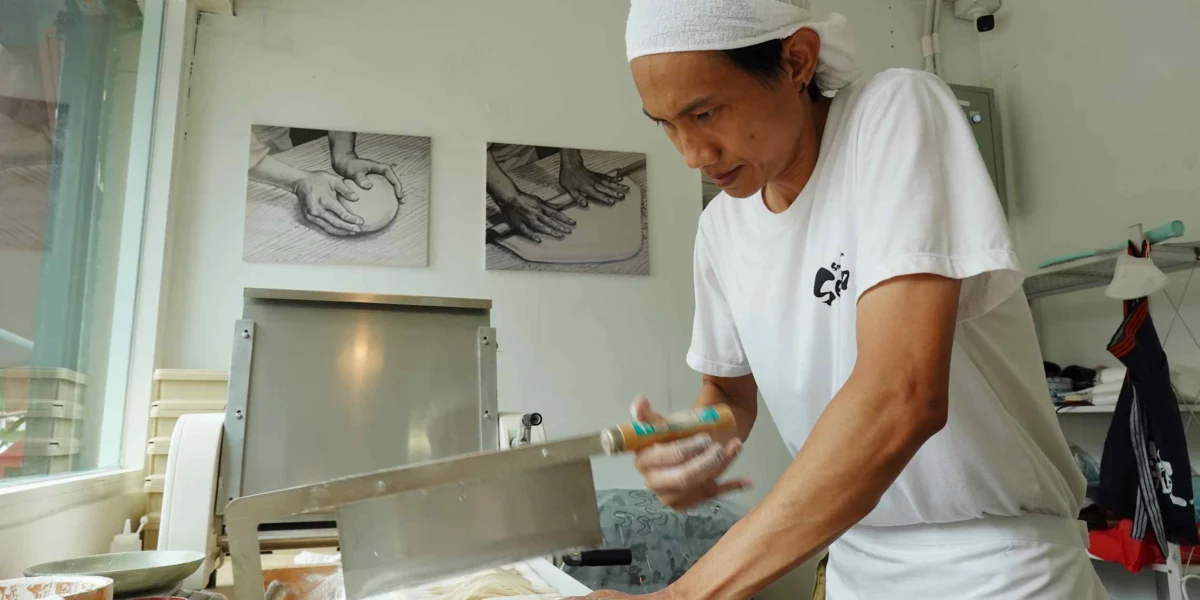
Pongpan Pattapan, proprietor of Seto Sanuki Udon in the popular tourist hub of Phuket, exemplifies this growing trend. His establishment, as captured in recent photographic documentation, is a testament to the dedication involved in mastering and popularizing this specific type of udon. The image of Pattapan meticulously crafting udon noodles underscores the artisanal approach being taken by businesses aiming to introduce the authentic Sanuki experience to Thailand. This isn’t merely about serving noodles; it’s about preserving and promoting a culinary heritage.
H3: Tracing the Origins: The Kagawa Connection
Sanuki udon is more than just a type of noodle; it is a cultural icon of Kagawa Prefecture on the island of Shikoku, Japan. Kagawa is officially recognized as the "Udon Prefecture" by the Japanese government, a testament to the region’s deep-rooted connection to this dish. The prefecture boasts an astonishing number of udon restaurants per capita, and the consumption of udon is deeply ingrained in the local lifestyle.
The distinctiveness of Sanuki udon lies in its specific production methods. The dough typically uses a higher proportion of water and is kneaded extensively, often by foot, to develop its characteristic firm, chewy, and elastic texture – often described as koshi in Japanese. The flour used is also crucial, with regional variations in wheat types contributing to the final mouthfeel. The broth, usually a dashi-based consommé made from kombu (kelp) and katsuobushi (bonito flakes), is intentionally light to allow the noodle’s flavor and texture to shine.
H2: The Drivers of Change: Market Dynamics and Consumer Demand
Several factors are contributing to the growing popularity of Sanuki udon in Thailand. Firstly, the increasing sophistication of the Thai palate, coupled with a growing exposure to diverse international cuisines through travel and media, has fostered a greater appreciation for nuanced flavors and textures. Secondly, the rise of social media has played a significant role in popularizing specific food trends. Food bloggers and influencers often highlight unique culinary experiences, and the distinctiveness of Sanuki udon lends itself well to visually appealing and engaging content.
Furthermore, the economic growth of Thailand and the increasing disposable income of its population have led to a greater willingness to explore more premium and specialized food offerings. While ramen and sushi have a well-established market, Sanuki udon represents a new frontier for many Thai consumers, offering a novel yet familiar Japanese dining experience.
H3: Data-Driven Insights: The Expanding Udon Market
While precise, granular data on the Sanuki udon market segment within Thailand is still emerging, broader trends in Japanese food consumption provide context. The overall Japanese restaurant market in Thailand has seen consistent growth over the past decade. According to market research reports from firms like Statista, the Japanese food market in Thailand is projected to continue its upward trajectory, driven by both local demand and the substantial tourism sector. Within this broader market, specialized noodle dishes like udon are expected to carve out a larger share as consumer preferences diversify.
Anecdotal evidence from restaurant owners and industry observers suggests a discernible increase in interest. Restaurants specializing in udon, particularly those emphasizing the Sanuki style, report a growing customer base, with repeat patronage indicating satisfaction with the quality and authenticity of the offerings. The success of establishments like Seto Sanuki Udon in Phuket, a location known for its discerning international and domestic tourist demographic, further reinforces this trend.
H2: A Chronology of Culinary Expansion
The journey of Sanuki udon in Thailand, while not a sudden phenomenon, can be traced through several key phases:
- Early 2000s: Initial introductions of udon noodles, often as a secondary offering in broader Japanese restaurants. These were typically more generic udon preparations, not specifically Sanuki style.
- Mid-2010s: A nascent interest emerges among food enthusiasts and expatriates familiar with regional Japanese specialties. A few dedicated udon restaurants begin to appear in major urban centers like Bangkok.
- Late 2010s – Early 2020s: Increased accessibility to information about regional Japanese cuisine. Food bloggers and travelogues highlight Kagawa and its udon culture, sparking curiosity. The opening of more specialized Sanuki udon restaurants, focusing on authenticity, begins.
- Present (2026): A noticeable acceleration in the adoption of Sanuki udon. Restaurants like Seto Sanuki Udon in Phuket are at the forefront, showcasing the craft and appealing to a wider audience. Expansion into other tourist destinations and potentially secondary cities is observed.
H3: Challenges and Opportunities for Restaurateurs
Establishing and growing a Sanuki udon business in Thailand presents both challenges and significant opportunities. Sourcing high-quality ingredients, particularly the specific types of wheat flour and kelp essential for authentic Sanuki udon, can be a logistical hurdle. Maintaining the delicate balance of texture and flavor in the Thai climate also requires meticulous attention to detail.
However, the opportunity lies in offering a distinct product that stands out in a competitive market. By focusing on authenticity, quality, and educating consumers about the unique characteristics of Sanuki udon, restaurateurs can cultivate a loyal customer base. The potential for growth is substantial, as the Thai market still has significant room for penetration for this specialized cuisine.
H2: Voices from the Frontlines: Restaurateur Perspectives
While direct quotes from Pongpan Pattapan are not available in the provided text, the implication of his dedication at Seto Sanuki Udon speaks volumes. Restaurateurs entering this market often express a passion for sharing their culinary heritage. They typically emphasize the importance of:
- Authenticity: Using traditional methods and ingredients to replicate the Sanuki experience as closely as possible to its Kagawa origins.
- Quality Control: Rigorous standards in noodle making, broth preparation, and ingredient sourcing.
- Customer Education: Explaining the nuances of Sanuki udon to diners who may be unfamiliar with its specific characteristics, such as its chewy texture and the preference for a lighter broth.
Feedback from diners in similar establishments often highlights the "chewy texture" and "satisfying broth" as key attractions, distinguishing it from other noodle dishes.
H3: Broader Impact and Future Implications
The growing popularity of Sanuki udon has several broader implications for Thailand’s food scene and its relationship with Japanese culinary culture:
- Diversification of Japanese Cuisine: It signifies a move beyond the most common Japanese dishes, demonstrating a maturing appreciation for regional specialties.
- Culinary Tourism: As Thailand continues to be a major tourist destination, the availability of authentic regional Japanese food can enhance its appeal to Japanese tourists and food enthusiasts worldwide.
- Economic Opportunities: The expansion of the Sanuki udon market creates new business ventures, employment opportunities, and potentially boosts agricultural imports if specialized ingredients are required.
- Cultural Exchange: It serves as a tangible form of cultural exchange, introducing and popularizing a specific facet of Japanese life and cuisine among a new audience.
As the trend continues, it is plausible that we will see more Sanuki udon specialists emerge, not only in major cities but also in other tourist-heavy regions. The success of pioneers like Pongpan Pattapan is likely to inspire others, further solidifying Sanuki udon’s place in Thailand’s vibrant and ever-evolving gastronomic landscape. The journey from Kagawa’s rice paddies to Phuket’s shores is a testament to the universal appeal of well-crafted, comforting food, and the dedication of those who bring it to new audiences.
