

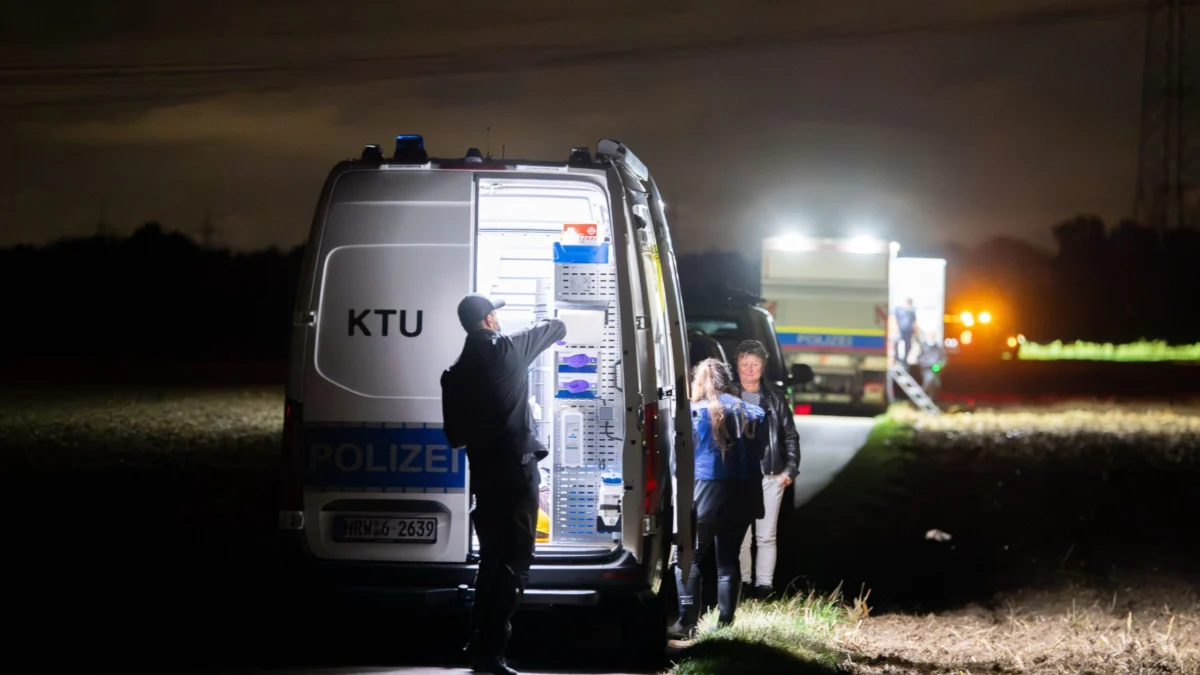
Following the discovery of a suspicious object at a power substation in Dormagen, a key industrial area situated between the major cities of Cologne and Dusseldorf in Germany’s North Rhine-Westphalia region, law enforcement agencies are now operating under the assumption that the incident constitutes an act of sabotage. Investigators have reportedly received a claim of responsibility, which also references other, previously reported suspicious incidents across North Rhine-Westphalia and the state of Brandenburg. This development has heightened security concerns and prompted a widespread review of critical infrastructure protection measures.
Initial Discovery and Investigation
The alarming find was made on Thursday evening by a passerby who alerted authorities to the presence of an unusual item at the substation. Emergency services and specialized police units were immediately dispatched to the scene. The initial assessment by officers on the ground suggested the object could potentially be a "suspicious firing device," according to a police spokesperson speaking late on Thursday night. The precise nature and composition of the device are still undergoing thorough examination by forensic experts. However, preliminary reports, as cited by the German tabloid "Bild," indicate that the object may have been a launch mechanism for homemade rockets. These reports suggest that timers and copper wires were reportedly attached to the components of the device. The police have not officially confirmed these specific details, emphasizing that the investigation is ongoing.
Broader Context: A Pattern of Suspicious Incidents
The implication that this Dormagen incident is part of a larger pattern of sabotage is a significant escalation. The mention of other, already publically known, suspicious cases in North Rhine-Westphalia and Brandenburg within the claimed responsibility letter suggests a coordinated or at least ideologically linked series of actions. This points towards a potential threat that extends beyond a single isolated event. While specific details of these other incidents have not been fully elaborated upon by authorities in the current statement, their inclusion in the purported claim of responsibility underscores the seriousness with which investigators are treating the situation. The strategic location of the Dormagen substation, serving a region with significant industrial and economic activity, further amplifies concerns about the potential impact of such sabotage attempts on energy supply and public safety.
Security Sweep and Precautionary Measures
In response to the evolving situation, law enforcement officials have initiated a comprehensive security sweep of other power substations in the surrounding regions. The objective is to ascertain whether similar suspicious objects have been placed at these critical infrastructure sites. As of the latest reports, no damage has been confirmed at any other substations, with the exception of the site in Bergheim, located west of Cologne. The nature of any findings or issues at the Bergheim substation has not yet been detailed, but its mention signifies a potentially wider geographical spread of concern within the region. This proactive approach demonstrates a commitment to preventing further incidents and mitigating any potential risks to the power grid.
Expert Analysis and Potential Motivations
The identification of a potential firing device, coupled with a claim of responsibility, raises critical questions about the perpetrators and their motivations. While official statements are cautious, the presence of what are described as rocket launch mechanisms suggests a level of technical sophistication and a clear intent to disrupt or damage. The mention of homemade rockets could point towards individuals or groups with access to certain materials and a desire to create improvised explosive or incendiary devices.
Several factors could be at play:
- Political Extremism: Acts of sabotage targeting critical infrastructure have often been linked to extremist ideologies, whether far-right, far-left, or environmental extremism, seeking to make political statements or exert pressure. The mention of multiple states could indicate a national scope for such a group.
- Economic Disruption: In some instances, sabotage can be motivated by the desire to disrupt economic activity, create panic, or exploit resulting market fluctuations.
- International Influence: While less likely given the "homemade" nature of reported devices, foreign state-sponsored actors could also be involved in attempting to destabilize critical infrastructure in strategic regions. However, the current evidence leans away from this.
The timing of such an event, particularly if linked to ongoing geopolitical tensions or domestic political discourse, could also be a significant factor. Without further information from the investigation, pinpointing a definitive motivation remains speculative. However, the focus on energy infrastructure is a common tactic for groups aiming to cause widespread disruption and fear.
Impact on Energy Security and Public Confidence
The incident at the Dormagen substation, and the broader context of suspected sabotage, has significant implications for energy security in North Rhine-Westphalia and potentially beyond. Substations are vital nodes in the electricity grid, and any disruption or damage could lead to widespread power outages, impacting households, businesses, and essential services. The economic consequences of such outages can be substantial, ranging from lost productivity to damage to sensitive equipment.
Beyond the tangible economic impact, these events erode public confidence in the security of essential services. The knowledge that critical infrastructure is vulnerable to deliberate attacks can create anxiety and a sense of insecurity among the population. This necessitates not only robust physical security measures but also effective communication from authorities to reassure the public and provide accurate information about the ongoing situation.
Government and Law Enforcement Response
The response from German authorities has been swift and measured. The police are leading the investigation, with support from federal agencies as needed, particularly if the scope of the threat is determined to be wider or more complex. The Federal Ministry of the Interior and Community, along with state-level security bodies, are undoubtedly monitoring the situation closely.
Key aspects of the official response are likely to include:
- Intensified Surveillance: Increased monitoring of potential targets and known extremist groups.
- Intelligence Gathering: Active efforts to identify the perpetrators and their network through intelligence sharing and analysis.
- Infrastructure Hardening: A review and potential enhancement of security protocols at all critical energy infrastructure sites.
- Public Awareness Campaigns: Informing the public about safety measures and encouraging vigilance without causing undue alarm.
The cooperation between federal and state law enforcement agencies is crucial in addressing a threat that appears to span multiple regions. The fact that a claim of responsibility has been received, and that it references other incidents, suggests that the investigation may benefit from a more holistic approach to piecing together the activities of the responsible party or parties.
Historical Precedents and Future Outlook
Germany, like many industrialized nations, has faced threats to its critical infrastructure in the past. Incidents ranging from environmental activists targeting infrastructure to acts of domestic terrorism have underscored the vulnerability of systems we often take for granted. The increasing digitization of these systems also introduces new cybersecurity risks, although the current incident appears to be of a physical nature.
The investigation into the Dormagen incident is likely to be prolonged and complex. Unraveling a potential network of saboteurs, identifying their motives, and securing evidence will require significant resources and expertise. The outcomes of this investigation will not only determine the fate of those responsible but will also inform future security strategies for Germany’s vital energy networks. The focus will undoubtedly be on enhancing preventative measures, improving response capabilities, and fostering a resilient infrastructure capable of withstanding such deliberate attacks. The coming days and weeks will be critical in understanding the full scope of this threat and the steps being taken to safeguard Germany’s energy future.
