

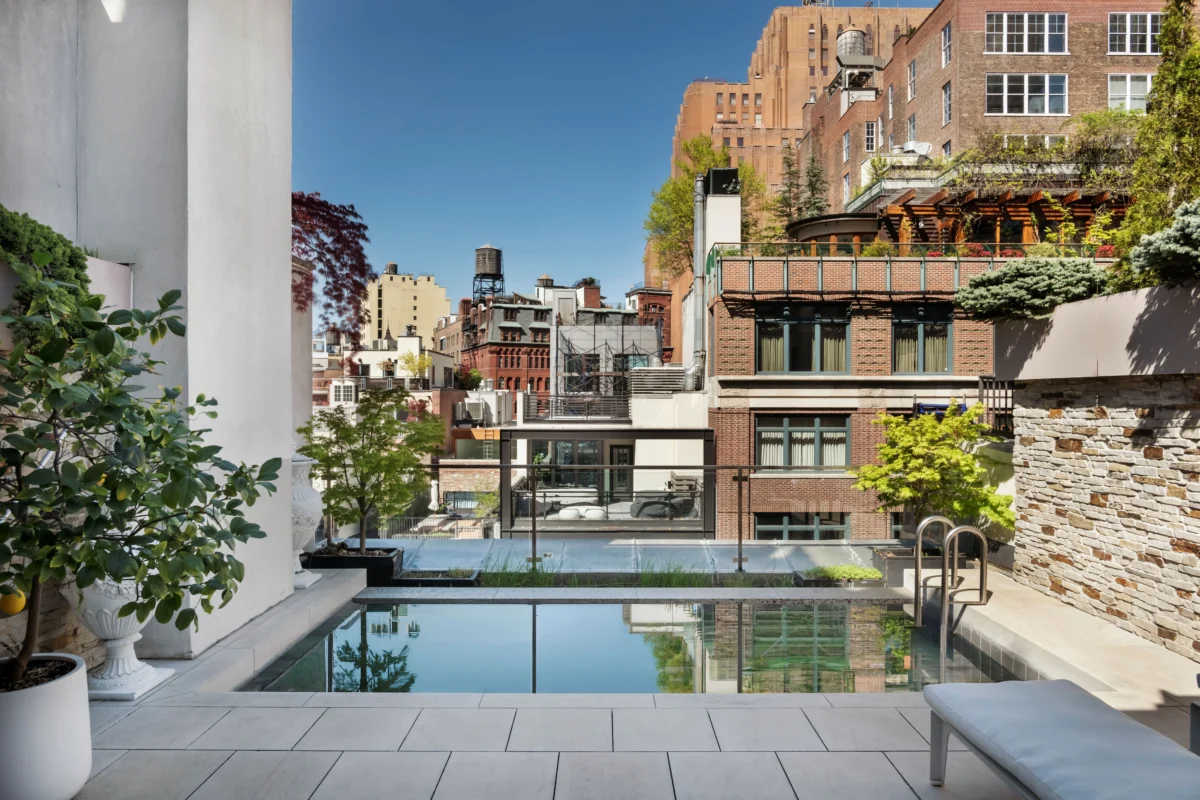
A profound transformation is sweeping through Manhattan’s elite residential sector, where a burgeoning class of ultra-high-net-worth individuals, once traditional buyers, are now driving an unprecedented surge in luxury rental prices, pushing median rents across the borough to an all-time high. This paradigm shift, fueled by a confluence of economic factors, limited sales inventory, and strategic policy changes, has redefined the landscape of high-end urban living, creating a bespoke market for "mega-rentals" that are often transacted discreetly, away from public listings. The latest market analyses reveal a dramatic escalation, with median rents reaching an unparalleled $5,000 per month in July, a milestone that underscores a deeply stratified market where the wealthiest tenants exert disproportionate influence.
The Genesis of a Rental Boom: A Chronological Overview
The current rental market dynamics in Manhattan are not an overnight phenomenon but rather the culmination of several interlocking trends that have gained momentum over the past 12 to 18 months. Following the initial post-pandemic recovery, which saw a robust return to urban centers, the luxury real estate market began to exhibit signs of divergence. While demand for high-end properties remained strong, the supply of prime "trophy" homes available for purchase started to dwindle.
By late 2025 and early 2026, several critical factors converged. Economic uncertainty, marked by persistent inflation and a series of interest rate hikes by the Federal Reserve, began to temper the enthusiasm for large-scale real estate investments among some wealthy buyers. Higher borrowing costs made financing less attractive, even for those with significant capital, while concerns about potential economic slowdowns fostered a "wait-and-see" approach. Simultaneously, the Manhattan resale market experienced a period of flattening or even slight declines in prices, diminishing the perceived investment appeal of purchasing an apartment compared to previous bullish cycles.
A pivotal moment arrived with the announcement and subsequent discussions surrounding New York’s proposed pied-à-terre tax on high-value second homes. Intended to generate revenue and potentially address wealth inequality, this legislative initiative, even in its conceptual or debated stages, sent ripples through the luxury sales market. Prospective buyers of multi-million-dollar secondary residences began to re-evaluate the long-term financial implications of ownership, with the prospect of an annual tax on non-primary residences adding a significant ongoing cost. This policy, designed to target the ultra-wealthy, inadvertently accelerated their pivot towards the rental market, offering a more flexible and, in some cases, fiscally appealing alternative to outright ownership. Pam Liebman, president and CEO of The Corcoran Group, observed this direct correlation, stating, "The sharp increase in rentals following the pied-à-terre tax announcement suggests that some prospective purchasers may already be choosing flexibility over ownership." This sentiment highlights a strategic adaptation by affluent individuals to a changing regulatory and economic environment.
Unpacking the Data: A Stratified Market in Flux
The numbers paint a clear picture of a market experiencing unprecedented growth, particularly at its pinnacle. According to the Real Deal Report, meticulously compiled by Jonathan Miller, director of markets for Street Matrix, the median rent in Manhattan reached an all-time high of $5,000 a month in July. This figure represents a significant benchmark, reflecting a broad upward trend across various price points. However, the true story of acceleration lies within the luxury segment.
The average rent across all Manhattan properties jumped 15% compared with a year ago, settling at $6,306. This average, considerably higher than the median, already hints at the outsized influence of high-value properties. But it is within the top 10% of the market—the true luxury tier—where the most dramatic shifts are occurring. The average price for luxury rentals soared by an astonishing 35% over the past year, climbing to $17,464 a month. This segment is now commanding an average of $121 per square foot, a premium rate that underscores the fierce competition for premier properties.
This bifurcation of the market is crucial to understanding the current landscape. While a $5,000 median rent presents challenges for many New Yorkers, the stratospheric rise in luxury rents is driven by a distinct set of market forces and tenant demographics. The number of apartments renting for more than $50,000 a month has more than doubled so far this year compared with the previous year (2025), a testament to the surging demand at the ultra-high end. Even more remarkably, the number of properties fetching over $100,000 a month has increased sevenfold during the same period, signaling the emergence of a robust "mega-rental" market previously considered niche. These figures from The Real Deal underscore a significant expansion in the volume and value of the highest-tier rental transactions.
The Ultra-Wealthy Tenant: Renting by Choice, Not Necessity
Traditionally, renting has been seen as a transitional phase, a stepping stone for those who cannot yet afford to buy. In Manhattan’s current luxury market, this convention has been inverted. Today’s ultra-wealthy renters are not constrained by financial limitations; they possess ample capital to acquire multi-million-dollar properties. Their decision to rent is a strategic choice, influenced by several compelling factors:
- Record-Low Sales Inventory: The primary driver is an acute shortage of high-end properties for sale that meet the exacting standards of the ultra-rich. These individuals are not just seeking a residence; they are seeking a "trophy home"—a unique, architecturally significant, and impeccably finished property in a prime location. With fewer such properties coming onto the market, many are choosing to reside in luxury rentals until their ideal home becomes available. Laura Klein of Bespoke Real Estate, a prominent broker in this exclusive market, articulated this phenomenon: "These are people who can easily afford $20 million, $50 million trophy homes. There is so little inventory. And they don’t want to compromise."
- Investment Prudence Amidst Uncertainty: The flat or falling prices in the Manhattan resale market have diminished the allure of real estate as an immediate investment vehicle. For many ultra-wealthy individuals, capital preservation and growth are paramount. In an environment where asset values might stagnate or decline, renting offers financial flexibility, allowing them to deploy their capital elsewhere, perhaps in more liquid or higher-yielding investments, while maintaining a prime residence.
- Flexibility and Convenience: Ownership comes with responsibilities—maintenance, property taxes, and the long-term commitment of a significant asset. Renting, especially at the luxury tier, often includes white-glove services, eliminating the hassles of property management and offering the flexibility to move without the complexities of selling a high-value asset. This appeals to global elites who may spend varying amounts of time in different cities.
- Tax Implications: As discussed, the anticipated pied-à-terre tax has been a significant deterrent for those considering a second home purchase. Renting sidesteps this potential financial burden, offering a tax-efficient way to maintain a presence in New York City.
The "White Glove" Rental Market: Discretion and Exclusivity
The ecosystem for these mega-rentals operates largely in the shadows of the public market. Unlike typical rentals listed on popular platforms, ultra-high-end properties are rarely advertised openly. Instead, they circulate within an exclusive network of high-end brokers who specialize in serving ultra-high-net-worth clients. This "white glove" market thrives on discretion, privacy, and personal connections.
Laura Klein, a leading figure in this specialized niche, elucidates the nature of these transactions. She recently brokered a rental for a penthouse in Chelsea at an astounding $177,000 a month, a testament to the market’s capacity for astronomical figures. Currently, she is facilitating a private rental in Tribeca for $175,000 a month and another on the Upper East Side for $95,000 a month. These properties are not merely apartments; they are meticulously designed, fully furnished, and often come with bespoke services, reflecting the turnkey, unique, and trophy characteristics desired by these discerning tenants. Klein notes, "The $100,000-a-month number is almost normal now. These are renters who want turnkey, unique, trophy properties."
The landlords of these exceptional properties are typically not reliant on rental income for their primary livelihood. Their decision to rent is often opportunistic, driven by market demand and the potential to generate substantial revenue from an asset that might otherwise sit vacant or underutilized. "They say to me, ‘If the number is right, I’ll rent.’ These are properties that if they were on the market would be listed for tens of millions" of dollars, Klein explained. This dynamic creates a symbiotic relationship: wealthy tenants find the exclusive, high-quality residences they desire, and property owners capitalize on an unprecedented demand for their prized assets.
Broader Implications and Future Outlook
The current state of Manhattan’s luxury rental market carries significant implications for the broader real estate ecosystem and urban dynamics. While the direct impact on affordable housing is limited, the concentration of wealth and the unique pressures it places on the high-end market contribute to the overall narrative of New York City’s increasing cost of living and exclusivity.
From an economic perspective, this shift reflects a cautious approach by the wealthiest investors in a period of economic flux. The preference for renting over buying suggests that while confidence in the long-term value of Manhattan real estate remains, there is a perceived short-term advantage in maintaining liquidity and flexibility. Should interest rates stabilize or decline, and if the sales inventory of prime properties improves, some of these renters may eventually re-enter the buying market. However, the influence of the pied-à-terre tax, if fully implemented and sustained, could permanently alter the calculus for luxury second-home ownership.
Urban planners and policymakers will need to observe these trends closely. The sustained demand for ultra-luxury rentals, while a boon for property owners, also highlights the persistent challenges in developing new, high-end inventory that meets modern standards and avoids market stagnation. The question of how to balance revenue generation through taxes with maintaining an attractive investment environment for global capital will remain a delicate one.
Looking ahead, market analysts anticipate that the luxury rental market will likely remain robust for the foreseeable future. With global wealth continuing to expand and New York City retaining its status as a premier global financial and cultural hub, the demand for top-tier accommodations, whether owned or rented, will persist. However, the unprecedented growth rates seen in the past year may temper as the market finds a new equilibrium. The success of future development projects, changes in interest rate policy by the Federal Reserve, and any further legislative actions concerning property taxes will all play critical roles in shaping Manhattan’s luxury residential landscape in the coming years. For now, the story of Manhattan’s real estate market is one of records being shattered, driven by a powerful confluence of wealth, scarcity, and strategic decision-making in an ever-evolving economic environment.
