

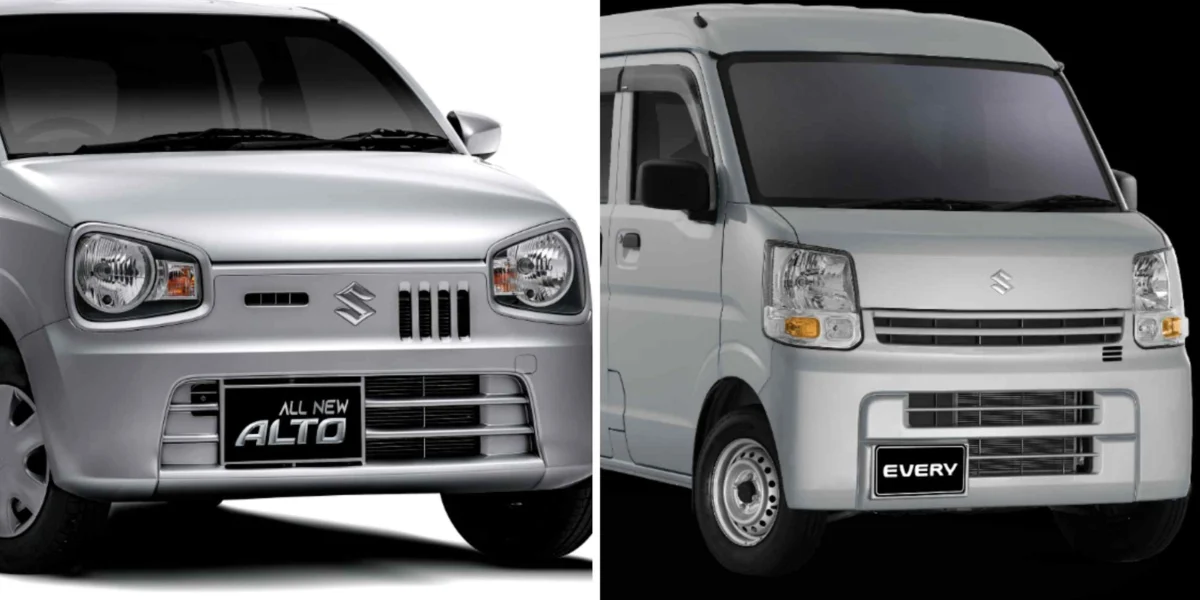
TOKYO — Japan’s Suzuki Motor has officially commenced the export of its compact, kei-sized vehicles to Brunei, a significant move that underscores the automaker’s strategy to tap into emerging markets with its highly efficient and affordable automotive solutions. The initial shipment, comprising two popular models, the Alto and the Every, originates from Suzuki’s manufacturing facilities in Pakistan, signaling a new phase in the company’s global supply chain integration and market development efforts. This expansion into Brunei, a Southeast Asian nation known for its relatively affluent population and developing automotive landscape, represents Suzuki’s commitment to offering accessible mobility options beyond its traditional strongholds.
Strategic Pivot to Emerging Markets
The decision by Suzuki Motor to introduce kei cars, vehicles specifically engineered to meet Japan’s unique regulations regarding engine displacement, dimensions, and power output, into the Bruneian market is a notable strategic pivot. These vehicles, typically characterized by their diminutive size, exceptional fuel efficiency, and lower manufacturing costs, have historically been a cornerstone of Japan’s domestic automobile industry. By repurposing these designs and leveraging its Pakistani subsidiary for production, Suzuki aims to replicate the success it has experienced with its small car offerings in other developing economies. The Alto, a long-standing nameplate in Suzuki’s portfolio, is renowned for its urban agility and economical operation, while the Every, a versatile mini-van or mini-truck, offers practicality for both commercial and personal use.
Genesis of the Pakistan-Brunei Export Initiative
The genesis of this export initiative can be traced back to Suzuki Motor’s strategic foresight in establishing and strengthening its manufacturing presence in Pakistan through its subsidiary, Pak Suzuki Motor Company. Pak Suzuki, a dominant player in the Pakistani automotive sector, has consistently produced a range of Suzuki vehicles for the domestic market. Recognizing the untapped potential of its Pakistani production capabilities for regional exports, Suzuki Motor initiated a feasibility study to assess the viability of supplying vehicles to markets within Southeast Asia and beyond. Brunei emerged as a prime candidate due to several factors, including its existing demand for compact and fuel-efficient vehicles, a stable economic environment, and a receptive consumer base for Japanese automotive brands.
The timeline for this strategic development likely involved several years of planning and preparation. Following the initial feasibility studies, which would have assessed market demand, regulatory compliance in Brunei, and the logistical challenges of exporting from Pakistan, Suzuki would have engaged in production planning and quality control enhancements at its Pakistani plants to meet international export standards. Negotiations with Bruneian automotive distributors and regulatory bodies would have also been a crucial phase. The announcement on Friday, August 29, 2026, marks the culmination of these efforts, signifying the official commencement of sales.
Supporting Data: The Appeal of Kei Cars and Suzuki’s Market Position
The appeal of kei cars, even outside of Japan, lies in their inherent advantages for specific market conditions. In urban environments, their compact dimensions facilitate easier navigation and parking, a significant benefit in densely populated areas or cities with limited infrastructure. Their smaller engines, typically ranging from 660cc, contribute to remarkable fuel efficiency, a critical factor for consumers in markets where fuel costs can be a substantial portion of household expenditure. Furthermore, the lower production costs associated with kei cars translate into more affordable purchase prices, making them an attractive option for first-time car buyers and budget-conscious consumers.
Suzuki Motor is no stranger to the small car segment, having established itself as a global leader in this niche. The company’s global sales figures consistently highlight the strong performance of its compact models. For instance, in fiscal year 2023, Suzuki reported global sales of approximately 3.1 million vehicles, with a significant proportion attributed to its compact and subcompact offerings. The company’s strategy has historically focused on delivering reliable, fuel-efficient, and affordable transportation solutions, which aligns perfectly with the needs of many emerging markets. The introduction of the Alto and Every in Brunei is a direct application of this proven strategy.
While specific import and sales data for Brunei are not yet available, general automotive market trends in Southeast Asia provide a relevant context. The Association of Southeast Asian Nations (ASEAN) automotive market is one of the fastest-growing globally, with a projected compound annual growth rate (CAGR) of around 5-7% in the coming years. Within this region, countries like Brunei, while smaller in volume, often exhibit a preference for Japanese brands due to their reputation for quality, reliability, and after-sales support. Suzuki’s existing presence in neighboring Southeast Asian markets, such as Malaysia and the Philippines, further solidifies its understanding of regional consumer preferences and market dynamics.
Official Statements and Future Outlook
While the initial announcement was made by Suzuki Motor, it is reasonable to infer the likely positive reception from its local partners in Brunei. Automotive distributors in Brunei, eager to expand their product offerings and cater to a wider segment of the market, would likely welcome the addition of these competitively priced and fuel-efficient vehicles. Discussions with potential distributors would have been a crucial part of the market entry process.
A hypothetical statement from a spokesperson for Suzuki Motor might read: "We are delighted to introduce the Alto and the Every to the Bruneian market. These vehicles embody Suzuki’s core principles of delivering compact, fuel-efficient, and reliable transportation. We believe they will resonate strongly with Bruneian consumers seeking practical and economical mobility solutions. This expansion, leveraging our production capabilities in Pakistan, underscores our commitment to serving diverse global markets with tailored offerings."
Similarly, a hypothetical statement from a leading Bruneian automotive distributor could express enthusiasm: "The introduction of Suzuki’s kei-sized cars marks an exciting development for Brunei’s automotive sector. The Alto and the Every, known for their efficiency and affordability, are expected to be highly sought after by a broad range of customers, from young professionals to small business owners. We are confident in the success of these models and look forward to a strong partnership with Suzuki Motor."
The implications of this move are multifaceted. For Suzuki, it represents a diversification of its export markets and a strategic utilization of its production base in Pakistan, potentially leading to increased economies of scale and cost efficiencies. For Brunei, it offers consumers more choice in the small car segment, potentially driving down prices and increasing competition. It also signifies a growing trend of international automotive manufacturers sourcing vehicles from diverse production hubs to serve new markets.
Broader Impact and Implications
The export of kei cars from Pakistan to Brunei has broader implications for both countries and the wider automotive industry. For Pakistan, this initiative offers a significant boost to its automotive manufacturing sector. By becoming a hub for exporting vehicles to international markets, Pakistan can enhance its export revenues, create employment opportunities, and foster technological advancements within its domestic automotive industry. This could pave the way for further export-oriented manufacturing initiatives in the country, contributing to its economic growth and development.
For Brunei, the influx of these compact vehicles could contribute to a more diversified and affordable automotive market. As the nation continues to develop its infrastructure and urban centers, the demand for efficient and easy-to-maneuver vehicles is likely to increase. The Alto and Every, with their inherent advantages, are well-positioned to meet this demand. Furthermore, the availability of more affordable car options could stimulate personal mobility and economic activity within the country.
On a global scale, this development highlights the evolving nature of automotive supply chains and market strategies. Suzuki’s ability to leverage its subsidiary in Pakistan to serve a market in Southeast Asia demonstrates a sophisticated approach to global manufacturing and distribution. It suggests a future where vehicles designed for one market can be adapted and produced in other regions to meet the specific needs and economic realities of different consumer bases. This trend is likely to continue as automakers seek to optimize their production networks and expand their reach into emerging economies. The success of this initiative could serve as a blueprint for similar cross-regional export programs in the future, further blurring the lines of traditional automotive manufacturing and market segmentation. The long-term impact will depend on factors such as the sustained demand in Brunei, the cost-competitiveness of vehicles produced in Pakistan, and Suzuki’s ongoing commitment to product development and customer service in this new market.
