

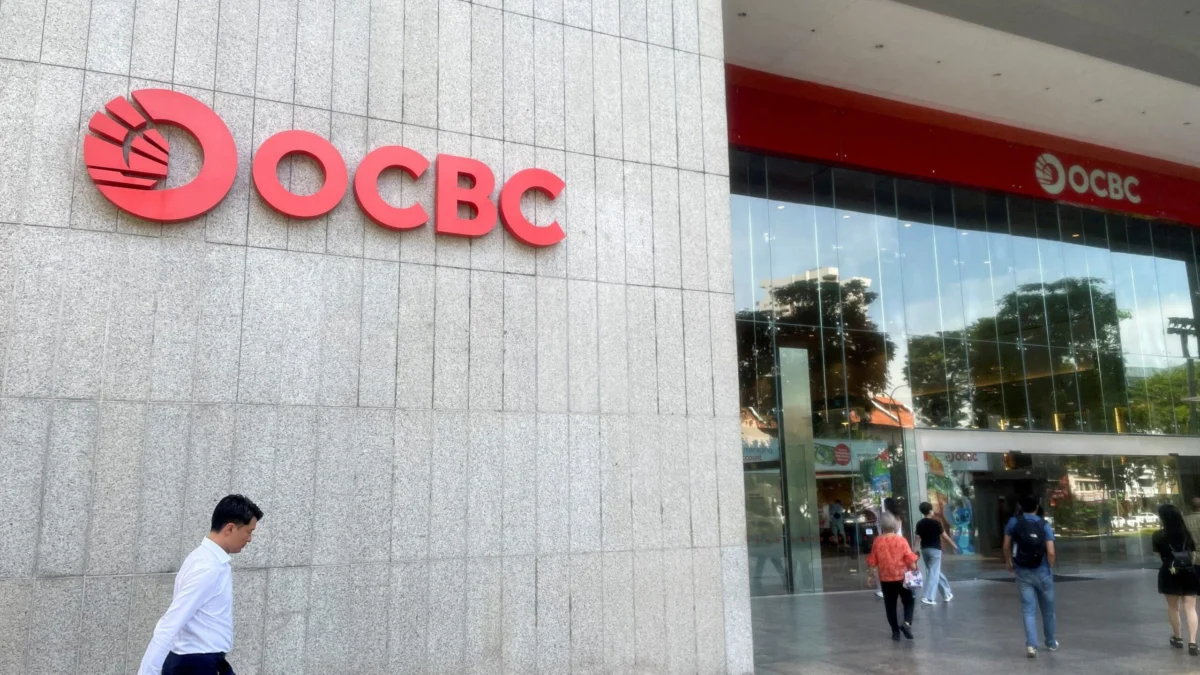
The financial hub of Singapore is positioning itself as a global leader in artificial intelligence adoption, with its banking sector spearheading this technological transformation. However, this ambitious embrace of AI is being carefully managed to mitigate concerns over widespread job losses. A tripartite pact involving the government, banks, and labor unions aims to ensure that the integration of AI benefits the workforce rather than displacing it.
Singapore’s Banking Sector at the Forefront of AI Integration
Singapore’s financial industry is experiencing a significant wave of digital transformation, with artificial intelligence at its core. Leading institutions are actively exploring and implementing AI solutions to enhance customer service, optimize operations, and develop innovative financial products. This proactive approach underscores Singapore’s strategic vision to remain a preeminent global financial center in an increasingly technology-driven world.

One prominent example of this trend is OCBC Bank’s recent introduction of AI avatars, Wendy and Wayne, designed to assist high-net-worth clients with wealth management. These virtual assistants can engage with customers via text or voice, offering personalized responses to portfolio management inquiries and providing recommendations for potential investments. This development signifies a tangible step towards integrating AI into direct customer interactions, aiming to offer a more efficient and accessible service.
The AI service at OCBC is currently available to clients with invested assets equivalent to approximately one million euros. According to OCBC, the intention behind this initiative is to alleviate the workload of human relationship managers. However, OCBC’s chief executive, Tan Teck Long, has explicitly stated that the bank does not foresee this AI integration leading to workforce reductions. Instead, he expressed an optimistic outlook, suggesting that AI could facilitate workforce expansion by driving significant business growth.
"Instead of assuming that AI will shrink our workforce, we hope that with it, we can grow the workforce by vigorously expanding the business," Tan stated during the AI app’s unveiling. This statement reflects a broader strategy within Singapore’s financial sector to harness AI as a tool for augmentation and growth, rather than a substitute for human labor.

Government’s Strategic Vision for AI and Employment
The stance taken by OCBC’s CEO aligns with the directives and aspirations of the Singaporean government. The administration is keen on establishing the nation as a global frontrunner in AI adoption across various industries, including finance. Crucially, this ambition is coupled with a strong commitment to safeguarding employment. The government’s strategy emphasizes fostering a collaborative environment where technological advancements and workforce stability are not mutually exclusive.
This proactive government stance is rooted in the understanding that rapid technological shifts can create societal anxieties, particularly concerning job security. By encouraging financial institutions to embrace AI while simultaneously advocating for job preservation, Singapore aims to navigate the complexities of the AI revolution responsibly. This approach seeks to ensure that the economic benefits of AI are broadly shared and do not exacerbate income inequality or unemployment.
A Tripartite Pact for AI and Employment Security
To formalize this commitment, a significant pact has been forged between the government, major banks, and labor unions in Singapore. This tripartite agreement serves as a framework to guide the integration of AI within the banking sector, with a specific focus on its impact on the workforce. The core tenets of this pact likely include:
- Skills Development and Reskilling Initiatives: The agreement will almost certainly mandate significant investment in training programs designed to equip bank employees with the new skills required to work alongside AI technologies. This could involve upskilling existing staff for roles in AI development, data analysis, AI ethics, and complex customer relationship management that requires human empathy and judgment.
- Job Transition Support: For roles that may be directly impacted by AI automation, the pact is expected to outline clear protocols for job transition. This could include redeployment opportunities within the same or related departments, outplacement services, and financial support during periods of retraining.
- Ethical AI Deployment: The agreement will likely address the ethical considerations surrounding AI in banking, such as data privacy, algorithmic bias, and transparency in AI-driven decision-making. This ensures that the implementation of AI is not only efficient but also fair and responsible.
- Continuous Dialogue and Monitoring: The pact is designed to foster ongoing communication between stakeholders. Regular reviews and assessments will be conducted to monitor the progress of AI adoption, its impact on employment, and the effectiveness of the implemented measures. This ensures adaptability and responsiveness to evolving challenges.
This collaborative approach is a cornerstone of Singapore’s economic policy, particularly in navigating disruptive technological changes. By involving all key stakeholders, the government aims to build consensus and ensure that the benefits of AI are widely distributed, fostering a more resilient and inclusive economy.

Background: Singapore’s Rise as a FinTech and AI Hub
Singapore’s journey towards becoming a global financial and technological hub has been a deliberate and strategic one. For decades, the nation has invested heavily in education, infrastructure, and research and development to attract foreign investment and foster innovation. Its stable political environment, robust legal framework, and business-friendly policies have made it an attractive location for multinational corporations, including leading financial institutions.
The government’s "Smart Nation" initiative, launched in 2014, provided a clear roadmap for integrating technology into all aspects of life and work. This initiative has been instrumental in driving digital transformation across sectors, with AI being a key focus area. The Monetary Authority of Singapore (MAS) has also played a crucial role in promoting innovation within the financial sector, encouraging the adoption of new technologies through regulatory sandboxes and funding initiatives.

The banking sector, in particular, has been a significant beneficiary and driver of this technological push. Banks in Singapore have been actively investing in digital transformation, exploring areas such as blockchain, big data analytics, and, more recently, generative AI. The current focus on AI is a natural progression, building upon the foundational investments in digital infrastructure and talent development.
Data and Supporting Evidence
While specific quantitative data on the projected impact of AI on banking jobs in Singapore is still emerging, global trends provide a context for the current discussions. A report by PwC in 2020 estimated that AI could automate up to 30% of hours worked globally by the mid-2030s. Within the financial services sector, tasks involving data entry, routine customer service, and basic analysis are considered most susceptible to automation.

However, these same reports also highlight the potential for AI to create new roles and augment existing ones. For instance, the demand for AI specialists, data scientists, AI ethicists, and professionals skilled in managing AI-human collaboration is expected to surge. Singapore’s proactive approach, therefore, aims to capture these opportunities while mitigating the risks.
The OCBC example, though specific, is indicative of a broader trend. Other major Singaporean banks, such as DBS and UOB, are also reportedly investing in AI capabilities for various applications, including fraud detection, risk management, personalized marketing, and customer service chatbots. The shared commitment to workforce development within these initiatives suggests a coordinated effort to manage the transition.
Broader Impact and Implications

The approach being taken by Singapore’s banking sector has far-reaching implications, not just for the country’s economy but also as a potential model for other nations.
- Maintaining Competitiveness: By embracing AI while ensuring workforce stability, Singapore aims to maintain its competitive edge in the global financial landscape. This balanced approach allows the country to leverage the efficiency gains and innovative potential of AI without undermining its strong human capital.
- Social Cohesion: Proactive measures to prevent mass unemployment are crucial for maintaining social cohesion. By demonstrating a commitment to its workforce, Singapore can foster public trust and support for technological advancements, preventing the kind of social unrest that can accompany rapid economic disruption.
- Global Leadership in AI Governance: Singapore’s efforts to establish a framework for responsible AI integration in a critical sector like banking could set a precedent for global AI governance. The tripartite pact serves as a tangible example of how governments, businesses, and labor can collaborate to shape the future of work in the age of AI.
- Talent Development as a Differentiator: The emphasis on reskilling and upskilling highlights the importance of human talent in an AI-driven future. Singapore’s focus on developing a future-ready workforce positions it as an attractive destination for both businesses and skilled professionals.
The narrative emerging from Singapore’s financial sector is one of strategic adaptation and responsible innovation. The promise of AI-driven transformation is being pursued with a clear understanding of its potential societal impacts, underscored by a commitment to ensuring that technological progress serves to uplift, rather than displace, its workforce. This carefully orchestrated approach aims to secure Singapore’s position as a leader in both finance and AI, creating a future where humans and intelligent machines collaborate for shared prosperity.
