

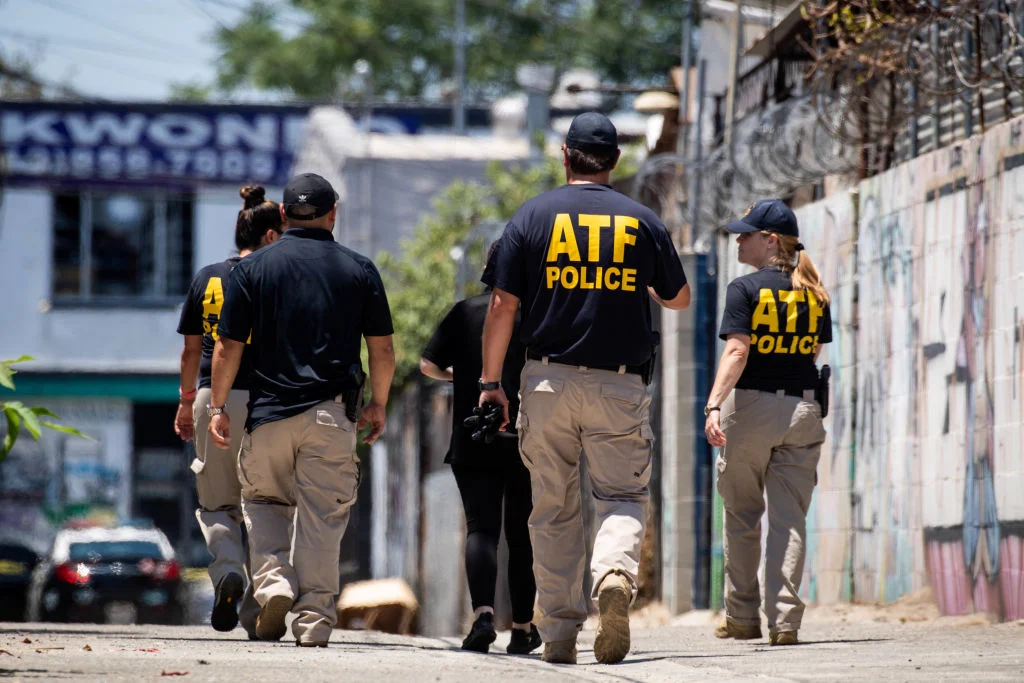
The U.S. Bureau of Alcohol, Tobacco, Firearms and Explosives (ATF) has formally classified a recent cyberattack on one of its critical systems as a "major incident," a designation under federal law that mandates immediate notification to lawmakers in Congress. The breach, which reportedly targeted a standalone system containing highly sensitive information related to "targets of ATF investigations," underscores the persistent and evolving cybersecurity threats facing federal agencies and potentially compromises ongoing law enforcement operations. While the ATF has confirmed it is actively responding to the incident, the notorious Qilin ransomware gang has claimed responsibility, though without providing verifiable evidence.
The Incident: A Targeted Breach of Sensitive Data
The cyberattack came to light on August 27, 2026, when the ATF issued a public statement acknowledging the compromise. According to the bureau, the attack specifically targeted a system described as "standalone" and "separate from the bureau’s network." This detail suggests an attempt by the ATF to mitigate the impact by isolating sensitive operations, yet the successful breach of even such a segregated system highlights the sophistication of the attackers. An ATF spokesperson later clarified that the compromised system housed crucial intelligence, including data on "targets of ATF investigations." This type of information is paramount to the agency’s mission, which includes combating violent crime, illegal trafficking of firearms, and illicit trade of tobacco and alcohol. The potential exposure of such data could have severe repercussions, ranging from compromising active investigations and endangering informants to revealing law enforcement methodologies.
The formal classification as a "major incident" is not merely administrative; it carries significant legal and operational weight. Under federal law, as defined by the Cybersecurity and Infrastructure Security Agency (CISA) guidelines and the Federal Information Security Modernization Act (FISMA), a major incident is a significant cyber event "likely to cause demonstrable harm to the national security interests, foreign relations, or economy of the United States or to the public confidence, civil liberties, or public health and safety of the people of the United States." This designation triggers a mandatory disclosure to Congress within a week of its discovery, ensuring legislative oversight and potentially prompting further inquiries into federal cybersecurity posture.
Qilin Ransomware: A Notorious Adversary
The claim of responsibility by the Qilin ransomware gang, seen on their leak site by TechCrunch, adds a critical dimension to the incident. Qilin is recognized within the cybersecurity community for operating a "ransomware-as-a-service" (RaaS) model. In this highly lucrative and increasingly prevalent criminal enterprise, the core Qilin developers lease their sophisticated hacking tools and infrastructure to various criminal affiliates. These affiliates then conduct the actual attacks, sharing a percentage of any successful ransom payments with the Qilin operators. This model has lowered the barrier to entry for cybercriminals, significantly increasing the volume and reach of ransomware attacks globally.
Qilin’s operations are typically characterized by a "double extortion" strategy. Beyond encrypting a victim’s data and demanding a ransom for its decryption, the gang also exfiltrates sensitive information. They then threaten to publish this stolen data on their leak sites if the ransom is not paid, adding immense pressure on victims to comply. This tactic maximizes the financial leverage of the attackers and compounds the damage, transforming a data unavailability problem into a potentially devastating data privacy and reputation crisis.
The gang has a track record of targeting high-profile entities. Previous victims include media giant Lee Enterprises, which suffered a ransomware attack in March 2025 impacting freelance and contractor payments, and the U.K. pathology lab giant Synnovis, whose systems were breached in December 2024, leading to significant disruptions in healthcare services and exposing patient data. These incidents highlight Qilin’s capability to infiltrate diverse and critical sectors, underscoring the serious threat they pose to organizations, including government bodies like the ATF. The absence of immediate evidence of leaked data from the ATF, however, means the full extent of Qilin’s involvement and the nature of any exfiltrated information remain subject to ongoing investigation.
A Disturbing Trend: Government Agencies Under Siege

The ATF incident is not an isolated event but rather part of a disturbing and growing trend of cyberattacks targeting U.S. government agencies. In recent years, several federal entities have been compelled to declare "major incidents" following significant breaches, demonstrating the persistent vulnerability of even highly protected networks.
- U.S. Marshals Service (2023): In February 2023, the U.S. Marshals Service reported a ransomware attack that compromised a system containing sensitive law enforcement data, including personal information of subjects, third parties, and agency employees. This incident also prompted a major incident declaration and significant internal review.
- FBI Surveillance System (2026): Earlier this year, an FBI system used for surveillance was breached, reportedly exposing phone numbers of targets under federal agents’ surveillance. This event was also classified as a major cyber incident, raising serious questions about the security of highly confidential operational data.
- SolarWinds (2020): While not a ransomware attack, the SolarWinds supply chain attack in late 2020 illustrated the pervasive reach of sophisticated state-sponsored actors, impacting multiple federal agencies and private companies, revealing deep vulnerabilities in government IT infrastructure.
- Office of Personnel Management (OPM) (2015): This historic breach saw the theft of sensitive personal information, including fingerprints and background check data, for millions of current and former federal employees, highlighting the long-term strategic implications of government data compromises.
These incidents collectively paint a picture of an increasingly complex and hostile cyber landscape where federal agencies are constantly fending off attacks from both state-sponsored actors and sophisticated criminal organizations. The motivations vary, from espionage and intellectual property theft to financial gain and disruption, but the common denominator is the relentless assault on digital infrastructure.
The Ramifications: National Security, Public Trust, and Operational Integrity
The compromise of information related to "targets of ATF investigations" carries profound implications for national security and public safety. Such data could include details about ongoing criminal investigations, intelligence on organized crime syndicates, information about individuals involved in illegal firearms trafficking, or even sensitive details about undercover operations. If this information were to fall into the wrong hands – whether rival criminal organizations, foreign adversaries, or individuals seeking to evade justice – the consequences could be catastrophic:
- Compromised Investigations: Attackers could alert targets, allowing them to destroy evidence, flee, or take countermeasures, effectively sabotaging years of investigative work.
- Endangerment of Personnel and Informants: The exposure of identities or operational details could put law enforcement personnel, informants, and their families at grave risk of retaliation or harm.
- Erosion of Public Trust: A breach of this magnitude can severely damage public confidence in the government’s ability to protect sensitive data and conduct its duties securely. This erosion of trust can have long-term effects on cooperation between law enforcement and communities.
- Strategic Intelligence Loss: Depending on the nature of the investigations, the stolen data could provide adversaries with valuable insights into U.S. law enforcement capabilities, priorities, and intelligence-gathering methods.
- Financial Costs: Beyond the immediate costs of incident response, investigation, and system remediation, there are potential long-term financial liabilities related to legal actions, reputational damage, and enhanced security measures. The average cost of a data breach for U.S. organizations reached an estimated $9.48 million in 2023, and for government entities, these costs can be even higher due to the sensitive nature of the data.
Federal Response and Future Outlook
In the immediate aftermath of such an incident, a multi-pronged federal response is activated. The ATF, likely in conjunction with CISA, the FBI, and potentially the National Security Agency (NSA), would be engaged in forensic analysis to determine the exact vector of the attack, the extent of the data compromise, and to develop countermeasures. The Department of Justice, which oversees the ATF, would also be deeply involved in guiding the response and any subsequent legal actions.
The declaration of a "major incident" also ensures that Congressional oversight committees, such as the House Committee on Homeland Security and the Senate Homeland Security and Governmental Affairs Committee, are informed. This typically leads to briefings, hearings, and potentially legislative action aimed at strengthening federal cybersecurity mandates, increasing funding for defensive capabilities, and refining incident response protocols. There is a continuous debate in Congress about the adequacy of federal cybersecurity budgets and the effectiveness of existing frameworks like FISMA in protecting critical government data.
Looking ahead, the incident serves as a stark reminder of the evolving cyber threat landscape. Ransomware gangs like Qilin are becoming increasingly sophisticated, employing advanced social engineering tactics, zero-day exploits, and supply chain attacks to penetrate even well-defended networks. The RaaS model further decentralizes and democratizes cybercrime, making it harder to track and disrupt.
For federal agencies, the challenge is immense. They must not only secure their own vast and complex networks but also manage the cybersecurity risks associated with third-party vendors and legacy systems. Continuous investment in cutting-edge security technologies, robust employee training programs, regular vulnerability assessments, and sophisticated threat intelligence sharing mechanisms are paramount. The ATF incident underscores that even standalone systems, intended for isolation and protection, are not impervious to determined and capable adversaries. It necessitates a re-evaluation of security architectures, emphasizing a "zero-trust" approach where no user or system is inherently trusted, regardless of its location or network segment. The battle for digital security is a continuous one, and the latest breach at the ATF is a potent reminder of its critical importance to national security and the integrity of the justice system.
