

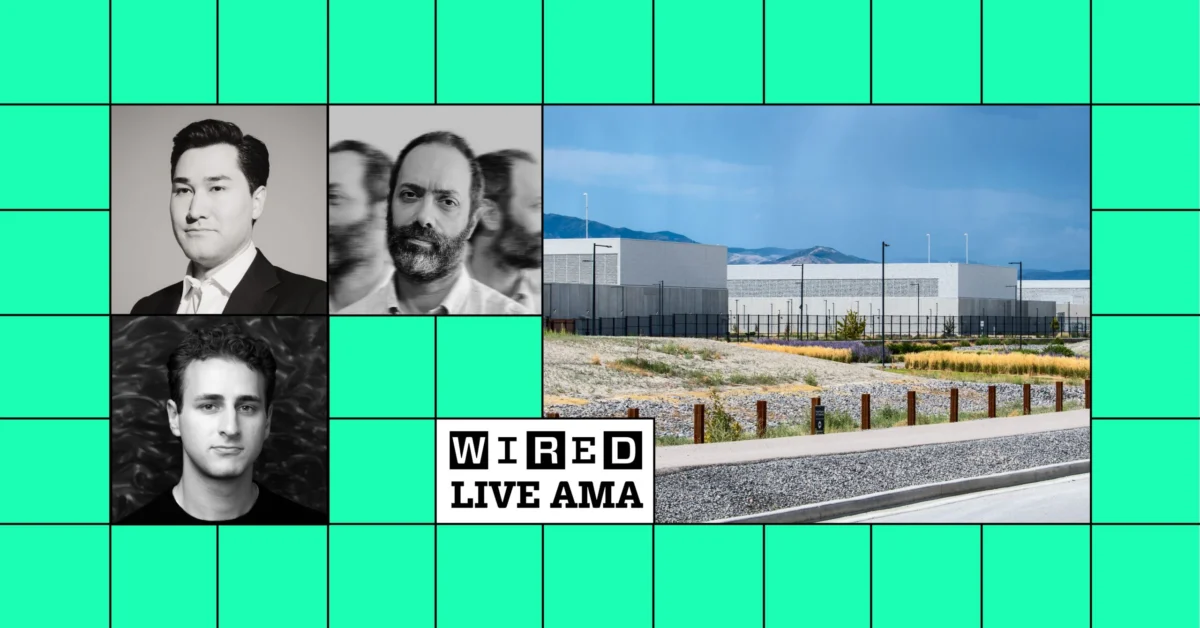
Just a couple of years ago, the term "data center" was largely confined to the technical lexicon of IT professionals and business executives. Today, these sprawling, energy-intensive facilities have become a focal point of intense public scrutiny and political contention across America. The infrastructure underpinning the artificial intelligence revolution, once operating largely in obscurity, is now at the heart of heated discussions spanning politics, business, and environmental sustainability. As the nation approaches the 2026 midterm elections, opposition to data center development has coalesced into a potent issue, galvanizing Americans from across the political spectrum. Recognizing the growing public interest and the complexity of this evolving landscape, WIRED is hosting a livestream Ask Me Anything (AMA) event on September 10 at 12 p.m. ET / 9 a.m. PT, dedicated to answering pressing questions about data centers.
The shift in public perception and engagement with data centers is a relatively recent phenomenon, directly correlated with the exponential growth of AI technologies. These centers, essentially massive warehouses filled with servers, are the physical backbone of the digital world, storing and processing the vast quantities of data required for everything from cloud computing and streaming services to the sophisticated algorithms driving generative AI. The demand for these services has skyrocketed, necessitating a corresponding surge in data center construction. However, this rapid expansion has brought with it a host of challenges that are increasingly impacting local communities and national policy debates.
The Escalating Impact of Data Center Growth
The primary drivers behind the burgeoning opposition to data centers are multifaceted, encompassing environmental concerns, infrastructure strain, and localized economic impacts. Environmentally, data centers are voracious consumers of electricity. Estimates vary, but a single large-scale data center can consume as much power as tens of thousands of homes. This significant energy demand raises critical questions about the source of this power – whether it is derived from renewable sources or fossil fuels – and its contribution to carbon emissions. Furthermore, the immense cooling systems required to prevent server overheating often necessitate substantial water usage, a growing concern in regions facing water scarcity.
Beyond energy and water, the sheer physical footprint of these facilities is a point of contention. The construction of large data centers can lead to land-use changes, impacting local ecosystems and agricultural land. Noise pollution from cooling systems and the constant hum of machinery is another significant concern for nearby residents, transforming quiet neighborhoods into areas plagued by industrial-level noise.
Economically, while data centers promise job creation and tax revenue, the reality on the ground can be more nuanced. Critics argue that the jobs created are often highly specialized and do not significantly benefit the local workforce, while the tax benefits can be offset by the strain placed on local infrastructure, such as roads and utilities, which may require upgrades to support the increased activity.
A Timeline of Rising Concern
The growing unease surrounding data centers can be traced through several key developments over the past few years:
- Early 2020s: The widespread adoption of cloud computing and the burgeoning interest in AI begin to fuel a significant uptick in data center construction globally. Initial concerns are primarily focused on energy consumption within industry circles.
- Mid-2022: As AI applications become more mainstream and visible to the public (e.g., early iterations of large language models), the demand for processing power escalates. Reports begin to emerge about the substantial energy needs of these burgeoning AI operations.
- Late 2022 – Early 2023: Localized opposition to new data center projects begins to gain traction in various states, particularly in regions with high energy demand or water scarcity. Community groups start organizing to voice concerns about environmental impact, noise, and infrastructure strain.
- 2024: The issue moves beyond local activism and enters the broader political discourse. Candidates begin to address data center development on campaign platforms, recognizing its resonance with voters concerned about climate change, resource management, and local quality of life. Media coverage intensifies, highlighting both the economic benefits and the environmental and social costs. The upcoming 2026 midterm elections are increasingly seen as a potential inflection point where data center policy could become a significant electoral issue.
Supporting Data and Industry Trends
The scale of data center growth is staggering. According to industry analysis firms, the global data center market is projected to reach hundreds of billions of dollars in the coming years, with North America being a leading region for investment and expansion. For instance, reports from companies like Statista indicate a consistent year-over-year increase in data center construction, with significant investments being poured into regions like Northern Virginia, known as "Data Center Alley," and expanding into areas like the Pacific Northwest and the Sun Belt.
The energy consumption is equally striking. A 2023 report by the International Energy Agency (IEA) highlighted that data centers and their supporting networks accounted for approximately 1% of global electricity consumption in 2022, a figure that is projected to rise significantly with the continued growth of AI and digital services. The IEA also noted that while efficiency improvements have helped to temper energy growth in recent years, the sheer increase in demand for digital services is outpacing these gains. This trend underscores the urgency of addressing the energy footprint of these facilities.
Water usage is another critical metric. A study by the U.S. Geological Survey (USGS) has indicated that thermoelectric power generation, which includes power plants supplying electricity to data centers, is a major consumer of water in the United States. While direct water consumption by data centers is primarily for cooling, the indirect consumption through electricity generation is substantial and is a growing concern in drought-prone regions.
Navigating the Political Landscape
The bipartisan nature of the backlash is a significant development. Environmental groups, often aligned with progressive voters, raise alarms about climate impact and resource depletion. Simultaneously, conservative voters in some areas express concerns about the burden on local infrastructure, the potential for increased property taxes to fund upgrades, and the perceived imposition of large industrial facilities on rural or suburban landscapes. This confluence of concerns creates a potent political force that candidates are beginning to acknowledge and, in some cases, leverage.
Politicians are increasingly taking stances on data center development. In some jurisdictions, local governments have implemented moratoriums on new construction or enacted stricter zoning regulations to address community concerns. At the state level, legislative proposals are emerging that aim to mandate renewable energy sourcing for data centers, improve water efficiency, or increase transparency regarding their environmental impact. The upcoming 2026 midterm elections will likely see this issue feature prominently in state and local races, and potentially in federal contests, as candidates seek to capture the attention of voters concerned about the tangible impacts of technological advancement on their communities.
Expert Insights and Public Engagement
WIRED’s decision to host an AMA on data centers reflects the growing public demand for clarity and information on this complex topic. The event aims to demystify the infrastructure that powers our digital lives and to provide a platform for informed discussion. By assembling a panel of experts, WIRED intends to address the core questions and concerns that have fueled the current debate. Attendees are encouraged to submit questions in advance, allowing for a targeted and comprehensive exploration of the issues.
The specific composition of the panel is anticipated to include individuals with expertise in the technology sector, environmental policy, urban planning, and potentially representatives from local communities that have grappled with data center development. This multidisciplinary approach is crucial for providing a balanced perspective.
Broader Implications and Future Outlook
The intensified scrutiny of data centers has significant implications for the future of the AI industry and broader technological development. Companies relying on AI will need to consider the environmental and social costs of their infrastructure. This could drive innovation in more energy-efficient computing hardware, advanced cooling technologies that minimize water usage, and the strategic siting of data centers in locations with abundant renewable energy resources.
Furthermore, the political discourse surrounding data centers may lead to new regulations and policy frameworks governing their development and operation. These could include:
- Renewable Energy Mandates: Legislation requiring data centers to source a certain percentage of their electricity from renewable sources.
- Water Conservation Standards: Regulations aimed at reducing water consumption for cooling purposes, potentially promoting the use of air cooling or recycled water.
- Environmental Impact Assessments: Stricter requirements for detailed environmental reviews before new data center construction can proceed.
- Community Benefit Agreements: Mechanisms to ensure that local communities share in the economic benefits of data center development and are compensated for any negative impacts.
- Transparency and Disclosure: Requirements for data center operators to publicly disclose their energy and water usage, as well as their carbon footprint.
The backlash against data centers is not merely a localized phenomenon; it represents a broader societal reckoning with the environmental and social consequences of rapid technological advancement. As the demand for AI and other data-intensive services continues to grow, finding a sustainable and equitable balance between innovation and community well-being will be paramount. The upcoming WIRED AMA serves as a critical opportunity to foster understanding and to contribute to the ongoing dialogue that will shape the future of this vital infrastructure.
For those unable to attend the live event, a replay will be made available to WIRED subscribers. This accessibility ensures that the insights and information shared can reach a wider audience, contributing to a more informed public discourse. The event, coupled with continued investigative journalism and public engagement, will be crucial in navigating the complex path forward for data center development and its profound impact on society.
How to Participate
The WIRED livestream AMA will be broadcast directly on the WIRED platform. Subscribers can tune in at the scheduled time to watch the discussion and engage with the panel. Those who are not yet subscribers are encouraged to subscribe to gain access to this exclusive event, along with the full breadth of WIRED’s in-depth reporting and analysis. Past livestreams covering topics such as AI and its impact on work, the defense technology industry, and the future of electric vehicles are also available for subscribers to explore, offering a rich repository of insights into critical technological and societal trends.
