

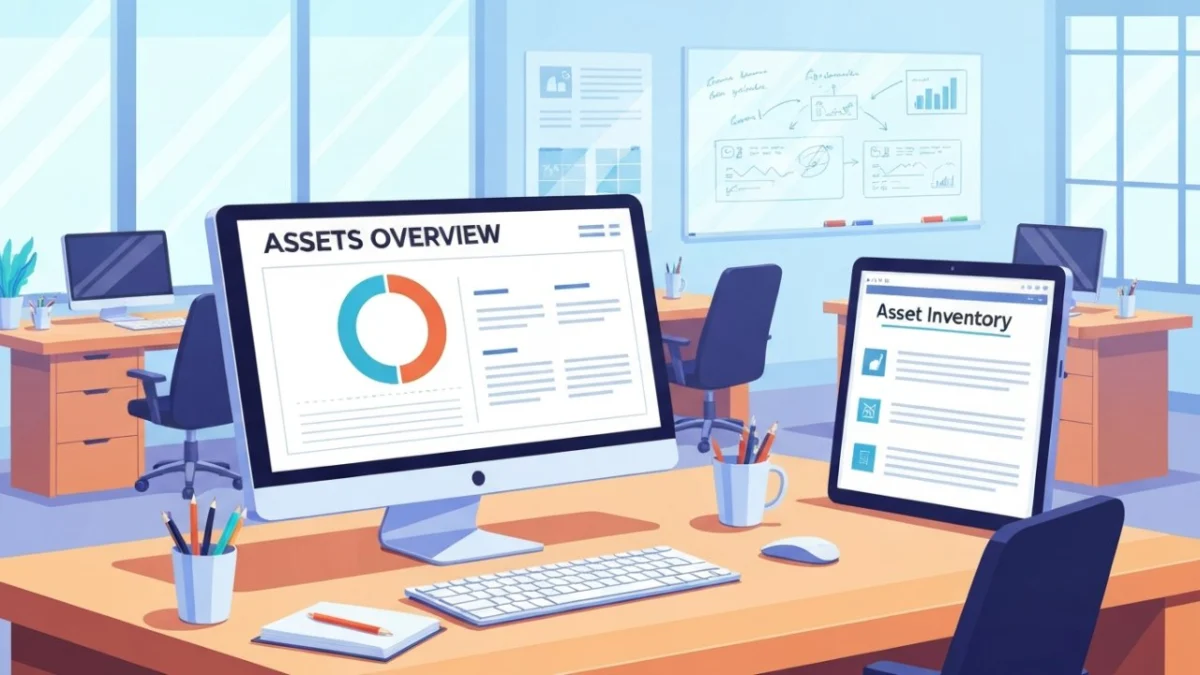
The global landscape of corporate operations is undergoing a fundamental shift as organizations transition from traditional, localized asset tracking to sophisticated, web-based asset management software. This evolution is driven by the necessity for real-time visibility, automated inventory accuracy, and the increasing mobility of the modern workforce. As businesses scale, the ability to manage both physical and digital assets through cloud-based platforms has become a cornerstone of operational resilience and financial accountability. Industry analysts suggest that the adoption of these tools is no longer a luxury but a strategic imperative for companies aiming to mitigate risk and optimize resource allocation in an increasingly competitive market.
The Evolution of Asset Management: From Ledgers to the Cloud
The trajectory of asset management has moved through several distinct phases over the last century. Historically, organizations relied on manual ledgers and physical audits, a process prone to human error and significant time lags. The introduction of spreadsheet software in the late 20th century offered a digital alternative, yet these remained siloed and difficult to synchronize across large departments. The advent of on-premise software provided more robust databases, but often required heavy capital expenditure on servers and dedicated IT staff for maintenance.

The current era is defined by the web-based, or Software-as-a-Service (SaaS), model. This transition represents a paradigm shift in how data is accessed and utilized. By hosting asset management tools on the cloud, organizations eliminate the need for localized hardware and allow for a decentralized approach to inventory control. This historical progression reflects a broader trend in enterprise technology: the movement toward "anywhere, anytime" access and the democratization of data within an organization.
Market Dynamics and Economic Impact
The global asset management software market is experiencing robust growth, with projections suggesting a compound annual growth rate (CAGR) of over 10% through the next decade. According to market research, the valuation of this sector is expected to exceed $5 billion by 2030. This growth is fueled by the rising complexity of IT infrastructure and the proliferation of Internet of Things (IoT) devices in manufacturing and logistics.
Financially, the implementation of web-based solutions addresses the pervasive issue of "ghost assets"—items that are recorded on the books but are physically missing or unusable. Research indicates that ghost assets can account for as much as 15% to 30% of a company’s total inventory, leading to inflated insurance premiums and unnecessary tax payments. By utilizing real-time tracking, firms can reconcile their physical holdings with financial records, resulting in immediate bottom-line improvements.

Core Functional Capabilities of Modern Systems
To understand the impact of these solutions, one must examine the specific features that differentiate web-based platforms from their predecessors.
1. Real-Time Visibility and Lifecycle Tracking
The primary advantage of a web-based system is the ability to track an asset throughout its entire lifecycle, from procurement to disposal. Every stage—acquisition, deployment, maintenance, and retirement—is logged in a centralized database. Real-time updates ensure that when a field technician updates the status of a piece of equipment via a mobile device, the change is instantly visible to management at headquarters.
2. Automated Inventory and IoT Integration
Modern software often leverages automation to reduce manual entry. Integration with IoT sensors and RFID tagging allows assets to "check themselves in" as they move through different zones of a facility. This automation extends to maintenance scheduling; for instance, a system can trigger a service request automatically based on the hours of operation recorded by a machine’s internal sensors.

3. Comprehensive Reporting and Analytics
Data is only as valuable as the insights it generates. Web-based platforms offer advanced analytics dashboards that identify trends, such as which brands of hardware have the highest failure rates or which departments are underutilizing their allocated resources. These reports are essential for informed capital expenditure (CapEx) planning.
Strategic Advantages of Cloud-Based Deployment
The decision to choose a web-based solution over a traditional one is often rooted in three strategic pillars: accessibility, scalability, and security.
Accessibility and Remote Management: With the rise of hybrid work models, the ability to manage assets remotely is critical. Web-based solutions allow IT managers to oversee hardware deployments across multiple geographic regions without being physically present. Mobile accessibility ensures that field workers can update asset logs on-site, improving data accuracy and responsiveness.

Scalability and Cost Efficiency: Traditional software often requires significant upfront investment in licenses and infrastructure. In contrast, web-based solutions typically operate on a subscription-based model. This "pay-as-you-grow" approach allows small and medium-sized enterprises (SMEs) to access enterprise-level tools without the prohibitive initial costs. As a company expands, the software can easily accommodate thousands of additional assets with minimal configuration changes.
Automatic Updates and Maintenance: In a web-based environment, the software provider handles all updates, security patches, and feature enhancements. This relieves the internal IT department of the burden of manual software maintenance, ensuring the organization always operates on the most secure and up-to-date version of the platform.
Evaluating the Leading Solutions
The market for asset management software is diverse, offering specialized tools for different industry needs. When evaluating the top-tier options, organizations generally categorize them based on their primary focus:

- IT Asset Management (ITAM): Platforms like ManageEngine AssetExplorer and InvGate Assets focus heavily on the hardware and software used within an office environment. These tools are designed to track software licenses, prevent compliance audits, and manage the lifecycle of computers and servers.
- Enterprise Asset Management (EAM): For industries like manufacturing or construction, tools that integrate with ERP systems like SAP or Oracle are preferred. These solutions focus on heavy machinery, fleet management, and preventative maintenance.
- Digital Asset Management (DAM): Companies dealing with high volumes of media content utilize DAM software to organize, store, and retrieve digital files like videos, images, and brand assets.
Industry experts emphasize that the "best" software is subjective and depends entirely on an organization’s specific operational requirements and existing tech stack.
Overcoming Implementation Challenges
While the benefits are clear, the transition to a web-based system is not without hurdles. Organizations frequently encounter three primary challenges during implementation:
Data Migration and Integrity: Transitioning from old spreadsheets or legacy databases to a new system requires meticulous data cleansing. If the initial data imported into the new system is inaccurate, the "garbage in, garbage out" principle applies, undermining the software’s effectiveness.

User Adoption and Training: A new tool is only effective if the staff uses it correctly. Resistance to change is a common human factor in digital transformation. Robust training programs and a user-friendly interface are essential to ensure that employees across all levels—from field technicians to C-suite executives—embrace the new workflow.
Security and Compliance Concerns: Entrusting sensitive asset data to a third-party cloud provider requires rigorous security vetting. Organizations must ensure that their chosen provider complies with international standards such as GDPR for data privacy and SOC 2 for operational security. Features like two-factor authentication (2FA) and end-to-end encryption are non-negotiable in the current cybersecurity climate.
Reactions from Industry Leaders
Chief Information Officers (CIOs) and operations managers have largely praised the shift toward web-based management. "The ability to see the health and location of our global assets in a single pane of glass has fundamentally changed our maintenance strategy," noted one operations director at a major logistics firm. "We moved from being reactive—fixing things when they break—to being proactive, which has reduced our downtime by nearly 25%."

Furthermore, financial officers highlight the improved audit readiness provided by these platforms. Having a digital, time-stamped trail of every asset transaction simplifies the auditing process for both internal controls and external regulatory requirements.
Broader Implications and the Future of Asset Management
Looking ahead, the integration of Artificial Intelligence (AI) and Machine Learning (ML) into asset management software is expected to be the next frontier. Predictive analytics will move beyond simple scheduling to forecasting exactly when a component is likely to fail based on environmental factors and usage patterns. This "predictive maintenance" could save industries billions in avoided outages.
Moreover, the push for sustainability is driving interest in "green asset management." Companies are increasingly using these tools to track the carbon footprint of their assets and ensure that electronic waste is disposed of in compliance with environmental regulations.

In conclusion, web-based asset management software represents a significant leap forward in corporate governance and operational efficiency. By providing a centralized, real-time, and scalable platform for asset tracking, these tools allow organizations to make data-driven decisions that enhance productivity and financial health. While the implementation process requires careful planning and a commitment to data integrity, the long-term benefits of visibility and automation provide a clear return on investment. As technology continues to evolve, the organizations that successfully leverage these cloud-based tools will be best positioned to navigate the complexities of the modern global economy.
