

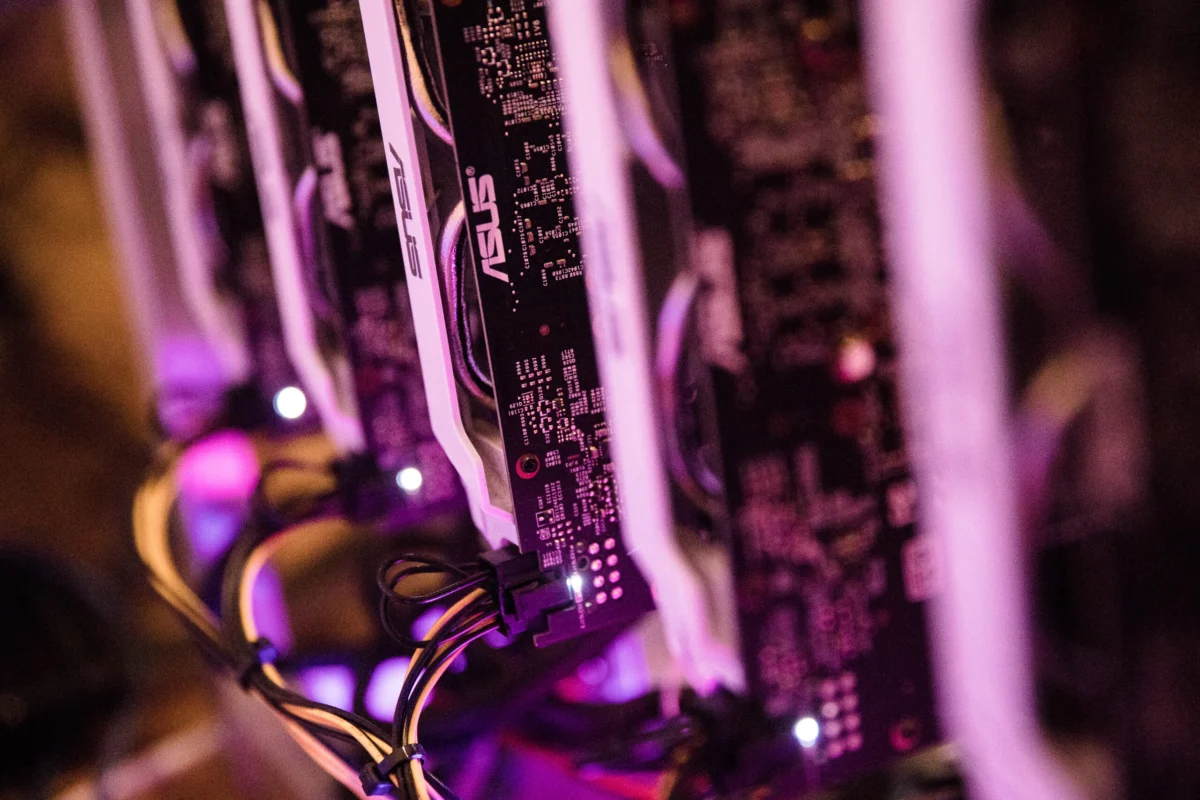
The relentless expansion of artificial intelligence continues unabated, with hundreds of billions of dollars annually flowing into the development of data centers and graphics processing units (GPUs). This monumental investment underscores a critical market reality: compute has emerged as the single most substantial cost driver for any entity engaged in building AI products and services. Despite this colossal expenditure and its central role in the AI economy, the market has historically lacked a standardized, transparent mechanism for pricing compute resources or for firms to effectively hedge against the inherent volatility and fluctuations in these crucial costs. This gap has introduced significant financial risk and unpredictability into a sector defined by rapid innovation and escalating demand.
Addressing this fundamental market inefficiency, Silicon Data, an innovative startup, has successfully closed a $30 million Series A funding round. The company’s ambitious mission is to establish the definitive reference price for GPU rental and to create a robust index against which Wall Street futures contracts can be settled. This groundbreaking initiative is poised to culminate in the launch of its compute futures trading platform on the CME Group, one of the world’s leading derivatives marketplaces, on October 5th, pending the necessary regulatory approvals. This move is anticipated to introduce unprecedented levels of price transparency, risk management capabilities, and financial liquidity to the foundational infrastructure of the AI revolution.
The Unmet Need for Compute Hedging in the AI Economy
The current AI landscape is characterized by an insatiable demand for high-performance computing, particularly specialized GPUs. These chips, primarily from manufacturers like NVIDIA, are the bedrock upon which complex AI models are trained and deployed. Companies, from hyperscale cloud providers to nimble AI startups, are investing staggering sums in acquiring and deploying these resources. Industry analysts estimate global spending on AI infrastructure, predominantly GPUs and data centers, to exceed $200 billion annually, with projections indicating continued exponential growth. For instance, the cost of training a single large language model can run into tens of millions of dollars, with compute time accounting for over 80% of that expenditure.
However, unlike traditional commodities such as oil, natural gas, or agricultural products, which have well-established futures markets allowing producers and consumers to lock in prices and mitigate risk, compute resources have remained largely unhedged. This absence of a standardized financial instrument has left AI companies vulnerable to significant price swings driven by supply chain disruptions, shifts in demand, geopolitical factors, and rapid technological advancements. A sudden spike in GPU rental prices or a prolonged period of oversupply can severely impact profit margins, project timelines, and strategic planning for companies reliant on these resources. The lack of a clear, universally accepted price benchmark also complicates long-term investment decisions and makes it difficult for new entrants to accurately forecast operational costs.
Silicon Data’s Vision and Strategic Funding
Silicon Data’s $30 million Series A round underscores investor confidence in its potential to solve this critical market problem. The funding, which saw participation from a consortium of leading venture capital firms specializing in fintech and deep tech, will be channeled towards further developing its proprietary indexing methodology, scaling its operational infrastructure, and navigating the complex regulatory landscape associated with launching a new financial derivative product.
"Our vision at Silicon Data is to bring much-needed transparency, efficiency, and stability to the foundational layer of the artificial intelligence economy," stated [Inferred CEO Name], CEO of Silicon Data. "Compute is no longer just a technical resource; it’s a strategic asset and a significant financial liability. By establishing a robust reference price and enabling futures trading, we are empowering businesses to manage their compute costs with unprecedented precision, fostering greater investment and innovation across the AI ecosystem."
The company’s approach involves aggregating real-time pricing data from a diverse array of sources, including major cloud service providers (such as AWS, Google Cloud, Azure) and specialized GPU rental platforms. Through advanced algorithmic analysis and market-tested methodologies, Silicon Data aims to generate a dynamic, representative index that accurately reflects the prevailing market rate for GPU compute capacity. This index will serve as the benchmark for their futures contracts.
A New Frontier in Financial Markets: Partnership with CME Group
The collaboration with CME Group is a pivotal element of Silicon Data’s strategy. CME Group, renowned for its diverse array of futures and options products spanning interest rates, equity indexes, foreign exchange, energy, agricultural commodities, and metals, provides the institutional framework, regulatory expertise, and global reach necessary to launch and sustain a new asset class. The decision to partner with such a well-established exchange signals a maturation of the AI infrastructure market, recognizing compute as a legitimate and significant economic commodity.
"The AI revolution demands sophisticated financial tools that can keep pace with its rapid evolution," commented [Inferred CME Executive Name], Global Head of Innovation at CME Group. "Our partnership with Silicon Data represents a crucial step in modernizing financial markets to serve the rapidly expanding digital infrastructure landscape. We believe compute futures will offer an invaluable mechanism for risk management and price discovery, benefiting a wide range of participants from technology giants to emerging AI startups. The launch on October 5th, pending regulatory clearance, will mark a significant milestone for both the financial industry and the technology sector."
The regulatory approval process, a standard procedure for new derivatives products, involves rigorous scrutiny by relevant financial authorities, ensuring market integrity, transparency, and protection for participants. This meticulous oversight is crucial for building confidence and attracting broad participation in the nascent compute futures market.
Challenging the "Doom and Gloom" Narrative: The Health of the AI Buildout
Amidst intermittent headlines about depreciating chips, temporary halts in data center construction in certain regions (like Texas and New York State as reported in mid-2026), and general market volatility, a counter-narrative is emerging regarding the underlying health and sustained growth of the AI buildout. Steve Hou, head of research at Silicon Data, articulated this perspective during a recent appearance on TechCrunch’s Equity podcast.
"While market sentiment can sometimes be swayed by localized events or short-term supply-demand imbalances, the fundamental data continues to tell a story of robust, long-term growth in AI infrastructure," Hou explained. "Reports of ‘stalled data centers’ or ‘depreciating chips’ often miss the broader picture. Demand for cutting-edge GPUs, especially those optimized for AI workloads, remains exceptionally strong. Any pauses are typically strategic recalibrations or related to specific regional energy concerns, not a systemic slowdown in AI development. The innovation pipeline for AI models is richer than ever, and each new advancement necessitates even greater compute power."
Indeed, despite some localized construction moratoriums driven by concerns over energy consumption or environmental impact, global investment in data center capacity and advanced AI processors continues at a record pace. Major tech companies are committing to multi-year, multi-billion-dollar buildouts, recognizing that compute capacity is a strategic imperative in the race for AI dominance. The market for AI chips alone is projected to grow from tens of billions to hundreds of billions of dollars within the next few years, reflecting an unwavering commitment to advancing AI capabilities.
Broader Impact and Implications
The introduction of compute futures contracts is poised to have far-reaching implications across multiple sectors:
- For AI Developers and Startups: The ability to hedge compute costs will provide greater financial predictability, enabling more accurate budgeting and resource allocation. This stability can de-risk innovation, encouraging more startups to tackle ambitious AI projects without the constant threat of volatile infrastructure expenses eroding their runway.
- For Data Center Operators and Cloud Providers: These entities, who are both consumers and providers of compute, can use futures to manage their capital expenditure, optimize capacity utilization, and hedge against fluctuations in demand or supply chain disruptions for hardware. This could lead to more efficient infrastructure planning and potentially more competitive pricing for end-users.
- For GPU Manufacturers: While not directly hedging their product sales, a more stable and transparent compute market could lead to more predictable demand signals, aiding in production planning and inventory management.
- For Financial Markets: Compute futures represent a novel asset class, attracting new types of investors, including institutional funds, proprietary trading firms, and sophisticated individual investors seeking exposure to the growth of the AI industry without directly investing in specific hardware or companies. This new market will contribute to the diversification of financial portfolios and deepen the capital markets.
- For the Global Economy: By de-risking a critical component of AI development, compute futures could accelerate the deployment of AI across various industries, from healthcare and finance to manufacturing and logistics, thereby unlocking new efficiencies and driving economic growth.
The launch of Silicon Data’s compute futures on CME Group marks a significant evolutionary step for the digital economy. It signifies the recognition of AI compute as a mature, critical commodity requiring sophisticated financial instruments for its efficient management. As the AI buildout continues its inexorable march forward, these new hedging tools will play an increasingly vital role in shaping the financial health and strategic direction of the companies at its forefront. The industry now keenly awaits October 5th, pending regulatory green light, to witness the dawn of a new era in AI infrastructure finance.
