

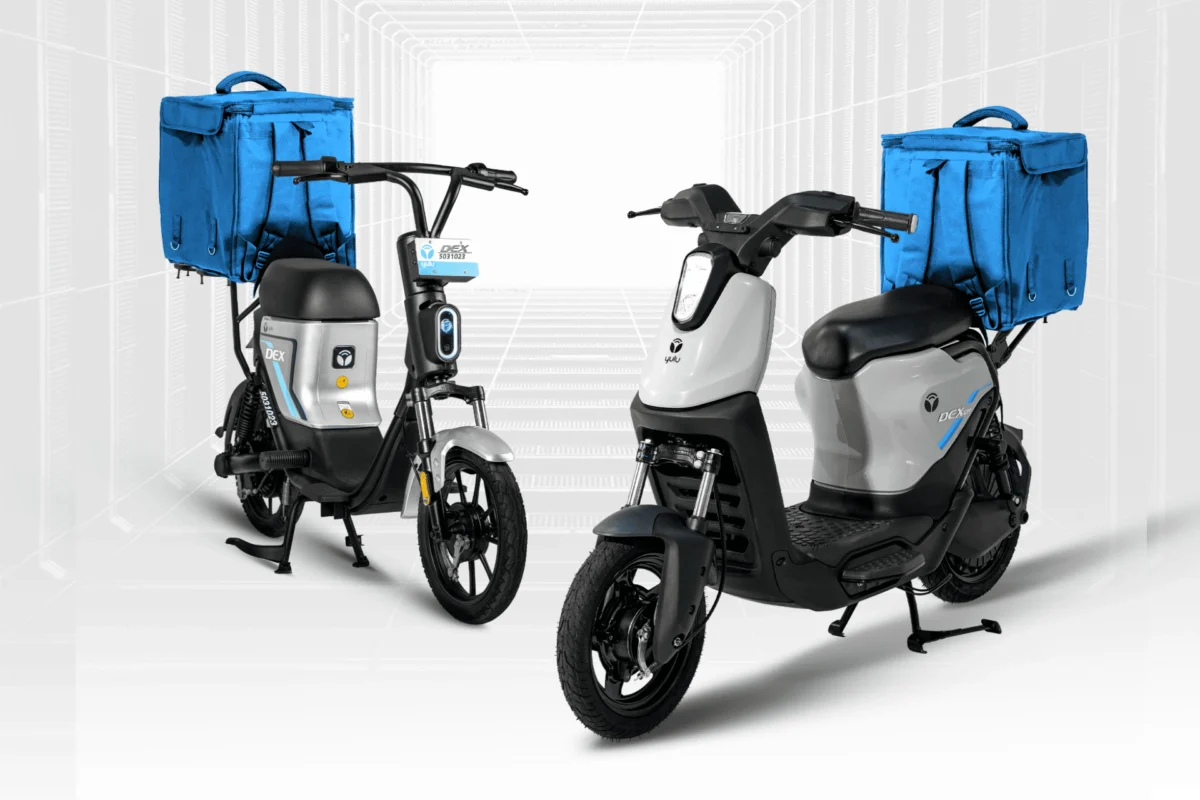
Bengaluru, India – In a significant move that underscores the burgeoning nexus of quick-commerce, the gig economy, and electric mobility in India, Yulu, a Bengaluru-based electric mobility startup, has successfully raised $93 million in fresh funding. This substantial capital injection, comprising $63 million in equity led by GEF Capital Partners and an additional $30 million in debt financing, positions Yulu to dramatically scale its operations, aiming to quadruple its fleet to 200,000 vehicles over the next two years and introduce faster electric two-wheelers tailored for evolving logistics demands.
The funding round arrives amidst a fervent race among India’s quick-commerce platforms to deliver an increasingly diverse array of goods—from daily groceries to high-value smartphones—within minutes. This hyper-competitive environment has created an unprecedented demand for agile, cost-effective, and sustainable last-mile delivery solutions, a niche Yulu has strategically cultivated and now seeks to dominate. Yulu’s core offering revolves around providing electric two-wheelers on flexible weekly subscription plans, enabling delivery drivers to seamlessly integrate into the gig economy without the prohibitive upfront costs and ongoing maintenance associated with personal vehicle ownership. This model not only lowers the barrier to entry for gig workers but also aligns with broader environmental sustainability goals.
Strategic Capital Infusion for Scaled Growth
The Series C equity component saw GEF Capital Partners taking the lead, injecting crucial growth capital into the startup. Co-founder and CEO Amit Gupta disclosed that approximately $5.5 million of the equity was utilized to repurchase shares from early seed investors, whose investment horizons were nearing their conclusion. This move is indicative of a mature fundraising strategy, allowing existing investors a planned exit while bringing in fresh capital committed to long-term growth. Post-money, the deal valued Yulu at an estimated $170 million, a figure Gupta chose not to officially confirm but also did not dispute, according to sources familiar with the transaction.
Notably, existing strategic investors Bajaj Auto and Magna International opted not to participate in this particular round, waiving their pre-emptive rights. Gupta clarified that this decision facilitated GEF Capital in acquiring its targeted ownership stake, suggesting a collaborative approach among investors rather than a lack of confidence. Bajaj Auto, a venerable Indian automotive giant, has been a key partner in manufacturing Yulu’s existing low-speed fleet, demonstrating a continued strategic alignment despite not participating in the latest funding round. Looking ahead, Gupta indicated that this Series C is anticipated to be Yulu’s final equity fundraising before an eventual public listing, with subsequent fleet expansion projected to be financed predominantly through debt and lease financing mechanisms. This indicates a clear path towards financial self-sufficiency and public market readiness.
Powering the Gig Economy: Yulu’s Unique Business Model
Yulu’s business model is ingeniously structured to serve the backbone of India’s digital economy: the gig worker. By providing easily accessible, affordable, and zero-emission electric two-wheelers, Yulu addresses critical pain points for delivery personnel, including high fuel costs, vehicle depreciation, and the initial investment barrier. The company currently operates a substantial fleet of approximately 50,000 vehicles across multiple Indian cities. This fleet, as reported by Yulu, logs an impressive 1.6 million zero-emission miles each week, facilitating over 750,000 deliveries daily. These figures not only highlight Yulu’s operational scale but also its tangible contribution to reducing carbon emissions in urban logistics.
The shift towards this gig-worker-centric model represents a significant evolution for Yulu. Originally founded in 2017 as a bike-sharing service for urban commuters, the startup found its most substantial opportunity during the unforeseen circumstances of the COVID-19 pandemic. The pandemic-induced lockdowns and the subsequent surge in demand for food and grocery deliveries dramatically accelerated the need for efficient and reliable last-mile logistics. Yulu swiftly pivoted, reorienting its services to cater primarily to this burgeoning segment. Today, CEO Amit Gupta confirms that about 95% of Yulu’s revenue is derived from renting electric bikes to gig workers through its weekly subscription model. The remaining 5% comes from its station-based rental service, primarily concentrated in Bengaluru, its home city. This strategic pivot also led to the company abandoning earlier plans to sell bikes directly to consumers, solidifying its focus on the B2B2C model within the logistics sector.
The Evolution of Yulu: From Commuter Sharing to Logistics Backbone
Yulu’s journey from a pioneering bike-sharing startup to a critical infrastructure provider for the gig economy is a compelling case study in market adaptation. Launched in 2017 with the vision of decongesting urban traffic and promoting sustainable commuting, Yulu initially deployed its low-speed electric bikes for short-distance urban travel. This early phase saw the company grappling with the typical challenges of public bike-sharing systems, including vehicle utilization, maintenance, and user adoption patterns.
The turning point arrived with the onset of the COVID-19 pandemic in early 2020. As cities shut down and physical movement was restricted, the demand for traditional commuter bike-sharing plummeted. Simultaneously, the e-commerce and quick-commerce sectors experienced an unprecedented boom, with millions of households relying on doorstep deliveries for essentials. Recognizing this seismic shift in consumer behavior and market needs, Yulu made a decisive strategic pivot. It repurposed its fleet and operational infrastructure to serve the burgeoning army of delivery partners working for platforms like Swiggy, Zomato, Amazon, and Flipkart. This pivot was not merely an opportunistic move but a fundamental re-evaluation of its value proposition, transforming Yulu into an indispensable asset for the last-mile delivery ecosystem. This chronological shift underscores Yulu’s agility and its ability to identify and capitalize on macro-economic trends.
Driving India’s Electric Vehicle Revolution
Yulu’s expansion is intricately linked with India’s broader push towards electric vehicle (EV) adoption and sustainable urban mobility. The Indian government has aggressively promoted EVs through initiatives like the FAME (Faster Adoption and Manufacturing of Electric Vehicles) scheme, offering subsidies and incentives for both manufacturers and consumers. This policy support, coupled with rising fuel prices and growing environmental consciousness, has created a fertile ground for EV startups like Yulu.
According to industry reports, India’s EV market is projected to grow at a compound annual growth rate (CAGR) of over 49% between 2021 and 2030, reaching significant market penetration. The two-wheeler segment, which constitutes the largest share of vehicles on Indian roads, is at the forefront of this transition. By providing an accessible EV solution for the gig economy, Yulu is not only contributing to cleaner air in congested urban centers but also democratizing access to sustainable transportation for a large workforce. Each Yulu electric mile represents a reduction in greenhouse gas emissions and a step towards India’s ambitious climate targets. The cumulative 1.6 million zero-emission miles logged weekly by Yulu’s fleet translate into a substantial environmental benefit, aligning the company’s commercial success with national sustainability imperatives.
Expansion and Innovation: The Road Ahead
The newly secured funding is earmarked for aggressive expansion and technological innovation. Yulu’s ambitious target to scale its fleet from 50,000 to 200,000 vehicles within the next two years signifies a fourfold increase, requiring substantial investment in manufacturing, charging infrastructure, and operational logistics. A key component of this expansion strategy is the introduction of a new, full-sized, higher-speed electric scooter, aptly named Yulu Express. This new model is specifically designed to address use cases that Yulu’s current low-speed fleet could not efficiently cover, such as longer-haul e-commerce deliveries, bike taxi services, and express parcel logistics. These segments demand greater speed, range, and carrying capacity, expanding Yulu’s market reach significantly.
Amit Gupta revealed that approximately one-third of the planned 200,000-vehicle fleet will consist of this new Yulu Express model. While Yulu’s existing low-speed fleet is manufactured by Bajaj Auto, the new high-speed scooter will be sourced from a different, unnamed Indian manufacturer, indicating a diversification of its supply chain and a strategic move to leverage specialized manufacturing capabilities for different vehicle types. Currently, about 500 Yulu Express bikes are already operational in Bengaluru, undergoing trials in three additional cities to fine-tune their performance and market fit.
Geographical expansion is another critical pillar of Yulu’s growth strategy. The company currently operates in 12 Indian cities, maintaining its own operations in major metropolitan hubs like Bengaluru, Mumbai, Delhi-NCR, and Hyderabad. In eight other markets, Yulu employs a franchise model, demonstrating a flexible approach to market entry and scaling. The goal is to extend its footprint to roughly 20 cities within the next year, with Chennai and Pune identified as prime targets for this rapid expansion. This aggressive growth trajectory reflects confidence in its business model and the immense untapped potential in India’s tier-1 and tier-2 cities for electric last-mile delivery.
Strategic Partnerships and Market Position: The "AWS of Mobility"
Yulu’s strategic positioning within the Indian logistics ecosystem is perhaps best encapsulated by Amit Gupta’s analogy: "the AWS of mobility." This comparison highlights Yulu’s role as a foundational infrastructure provider, supplying the essential tools (electric vehicles) that enable a vast network of gig workers to operate. Yulu proudly partners with almost every major quick-commerce, food-delivery, and e-commerce platform in India, including industry behemoths like Amazon and Walmart-owned Flipkart. Crucially, while these platforms are its indirect beneficiaries, Yulu’s direct customers are the gig workers themselves, who subscribe to its bikes.
This B2B2C model circumvents the need for third-party logistics providers to take a cut, streamlining the process and potentially offering better earnings for delivery partners. By providing a standardized, reliable, and cost-effective vehicle solution, Yulu empowers individual gig workers, fosters greater efficiency in the last-mile delivery chain, and reduces operational complexities for the large e-commerce platforms. This infrastructure-as-a-service approach for mobility positions Yulu as a critical enabler in India’s digital economy, much like Amazon Web Services provides the foundational cloud infrastructure for countless digital businesses.
Financial Trajectory and Future Outlook
Beyond operational expansion, Yulu is also charting a clear course towards sustained profitability. CEO Amit Gupta affirmed that the startup achieved positive EBITDA (Earnings Before Interest, Taxes, Depreciation, and Amortization) in the last financial year, a significant milestone for a growth-stage company. The company is now targeting profitability before interest and taxes (PBIT) by the next fiscal year. This financial discipline, coupled with aggressive revenue growth—a reported seven-fold increase between fiscal 2023 and fiscal 2026, though specific figures were not disclosed—signals a robust business model moving towards financial independence.
The decision to fund future fleet expansion primarily through debt and lease financing post-Series C equity round is a strategic move, indicative of a company confident in its cash flows and asset-heavy growth model. This approach allows Yulu to leverage its assets efficiently without further diluting equity, paving the way for a more favorable valuation ahead of an eventual public listing. The ambition for an IPO underscores Yulu’s long-term vision and its potential to become a publicly traded leader in the sustainable mobility sector.
Investor Confidence and Market Implications
The $93 million funding round is a strong vote of confidence from investors like GEF Capital Partners, known for their focus on sustainable and impactful businesses. GEF Capital’s investment thesis likely centers on Yulu’s alignment with global environmental, social, and governance (ESG) principles, its scalable business model addressing a critical market need, and its strong growth trajectory within India’s dynamic digital economy. The continued involvement of strategic partners like Bajaj Auto, even if not participating in this specific round, further validates Yulu’s market position and technological prowess.
The implications of Yulu’s expansion are far-reaching. For urban mobility, it promises cleaner, less congested streets. For the gig economy, it offers enhanced economic opportunities and reduces financial burdens for delivery partners. For the quick-commerce sector, it provides a crucial, scalable, and sustainable logistics backbone, enabling faster and more reliable deliveries. As India continues its rapid urbanization and digitalization, companies like Yulu are not just providing a service; they are shaping the future of urban living and commerce. The increased competition in the last-mile EV space, with players like Zypp Electric also raising significant capital, indicates a burgeoning market ripe for innovation and growth. Yulu’s strategic moves, backed by substantial funding, position it as a frontrunner in this transformative journey, set to make a lasting impact on India’s green and digital future.
