

The United States hydropower industry, a cornerstone of the nation’s renewable energy portfolio, currently stands at a critical crossroads as a wave of bipartisan legislation hits the floor of the House and Senate. Driven by a shared concern over a "relicensing cliff" that threatens nearly half of the country’s existing hydropower capacity, lawmakers from across the political spectrum have identified a singular obstacle to progress: a dense and often contradictory thicket of bureaucratic red tape. As the summer district work period approaches, a suite of bills—including the FLOWS Act, the Hydropower Licensing Affordability Act, the Section 408 Reform bill, and the CURRENT Act—seeks to modernize a regulatory framework that many industry experts argue is more suited to the mid-20th century than the modern energy transition.
Hydropower remains the oldest and most reliable source of renewable baseload power in the United States, providing approximately 6% of the nation’s total electricity and nearly 28% of its renewable energy. However, the infrastructure is aging, and the legal requirements to keep these plants operational have become increasingly burdensome. Matthew Allen, the National Hydropower Association’s (NHA) senior director of legislative affairs, emphasized the urgency of the situation, noting that while hydropower provides dependable power and critical infrastructure that lowers consumer bills, the current licensing process is a significant bottleneck. According to the NHA, approximately 16 gigawatts (GW) of hydropower capacity are slated for relicensing within the next decade, a process that can currently take upwards of a decade to complete and cost millions of dollars in administrative and legal fees.
The Looming Relicensing Crisis and Economic Stakes
The urgency behind these legislative efforts is underscored by the sheer volume of the American hydropower fleet nearing the end of its current regulatory life cycle. Industry data suggests that by 2030, roughly 40% of the non-federal hydropower fleet will require new licenses from the Federal Energy Regulatory Commission (FERC). Under the current regime, the average time to receive a new license is seven to ten years, though some projects have languished in regulatory limbo for more than fifteen years.
This delay does more than just create administrative headaches; it poses a direct threat to grid reliability. Hydropower is unique among renewables for its ability to provide "black start" capabilities—the ability to restart the grid after a total blackout—and its capacity for long-duration storage through pumped storage facilities. As coal and nuclear plants retire, the loss of existing hydro capacity due to licensing costs would create significant gaps in the nation’s baseload power supply. Furthermore, the economic impact on rural communities, where many of these facilities are located, is substantial. Hydropower projects often serve as the primary tax base for small counties and provide high-paying, multi-generational employment.
The FLOWS Act: Streamlining Maintenance and Emerging Tech
Introduced by Representatives Nick Langworthy (R-NY) and Kim Schrier (D-WA) in the House, with Senate support from Lisa Murkowski (R-AK) and Angus King (I-ME), the FLOWS Act targets the inefficiencies in routine operational updates. Historically, the licensing process has failed to distinguish between the construction of a massive new dam and the routine replacement of aging turbines or the deployment of small-scale marine energy devices.
The act seeks to create a "fast track" for maintenance that does not significantly alter the environmental footprint of a facility. By streamlining these approvals, the bill aims to encourage operators to upgrade to more efficient, modern turbines that can produce more power with the same amount of water. Additionally, the FLOWS Act provides a much-needed regulatory pathway for marine energy—technologies that harness the power of waves, tides, and currents. While the Department of Energy estimates that wave and tidal energy could theoretically power millions of homes, the lack of a tailored licensing process has stifled investment in these emerging technologies.
Reforming the Federal Power Act: The Hydropower Licensing Affordability Act
Perhaps the most significant structural change proposed is the Hydropower Licensing Affordability Act, introduced by Senators Murkowski, Steve Daines (R-MT), and Jim Risch (R-ID). This legislation takes aim at the Federal Power Act (FPA), specifically Sections 4(e) and 18, which currently allow various federal resource agencies to impose "mandatory conditions" on a license.
Under the current law, agencies such as the U.S. Fish and Wildlife Service or the National Marine Fisheries Service can demand specific mitigation measures—such as fish ladders or specific flow rates—that FERC is legally required to include in the license, regardless of the cost or the impact on the project’s economic viability. The proposed reform would limit these mandatory conditions to those that address "direct adverse effects" caused by the project.
The American Public Power Association has long argued that the lack of oversight on these conditions has allowed agencies to use the licensing process to pursue broader environmental goals unrelated to the specific impact of the dam. By requiring a nexus between the project’s impact and the mandated mitigation, the bill seeks to bring transparency and cost-benefit analysis back to the forefront of the regulatory process.
Section 408 Reform: Unlocking Potential at Existing Dams
A separate but equally vital effort led by Senators Daines and Maggie Hassan (D-NH) focuses on the U.S. Army Corps of Engineers (USACE). Currently, there are over 90,000 dams in the United States, but only about 3% of them produce electricity. Many of the remaining non-powered dams are owned and operated by the Army Corps for flood control or navigation.
The Section 408 licensing process, which governs modifications to USACE civil works projects, is notoriously inconsistent. Developers have reported that requirements and timelines vary wildly from one Army Corps district to another, making it difficult to secure financing for retrofitting these dams with power-generating equipment. The Section 408 Reform bill seeks to standardize these reviews across all districts. A recent assessment by the Army Corps itself suggests that adding power to existing non-powered dams could produce an additional 3 GW of clean energy without the environmental disruption of building new river obstructions.
The CURRENT Act and Clean Water Act Section 401
The fourth pillar of this legislative push is the Certainty and Uniform Reviews for Reliable Energy and Transmission (CURRENT) Act, introduced by Congressmen Adam Gray (D-CA) and David Rouzer (R-NC). This bill addresses Section 401 of the Clean Water Act, which requires federal permit applicants to obtain a water quality certification from the state or tribe where the project is located.
In recent years, Section 401 has become a flashpoint for litigation. Several states have used their certification authority to block energy projects based on factors unrelated to water quality, such as climate change impacts or land use concerns. The CURRENT Act would limit a state’s ability to mandate conditions to only those directly affecting federal water quality standards. Proponents argue this would prevent the "weaponization" of the Clean Water Act, while critics, including some environmental advocacy groups, warn that it could undermine state sovereignty and local environmental protections.
Chronology of the Legislative Momentum
The current push for reform is the culmination of several years of mounting pressure from industry leaders and grid operators.
- 2021: The Infrastructure Investment and Jobs Act provided $2.4 billion for hydropower, but industry leaders warned that without permitting reform, the money would be slow to translate into projects.
- 2022-2023: The National Hydropower Association and a coalition of environmental groups, including American Rivers, formed the "Uncommon Dialogue," reaching a historic agreement on the need for licensing reform that balances power production with river health.
- Early 2024: House and Senate committees held a series of hearings where testimony highlighted the disparity between the two-year permitting goal for solar and wind versus the ten-year reality for hydro.
- Summer 2024: The introduction of the FLOWS, CURRENT, and Affordability Acts marks the most concentrated legislative effort to address these issues in over a decade.
Analysis of Implications: Stability Versus Speed
The proposed reforms represent a shift in how the federal government views hydropower—moving from a legacy technology to be managed, to a critical clean energy asset to be expanded. If passed, these bills could unlock billions of dollars in private investment. The standardization of Section 408 alone could lead to a "gold rush" of retrofitting existing dams, which is widely considered the most environmentally friendly way to expand the nation’s renewable footprint.
However, the path forward is not without friction. Environmental organizations remain divided. While groups like American Rivers have participated in the "Uncommon Dialogue" to find middle ground, others fear that limiting the power of resource agencies and states under the Clean Water Act could lead to degraded river ecosystems and the loss of fish populations.
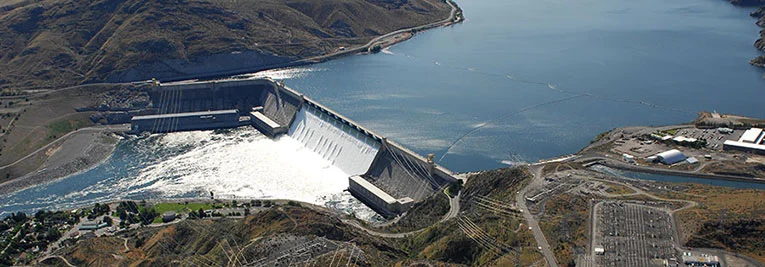
From a geopolitical and national security perspective, the modernization of the hydropower fleet is increasingly viewed as a necessity. As the U.S. seeks to decouple its energy grid from volatile global fossil fuel markets and reduce reliance on foreign-made components for solar and wind, the domestic hydropower industry offers a "Made in America" solution. The Grand Coulee Dam, a Bureau of Reclamation project often cited as a symbol of American engineering prowess, serves as a reminder of the scale and longevity of these assets. Lawmakers are now betting that by clearing the bureaucratic path, they can ensure that the next generation of American hydropower is as robust as the last.
As these bills move toward committee markups, the focus will remain on the balance between speed and stewardship. With 16 GW of power on the line, the stakes for the American consumer and the environment have rarely been higher.
