

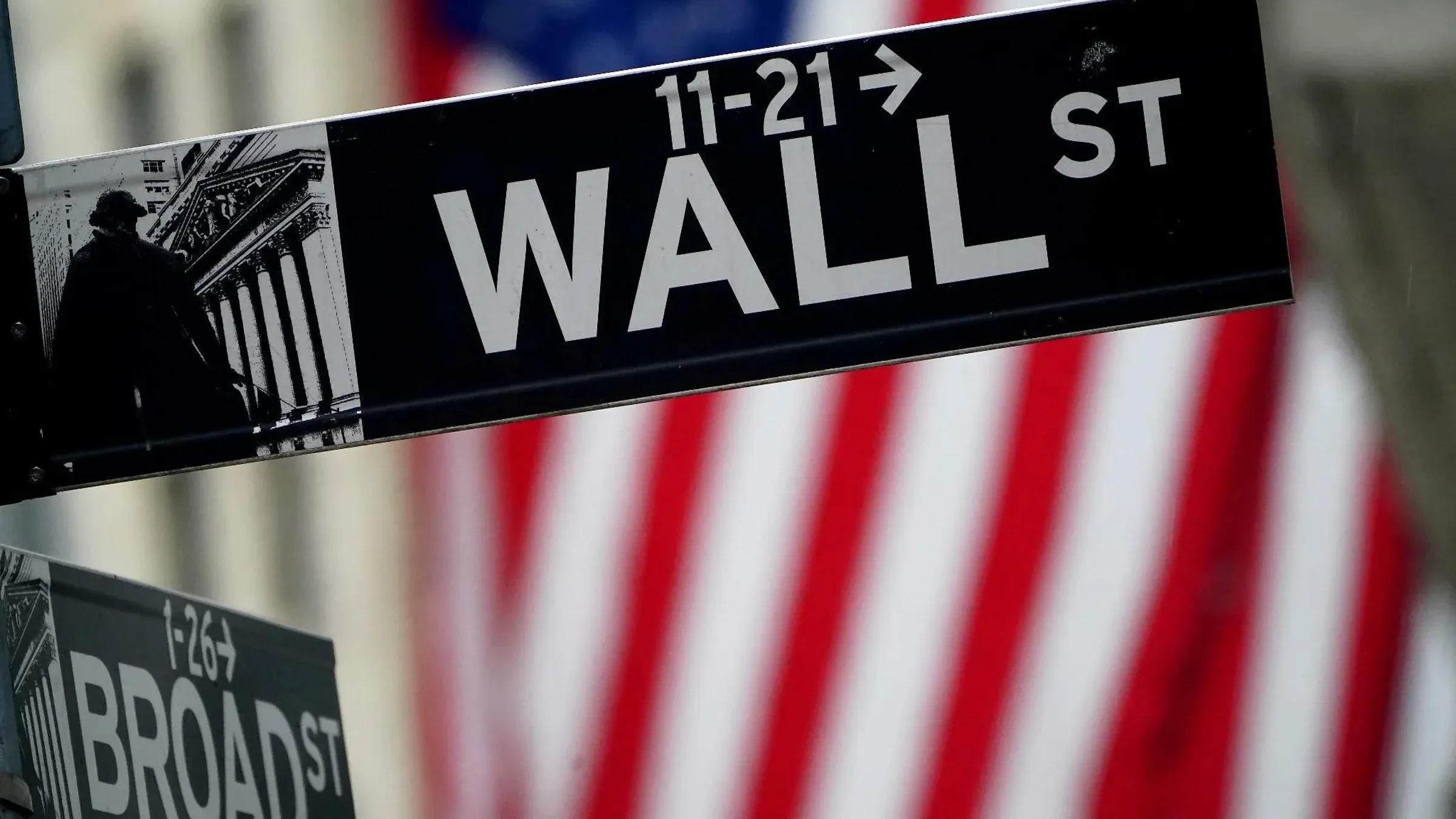
Düsseldorf – Following a week marked by a cascade of record highs, investors on Wall Street adopted a more restrained posture on Monday. Major indices experienced minimal fluctuations in early trading, mirroring the hesitant start seen in European markets as the trading week commenced. This cautious approach comes after a period of significant market gains, fueled by perceived de-escalation in the Middle East and surprisingly weak U.S. employment figures, which had propelled indices to their most substantial weekly gains since April. However, the swiftness of these advancements has also heightened the likelihood of some traders opting to lock in profits, contributing to the current market indecision.
Economic Undercurrents Drive Market Sentiment
The recent surge in equity markets was significantly influenced by two key factors: a perceived easing of geopolitical tensions in the Middle East and a notable deceleration in U.S. job growth. The latter, in particular, has recalibrated expectations regarding the future trajectory of interest rates. The U.S. Federal Reserve (Fed) has been meticulously monitoring employment data as a crucial indicator of economic health and potential inflationary pressures.
The unexpectedly weak U.S. jobs report, released last Friday, suggested a cooling labor market. This data point has diminished the probability of further interest rate hikes by the Federal Reserve. Prior to this report, a substantial majority of market participants had anticipated a rate increase in September. However, current projections, as indicated by CME’s FedWatch tool, show only about 46% of traders assigning a likelihood to such a move. This shift in sentiment is critical, as higher interest rates can act as a dampener on economic activity and corporate earnings, potentially impacting stock valuations.
The implications of a softer labor market are multifaceted. On one hand, it reduces the immediate pressure on the Fed to tighten monetary policy further, which is generally viewed as positive for equity markets in the short term. It suggests that the economy might be experiencing a more sustainable, albeit slower, growth path, mitigating the risk of overheating and subsequent aggressive policy responses. On the other hand, a persistently weak labor market could signal underlying economic headwinds, raising concerns about future corporate revenue and profit growth. The market’s current cautious stance reflects this delicate balance, with investors assessing whether the cooling labor market is a sign of healthy moderation or a precursor to broader economic slowdown.
Geopolitical Crosscurrents and the Strait of Hormuz
Adding another layer of complexity to the market’s outlook is the persistent uncertainty surrounding geopolitical developments in the Middle East, particularly concerning the Strait of Hormuz. This vital maritime chokepoint, through which a significant portion of the world’s oil supply transits, remains a focal point of regional tensions.
Recent reports indicated that Iran was nearing a final agreement with Oman regarding new shipping routes. Such an accord could potentially alleviate some of the immediate concerns regarding the security of navigation in the region. However, Tehran has simultaneously reiterated its stance that the United States must meet several conditions before the strategically crucial waterway can be fully reopened and its security definitively assured. This conditional approach underscores the intricate diplomatic maneuvering and the continued fragility of the situation.
The Strait of Hormuz has historically been a flashpoint, and any disruption to its traffic can have immediate and far-reaching consequences for global energy markets. A sustained period of elevated tensions or a direct conflict in the region could lead to significant spikes in oil prices, triggering inflationary pressures and negatively impacting global economic growth. Conversely, a verifiable de-escalation and the establishment of stable shipping routes would likely provide a considerable tailwind for the global economy, reducing energy costs and boosting consumer and business confidence.
The market’s current behavior suggests that while the immediate threat of major disruption might have receded, the underlying risks remain. Investors are keenly observing diplomatic efforts and any pronouncements from regional powers and international bodies to gauge the evolving geopolitical landscape. The potential impact of oil price volatility, directly linked to the security of the Strait of Hormuz, is a significant consideration for the ongoing market sentiment.
A Look Back: The Week of Record Breakers
The preceding week was characterized by a remarkable surge across major stock indices, culminating in several new record highs. This rally was broadly attributed to a confluence of factors that fostered a more optimistic market environment.
The perceived thaw in Middle Eastern tensions, stemming from diplomatic engagements and a reduction in overt hostilities, provided a significant boost to investor confidence. Markets often react negatively to geopolitical instability, and any signal of de-escalation is typically met with relief and a renewed appetite for risk assets.
Simultaneously, the release of economic data painting a picture of a moderating U.S. economy, particularly the aforementioned weaker-than-expected jobs report, played a pivotal role. This data suggested that the Federal Reserve might be nearing the end of its interest rate hiking cycle, a prospect that generally benefits equity markets. Lower interest rates reduce borrowing costs for businesses and consumers, can stimulate investment, and make stocks relatively more attractive compared to fixed-income investments.
The combination of these positive catalysts resulted in the most significant weekly gains for the major indices since April. This rapid ascent, however, can also sow the seeds of its own correction. As markets reach new heights, profit-taking becomes a natural inclination for many investors who aim to secure their gains before any potential downturn. This dynamic contributes to the observed choppiness and indecision that often follows periods of rapid ascent.
Analyzing the Fed’s Stance and Future Monetary Policy
The Federal Reserve’s monetary policy decisions are of paramount importance to the financial markets. The central bank’s dual mandate of maintaining price stability and maximizing employment guides its actions. In recent times, the Fed has been engaged in a battle against persistent inflation, leading to a series of interest rate hikes designed to cool the economy.
The recent labor market data, however, has introduced a significant variable into the Fed’s calculus. A cooling labor market, while potentially indicating a successful moderation of economic activity, also raises concerns about the risk of a recession if policy tightening becomes too aggressive. The Fed must navigate a narrow path, aiming to bring inflation under control without triggering a significant economic downturn.
The shift in market expectations regarding future rate hikes is a clear indication of how investors are interpreting the incoming economic data. The reduced probability of a September rate hike suggests that the market believes the Fed may be nearing a pause or even a pivot in its monetary policy stance. This sentiment can be a powerful driver of market performance, as investors adjust their portfolios in anticipation of a less restrictive monetary environment.
However, it is crucial to note that the Fed’s decisions are data-dependent. Future economic releases, including inflation figures and further employment reports, will be closely scrutinized. Any resurgence in inflation or renewed strength in the labor market could prompt the Fed to reconsider its approach. Therefore, the current market optimism driven by expectations of a Fed pivot might be subject to change based on subsequent data.
Broader Market Implications and Forward-Looking Analysis
The current market sentiment, characterized by a blend of cautious optimism and underlying apprehension, reflects the complex interplay of economic and geopolitical forces. While the recent record highs suggest a degree of resilience and underlying strength in the market, the present indecision highlights the significant uncertainties that lie ahead.
Key implications for investors and the broader economy include:
- Inflationary Pressures: The stability of oil prices, intrinsically linked to the geopolitical situation in the Middle East, remains a critical determinant of future inflation. Any escalation in regional tensions could reignite inflationary concerns, forcing the Fed to reconsider its dovish pivot expectations. Conversely, a sustained period of stability could contribute to disinflationary trends.
- Corporate Earnings Season: As companies begin to report their quarterly earnings, investors will gain a clearer picture of the impact of current economic conditions on corporate profitability. Strong earnings reports, particularly from companies that have demonstrated resilience in the face of economic headwinds, could provide further support for equity markets. Conversely, widespread earnings disappointments could trigger a market correction.
- Consumer Spending and Economic Growth: The strength of consumer spending is a vital engine of economic growth, particularly in economies like the United States. Labor market conditions, wage growth, and inflation all play a significant role in shaping consumer confidence and spending habits. A sustained cooling of the labor market could eventually translate into weaker consumer demand, impacting overall economic growth.
- Central Bank Divergence: While the U.S. Federal Reserve appears to be nearing a pause, other major central banks around the world may have different policy trajectories. Divergence in monetary policy among global central banks can lead to currency fluctuations and impact international trade and investment flows, adding another layer of complexity for global investors.
The current market environment demands a nuanced approach. Investors are tasked with navigating a landscape where positive economic signals are tempered by geopolitical risks and the ever-present possibility of policy shifts. The coming weeks and months will be crucial in determining whether the recent rally represents a sustainable upward trend or a temporary respite before further challenges emerge. The careful analysis of incoming economic data, geopolitical developments, and corporate performance will be paramount for making informed investment decisions in this dynamic and evolving global financial arena. The caution displayed on Wall Street on Monday serves as a reminder that even after periods of significant gains, the market remains acutely sensitive to a multitude of influencing factors, underscoring the importance of a measured and data-driven perspective.
