

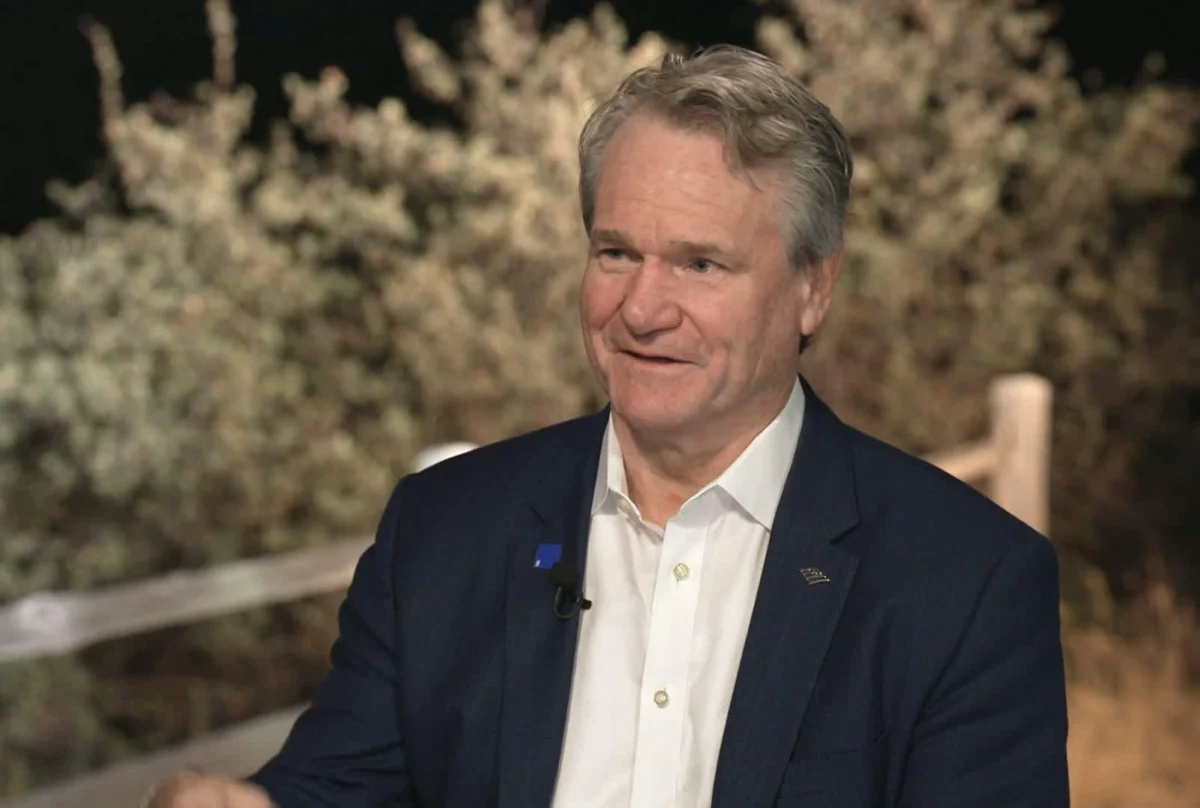
Speaking from Aspen, Colorado, on August 5, 2026, Bank of America CEO Brian Moynihan revealed that the financial giant is allocating more than $250 million annually to cover GLP-1 (glucagon-like peptide-1) weight loss medications for its extensive workforce. This substantial investment, which has surged from virtually nothing just four or five years prior, now accounts for approximately 13% of the bank’s total annual healthcare expenditure of over $2 billion for its roughly 211,000 employees. Moynihan defended the rapidly rising cost as a "worthwhile investment" that yields a "great impact on the employees," signaling a profound shift in how major corporations are approaching employee health benefits.
The Rise of GLP-1 Medications: A New Frontier in Health Management
GLP-1 receptor agonists, initially developed for the management of Type 2 Diabetes, have rapidly emerged as transformative treatments for chronic weight management. Medications like semaglutide (marketed as Ozempic for diabetes and Wegovy for weight loss) and tirzepatide (Mounjaro for diabetes and Zepbound for weight loss) work by mimicking a natural hormone that regulates blood sugar, slows gastric emptying, and reduces appetite, leading to significant weight loss and improved metabolic health outcomes.
The journey of GLP-1s from niche diabetes drugs to blockbuster weight loss therapies has been swift and impactful. Semaglutide, for instance, received its first FDA approval for Type 2 Diabetes in 2017. The pivotal moment for chronic weight management came in June 2021, when the FDA approved Wegovy for this indication, followed by Zepbound’s approval in late 2023. These approvals unleashed a torrent of demand, driven by compelling clinical trial data demonstrating average weight loss of 15-20% of body weight, coupled with emerging evidence of cardiovascular benefits. This rapid ascent in efficacy and public awareness has placed GLP-1s at the forefront of medical innovation, but also at the center of a complex debate regarding access, cost, and healthcare policy.
The Employer Dilemma: Balancing Benefits and Bottom Line
The surge in demand for GLP-1 drugs has presented a significant challenge for employers across the United States, particularly for self-insured companies that bear the direct financial risk of their employees’ healthcare claims. With annual costs for these medications often reaching thousands of dollars per patient, companies are grappling with the immense financial implications of comprehensive coverage. Many employers have responded by restricting or even dropping coverage for weight loss indications, while others engage in intense internal debates over the affordability and long-term value of these treatments.
According to a July 2026 survey by the International Foundation of Employee Benefit Plans (IFEBP), which represents over 30,000 member companies and public institutions, approximately 36% of employers provide coverage for GLP-1s for both diabetes and weight loss. While this marks a slight increase from 34% in 2024, it remained flat from 2025, indicating a plateau in the expansion of coverage as costs continue to escalate. The survey further highlighted the financial strain, noting that in 2026, GLP-1 drugs accounted for an alarming 11.4% of annual claims, a significant jump from 6.9% in 2023. This data underscores the core tension faced by employers: the desire to offer valuable benefits versus the imperative to manage soaring healthcare expenditures.
Bank of America’s Strategic Investment in Employee Wellness
Bank of America’s decision to embrace comprehensive GLP-1 coverage, despite the quarter-billion-dollar price tag, is rooted in a strategic vision that transcends immediate cost concerns. Moynihan emphasized that the bank views this as a long-term investment in the health and productivity of its workforce. He acknowledged the common corporate concern that employees might leave before the company fully realizes the long-term health savings, but asserted that the commitment reflects a broader push to provide truly valuable benefits that enhance employee well-being.
Crucially, Bank of America is not simply providing access to medication. Moynihan detailed an integrated approach that pairs drug access with robust health coaching programs. These programs are designed to monitor weight loss, facilitate sustainable lifestyle adjustments, and provide comprehensive support to employees utilizing GLP-1s. This holistic strategy aims to maximize the effectiveness of the medication and embed healthier habits, moving beyond mere pharmacological intervention to foster enduring wellness.
Beyond the well-documented long-term preventative health benefits associated with weight loss, Moynihan also pointed to emerging clinical data suggesting more immediate advantages, including a lower incidence of cardiovascular events among users. This nearer-term impact further strengthens the business case for investment, potentially reducing costly acute care interventions and improving employee presenteeism and productivity. "It’s been fascinating to watch our teammates’ behavior on these adjustments — the loss of weight," Moynihan observed, highlighting the tangible, positive changes seen within the workforce.
Navigating the Pharmaceutical Landscape: Negotiation and Price Pressure
As the nation’s second-largest lender by assets, Bank of America wields considerable market power, a leverage it is actively deploying to mitigate the high costs of GLP-1 drugs. Moynihan explicitly stated, "Believe me, we’re pounding everybody on price and trying to get as cheap [as possible]." This aggressive negotiation strategy targets both drugmakers and pharmacy benefit managers (PBMs), seeking to secure more favorable pricing for its extensive employee base. The discounted cash prices for GLP-1s, even after manufacturer coupons, often remain several hundred dollars per month, an unsustainable figure for many individual patients without robust insurance coverage. Large self-insured employers, therefore, play a critical role in shaping market access and pricing dynamics.
This proactive stance reflects a broader trend among major corporations: leveraging their purchasing power to influence healthcare costs. For Bank of America, the significant scale of its employee population makes it a powerful negotiator, allowing it to potentially achieve pricing tiers that smaller employers cannot. Moynihan reiterated the bank’s perspective that despite the intense price negotiations, the "long-term health benefits, plus there may be more short-term health benefits… it’s a good investment." This statement encapsulates the delicate balance between aggressive cost containment and strategic investment in employee health outcomes.
Pharmaceutical Industry’s Response: Expanding Access and Employer Programs
In parallel with employers grappling with costs, major obesity drugmakers, notably Eli Lilly and Novo Nordisk, are actively working to boost employer coverage. Recognizing that widespread employer-sponsored benefits are crucial for unlocking greater uptake of their treatments, these companies have developed programs designed to make their medications more accessible and affordable for corporate health plans.
In a significant development in March 2026, Eli Lilly launched a new program specifically aimed at giving employers greater flexibility in how they cover obesity treatments. Through this initiative, employers can secure a net discounted price of $449 per month for a new multi-dose form of Zepbound across all doses. This move by Lilly demonstrates an understanding of the financial pressures on employers and represents an attempt to create a more attractive offering that balances therapeutic efficacy with cost-effectiveness for corporate benefit plans. These types of programs are vital for expanding market reach beyond traditional diabetes coverage, as they address the primary barrier of cost for chronic weight management.
Broader Economic and Societal Implications
Bank of America’s substantial investment in GLP-1 coverage carries significant implications for the future of employer-sponsored healthcare and public health more broadly. This decision could serve as a bellwether, encouraging other large corporations to follow suit and integrate these medications into their benefit offerings, potentially shifting the paradigm of corporate wellness from reactive treatment to proactive, preventative care.
From an economic perspective, widespread adoption of GLP-1s could lead to a reduction in healthcare costs associated with obesity-related comorbidities such as Type 2 Diabetes, heart disease, stroke, certain cancers, and musculoskeletal conditions. While the upfront cost of the drugs is high, the long-term savings from preventing or mitigating these chronic conditions could be substantial, creating a net positive impact on both corporate balance sheets and national healthcare expenditures. The Centers for Disease Control and Prevention (CDC) estimates that obesity-related medical care costs in the United States were nearly $173 billion in 2019, highlighting the immense financial burden that effective weight management could alleviate.
However, the equity aspect remains a critical concern. While large corporations like Bank of America can absorb and negotiate these costs, smaller businesses and individuals without robust employer-sponsored plans may struggle to access these life-changing medications, exacerbating existing health disparities. This raises questions about the role of government policy and broader insurance mandates in ensuring equitable access to these powerful new therapies.
Expert Perspectives and Future Outlook
Healthcare economists and benefits consultants are closely observing trends like Bank of America’s, analyzing the delicate interplay between employee well-being, corporate financial health, and pharmaceutical innovation. Experts suggest that as more data emerges on the long-term health and economic benefits of GLP-1s, the initial hesitancy among some employers may diminish. The emphasis on pairing medication with health coaching, as Bank of America is doing, is seen as a best practice that maximizes clinical outcomes and reinforces the value proposition.
The ongoing debate about the "medical necessity" of weight loss treatments will continue to shape coverage decisions. However, the growing body of evidence linking obesity to a myriad of serious health conditions is increasingly solidifying its status as a chronic disease requiring medical intervention. This evolving understanding, coupled with pharmaceutical advancements and strategic employer initiatives, is likely to propel GLP-1s further into the mainstream of healthcare. The future may see increased pressure on drugmakers to offer more competitive pricing and develop even more effective, accessible therapies, while employers refine their benefit strategies to balance comprehensive coverage with financial sustainability.
A New Paradigm for Corporate Health Investment
Bank of America’s substantial investment in GLP-1 weight loss drugs marks a pivotal moment in corporate healthcare strategy. By committing over a quarter of a billion dollars annually to these medications, and integrating them with supportive health coaching, CEO Brian Moynihan has positioned the bank at the forefront of a new paradigm for employee wellness. This decision reflects a forward-thinking approach that acknowledges the profound impact of chronic diseases like obesity on workforce health and productivity, while simultaneously navigating the complex and rapidly evolving landscape of pharmaceutical costs. As other corporations observe and evaluate the outcomes of such significant investments, Bank of America’s strategy could set a powerful precedent for how major employers define and deliver healthcare benefits in the decades to come, ushering in an era where preventative and proactive health management takes center stage.
