

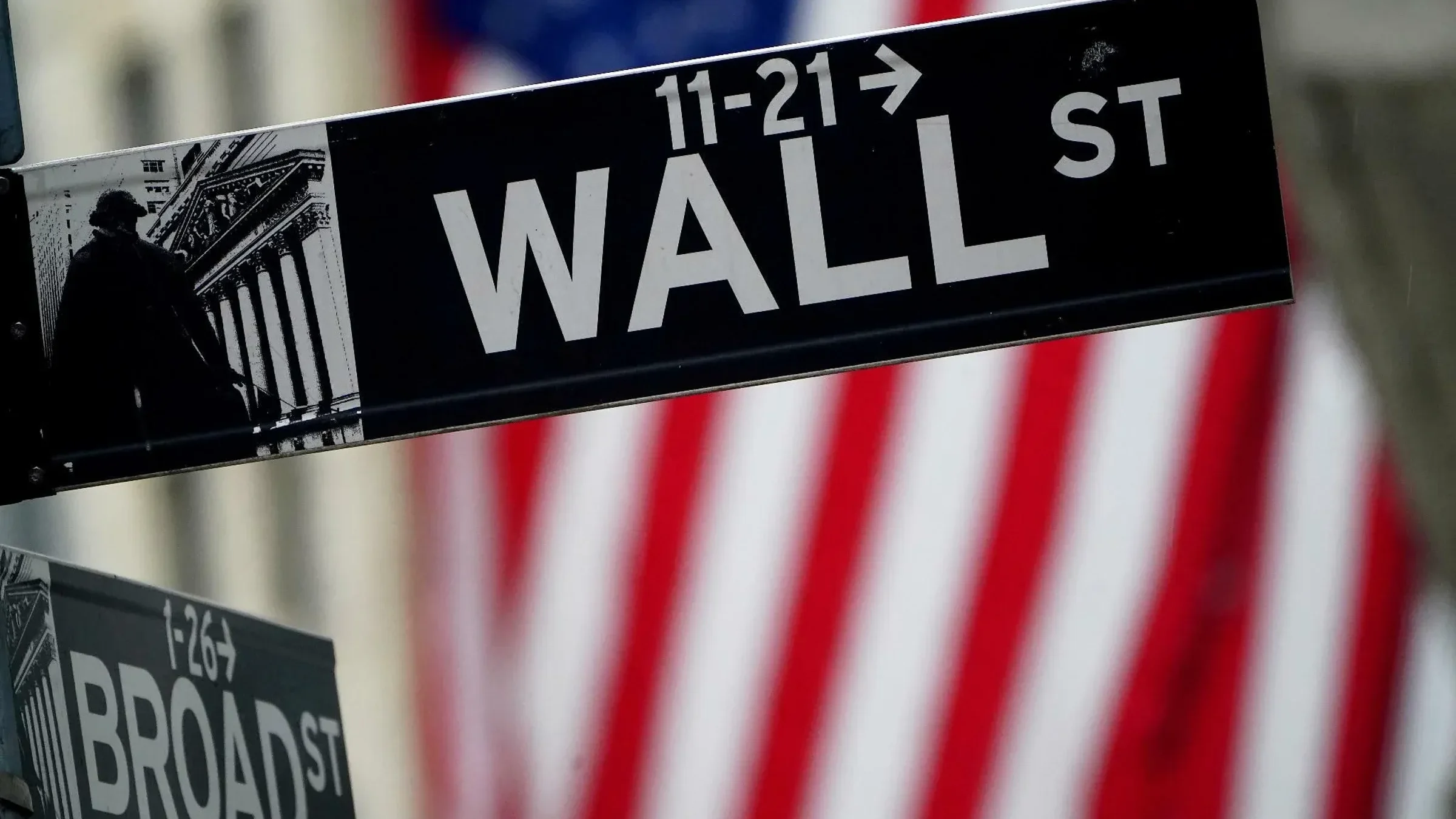
New York – The optimistic momentum on Wall Street continued unabated on Tuesday, with major indices building on the previous day’s gains. Following President Donald Trump’s announcement of renewed negotiations with Iran, which had previously propelled the Dow Jones Industrial Average to a record high, hopes for de-escalation in the Middle East once again fueled a broad market rally. U.S. Treasury Secretary Scott Bessent, in an interview with CNBC, indicated that a breakthrough agreement concerning the Strait of Hormuz could be imminent, potentially within Tuesday or Wednesday.
"We are in discussions with the Iranians, and I believe there is a chance we will reach an agreement today or tomorrow to open up the strait and move to a more normal situation in this conflict," Bessent stated. Investors appear to be heeding these words, translating optimism into active buying across the market.
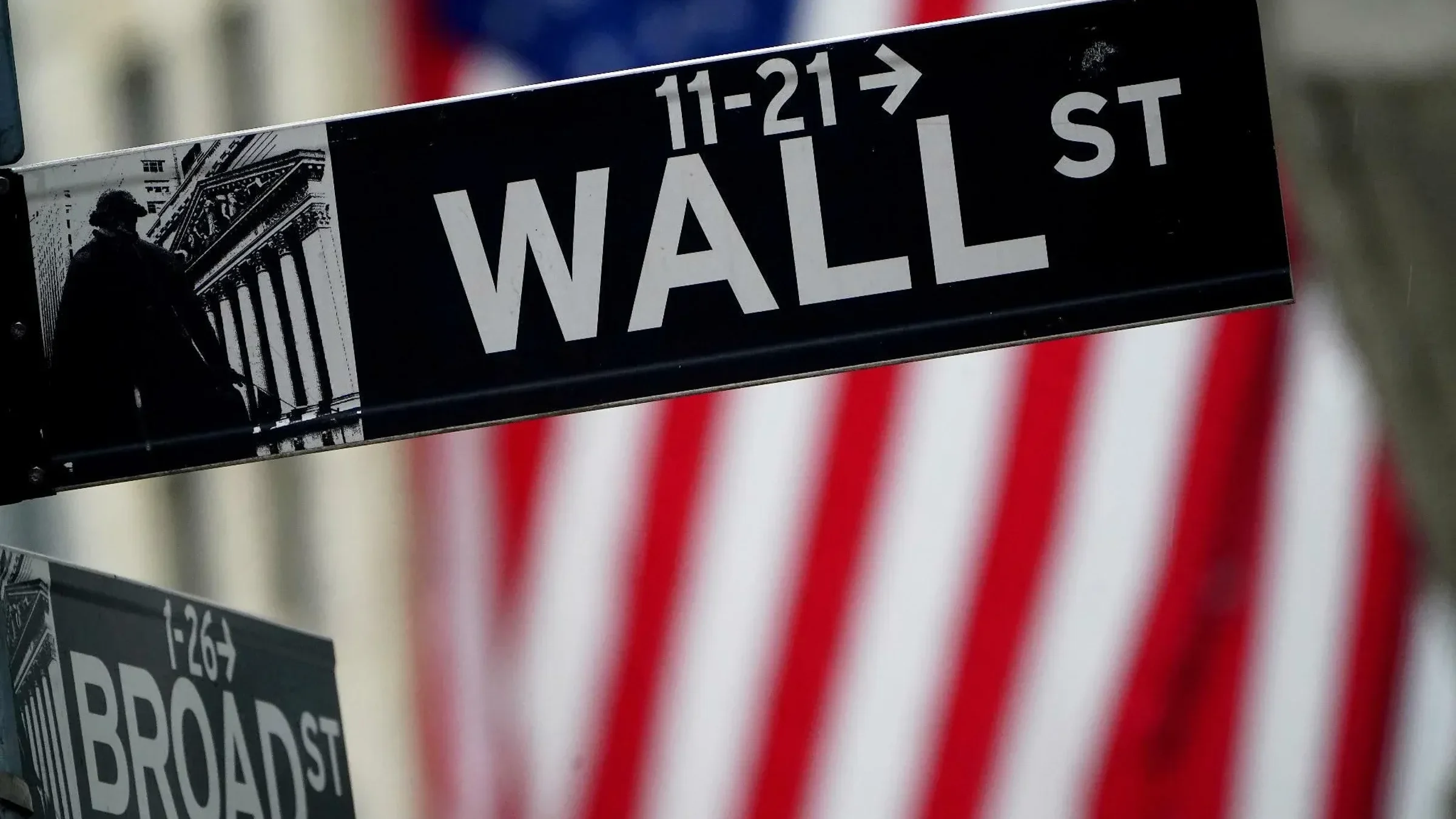
Geopolitical Easing Drives Oil Prices Lower, Bolstering Equities
The positive developments regarding Iran have had a significant impact on global energy markets. Bessent’s remarks contributed to a further decline in oil prices, a key factor often cited as a driver for stock market performance. The benchmark Brent crude for October delivery saw a notable drop, trading at $79.37 per barrel, a decrease of 5.2 percent. Similarly, the U.S. West Texas Intermediate (WTI) crude for September delivery experienced a decline of over five percent, settling at $75.78 per barrel. This downward trend marks the lowest level for oil prices in three weeks, a development that generally benefits the broader economy by reducing inflationary pressures and operational costs for businesses.
President Trump’s decision on Monday to halt further military action against Iran had already triggered a significant dip in crude oil prices, setting the stage for the positive sentiment observed this week. The inverse relationship between energy prices and inflation is a well-established economic principle. Higher energy costs directly translate to increased transportation and production expenses, which can then be passed on to consumers, contributing to a broader inflationary environment. Conversely, a decrease in oil and gas prices typically alleviates these pressures, reducing the likelihood of central banks resorting to interest rate hikes to combat inflation. This, in turn, tends to depress bond yields and make equities a more attractive investment alternative, thereby driving stock prices upward.

Corporate Earnings Offer Mixed but Largely Positive Signals
Beyond the geopolitical landscape, corporate earnings reports are also playing a crucial role in shaping market sentiment. A considerable number of U.S. companies released their quarterly financial results on Tuesday, providing investors with a snapshot of corporate health and future outlooks. While not universally positive, the overall assessment of these reports has been predominantly favorable, contributing to the market’s upward trajectory.
Fed’s Focus on Labor Market Data Amidst Economic Crosscurrents

As market participants digest corporate earnings and geopolitical developments, attention is increasingly turning towards key economic indicators. This week, the spotlight is firmly fixed on the U.S. labor market, with the release of the monthly employment statistics on Friday anticipated to be a pivotal moment. The Federal Reserve (Fed) maintains a dual mandate of ensuring price stability and promoting maximum employment. Consequently, any significant shifts in labor market data hold immediate relevance for shaping interest rate expectations.
The health of the labor market is widely considered a crucial barometer of overall economic vitality. A robust job market can sustain higher interest rates, indicating a resilient economy capable of absorbing such measures. Conversely, signs of weakening employment could signal a need for monetary policy adjustments to stimulate growth. The upcoming jobs report is therefore closely scrutinized for its potential to influence the Fed’s future monetary policy decisions.
June Job Openings Show Unexpected Decline

In a development that may offer some insight into labor market dynamics, the number of job openings in the United States decreased in June. According to data released by the U.S. Department of Labor on Tuesday, job openings fell by 178,000 to 7.359 million. This figure was slightly below the expectations of economists surveyed by Reuters, who had projected a decline to 7.40 million for the report, known by the acronym "Jolts" (Job Openings and Labor Turnover Survey). While a decrease in job openings might suggest a cooling labor market, the overall context of the report and other employment indicators will be crucial for a comprehensive interpretation.
Anticipation Builds for July Employment Figures
Looking ahead, economists are forecasting that the U.S. economy added 57,000 new jobs outside of the agricultural sector in July. Additionally, the unemployment rate is expected to show a slight increase to 4.3 percent. These figures, when released on Friday, will provide a more immediate picture of the labor market’s current momentum and will be closely watched for their potential impact on inflation expectations and Fed policy. A stronger-than-expected jobs report could reinforce the argument for continued interest rate stability or even a future hike, while weaker numbers might prompt discussions about potential rate cuts or economic stimulus.

Fed Maintains Current Interest Rate Policy
In its most recent policy meeting, the Federal Reserve opted to keep its benchmark interest rate unchanged. The federal funds rate currently remains within the target range of 3.50% to 3.75%. This decision reflects the Fed’s ongoing assessment of economic conditions and its balancing act between controlling inflation and supporting economic growth. The strength of the labor market is a critical factor in this assessment, as a healthy job market can often withstand higher interest rates without significantly hindering economic expansion.
In-Depth Analysis: The Fed’s Inflation Measurement Challenge

The complexity of accurately measuring inflation remains a significant challenge for central banks, including the Federal Reserve. As highlighted in related analyses, the Fed is continuously refining its methodologies to ensure it has the most accurate picture of price pressures. This meticulous approach is essential for making informed monetary policy decisions that effectively balance the goals of price stability and economic growth. The interplay between labor market data, inflation metrics, and the Fed’s policy responses forms a critical narrative in the current economic environment.
Broader Market Movements and Individual Stock Performance
The positive sentiment in the broader market has been accompanied by notable movements in individual stocks and sectors. The Nasdaq index, which had experienced losses in the preceding week, has recovered lost ground. Both the Dow Jones and the S&P 500 have achieved new record highs, underscoring the prevailing optimism. Analysts suggest that declining yields on long-term U.S. Treasury bonds are acting as a significant catalyst for this ongoing rally, indicating a potentially sustained period of upward market movement.

Sector-Specific Trends and Key Corporate Developments
Semiconductor Stocks Rally on Palantir’s Success
In a ripple effect from the positive performance of Palantir Technologies, shares of other semiconductor manufacturers have also experienced significant gains. Companies such as AMD, Micron Technology, and Intel have each seen their stock prices rise by approximately eight to ten percent, reflecting a broader bullish sentiment within the technology sector. This surge suggests that positive corporate news in one area of technology can often lift related industries, indicating interconnectedness in market performance.
Nike Faces Headwinds After Downgrade
In contrast to the broader market trend, shares of sportswear giant Nike have encountered downward pressure following a downgrade by JP Morgan. The investment bank has revised its rating for Nike from "neutral" to "underweight" and lowered its price target from $47 to $40 per share. Analyst Matthew R. Boss, in a study released on Tuesday, indicated that financial burdens stemming from Nike’s "Win Now" strategy, initiated in late 2024, could persist until 2028. This strategic assessment has led to a 2.5 percent decline in Nike’s stock price, illustrating how forward-looking analyst reports can significantly influence investor sentiment and stock performance.

The sustained rally on Wall Street, driven by a combination of easing geopolitical tensions and positive economic signals, reflects a market actively seeking opportunities. While corporate earnings present a mixed picture, the overall sentiment remains optimistic. Investors will be keenly observing upcoming labor market data and any further developments in the Middle East to gauge the sustainability of this upward trend. The intricate relationship between global events, economic indicators, and corporate performance continues to shape the narrative of the financial markets.
