

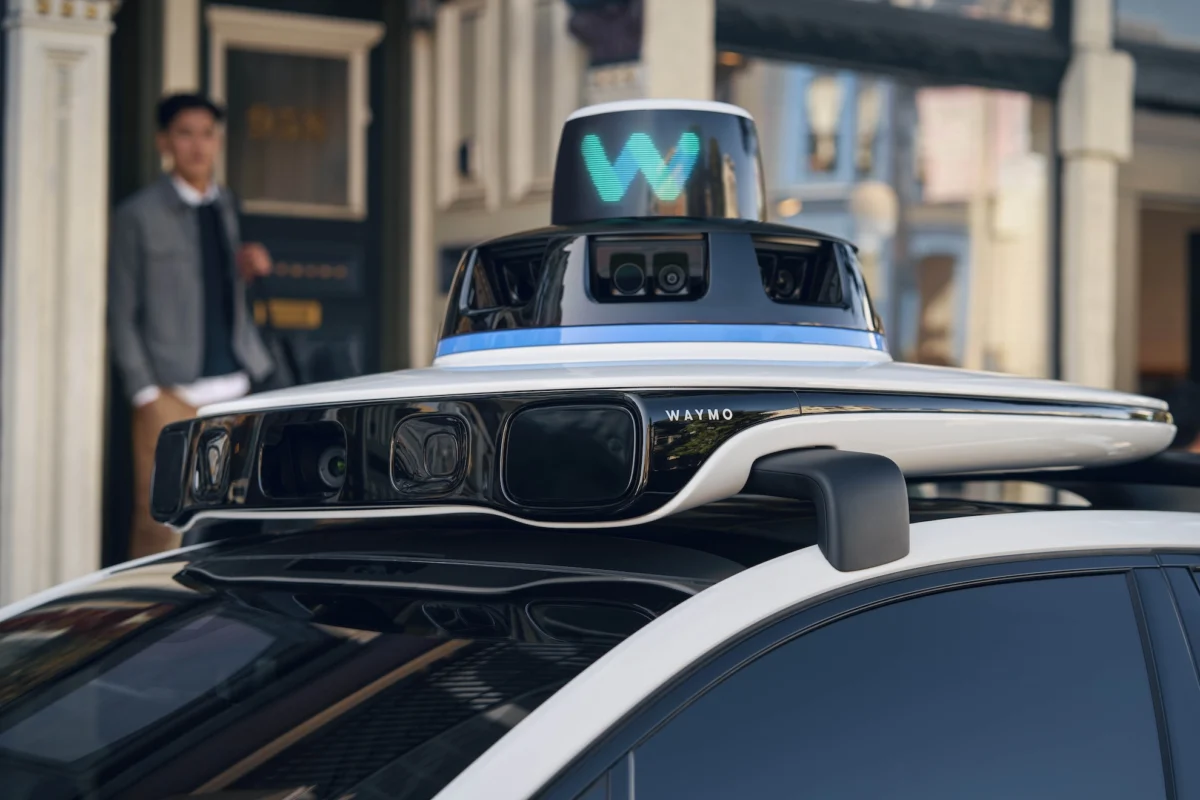
Waymo, the autonomous driving technology company under Alphabet, has officially removed the waitlist for its robotaxi service in Dallas, making its self-driving vehicles immediately accessible to all residents and visitors in the sprawling North Texas city. This significant step represents the latest progression in the company’s ambitious strategy to scale its advanced self-driving technology across key markets in the United States, with an eye on future international expansion into Europe and the United Kingdom. The move positions Dallas as a crucial battleground in the race for widespread autonomous vehicle adoption, transforming the city’s transportation landscape.
Waymo’s Dallas Journey: A Phased Chronology
Waymo’s presence in Dallas has been a carefully orchestrated, multi-stage deployment, reflecting its established "robotaxi playbook" for market entry. The company first established a foothold in Dallas in 2023, initiating comprehensive testing of its Waymo Driver technology on public streets. This initial phase involved mapping the intricate urban environment, understanding local traffic patterns, and validating the system’s performance in real-world conditions, all without carrying public passengers.
Following this extensive testing period, Waymo announced its intention to launch commercial service in Dallas, initially projecting a 2026 timeline. A key strategic partnership was forged with Avis Budget Group, a move designed to leverage Avis’s extensive fleet management expertise. Under this collaboration, Avis is responsible for crucial general depot operations for Waymo’s all-electric fleet of Jaguar I-Pace vehicles, including charging, routine maintenance, and other logistical support, allowing Waymo to focus its resources on autonomous driving technology development and deployment.
The first public iteration of the service commenced in February 2024, albeit with restricted access via a waitlist. This common industry practice allows companies to manage initial demand, gather user feedback in a controlled environment, and gradually scale operations while refining the service. During this waitlist period, Waymo reported that approximately 150,000 riders utilized its app, signaling robust public interest and validating the demand for autonomous mobility solutions in Dallas. The decision to remove the waitlist on Tuesday, June 25, 2024, now opens the service to an even broader audience, marking a critical transition from pilot to full-scale commercial operation.
While the service is now widely available, certain operational limitations remain. Notably, riders are currently unable to hail a Waymo robotaxi to or from Dallas Love Field Airport. The company stated that it continues to conduct rigorous testing of its self-driving vehicles within the complex environment of the airport and anticipates serving riders there "soon." This phased approach underscores the significant challenges and safety considerations involved in integrating autonomous vehicles into high-traffic, dynamic locations like airports, which often feature unique signage, diverse vehicle types, and unpredictable pedestrian movements.
The Robotaxi Playbook: Scaling Across Markets
Waymo’s strategy in Dallas mirrors its successful deployment model in other major U.S. cities, including Phoenix, Los Angeles, and San Francisco. Phoenix, Arizona, served as the company’s foundational market, where it launched its first fully public, commercial autonomous ride-hailing service in 2017. The lessons learned from years of operation in Phoenix – encompassing technological refinement, operational logistics, customer service, and public acceptance – have been instrumental in shaping its expansion playbook.
In San Francisco, Waymo introduced its service incrementally, initially offering rides to employees, then expanding to a trusted tester program, and finally opening to a waitlist before full public access in June 2024. Los Angeles followed a similar trajectory. This methodical, phased rollout strategy allows Waymo to:
- Validate Technology: Continuously test and refine the Waymo Driver in diverse urban environments, weather conditions, and traffic scenarios.
- Build Trust: Gradually introduce the public to autonomous technology, allowing users to experience its safety and convenience firsthand.
- Optimize Operations: Fine-tune fleet management, charging infrastructure, and customer support systems for efficiency and scalability.
- Engage Regulators: Work closely with local and state authorities, demonstrating safe operation and addressing concerns as they arise.
This measured approach contrasts with some competitors who have faced significant regulatory and public backlash due to perceived over-aggressive expansion or safety incidents. Waymo’s methodical strategy aims to foster public confidence and ensure sustainable growth.
Technological Underpinnings and Fleet Operations
At the core of Waymo’s robotaxi service is the "Waymo Driver," a sophisticated suite of hardware and software that enables the vehicles to perceive their surroundings, predict the behavior of other road users, and navigate autonomously. This system relies on a combination of advanced sensors, including LiDAR, radar, and high-resolution cameras, which provide a 360-degree view around the vehicle, even in challenging conditions. The data collected from these sensors is processed by powerful on-board computers using artificial intelligence and machine learning algorithms, allowing the vehicle to make real-time driving decisions.
The current Dallas fleet consists of all-electric Jaguar I-Pace SUVs, specially modified with Waymo’s autonomous driving hardware. The choice of an electric vehicle platform aligns with Waymo’s commitment to sustainability and contributes to reduced emissions in urban environments. The partnership with Avis Budget Group is crucial for the efficient management of this advanced fleet. Avis handles the vital logistical aspects that underpin any large-scale transportation service, including:
- Charging: Ensuring the electric vehicles are adequately charged and ready for service.
- Maintenance: Performing routine inspections and repairs to keep the fleet in optimal condition.
- Cleaning: Maintaining vehicle cleanliness for a premium rider experience.
- Repositioning: Strategically moving vehicles to areas of high demand or for maintenance, optimizing fleet utilization.
This division of labor allows Waymo to concentrate its expertise on the autonomous technology itself, while leveraging Avis’s established infrastructure and operational prowess in vehicle management. The continuous collection of data from every mile driven by the Waymo Driver feeds back into the system, leading to ongoing software updates and improvements, making the system safer and more capable over time.
Navigating Challenges: Weather and Infrastructure
Waymo’s journey in Dallas has not been entirely without hurdles. In May 2024, the company temporarily paused its service in Dallas, along with Houston, San Antonio, and Atlanta, due to issues related to how its robotaxis handled severe weather, specifically heavy rain and flooded roads. This incident highlighted one of the most significant challenges for autonomous vehicles: operating reliably and safely in adverse weather conditions that can obscure sensors, alter road surfaces, and create unpredictable driving scenarios.
Waymo acknowledged the issue and stated that its systems needed further refinement for such extreme conditions. While services have since resumed in these cities, Waymo has adopted a proactive stance, indicating that it may adjust or temporarily pause operations in the future based on severe weather forecasts, flood warnings, and real-time road conditions. Riders are advised to check the Waymo app for the most current service status, demonstrating a commitment to safety and transparency.
The complexity of operating in varied weather underscores the continuous development required for Level 4 autonomous systems, which are designed to handle most driving situations independently but may still require human intervention or service suspension in "edge cases" like extreme weather. Waymo’s approach to airport service also illustrates another layer of operational complexity. Airports are micro-ecosystems with unique traffic flows, security protocols, dynamic construction zones, and a mix of human-driven vehicles and specialized ground support equipment. Integrating autonomous vehicles into such an environment requires meticulous testing, collaboration with airport authorities, and often, specific geofencing and operational parameters to ensure safety and efficiency.
Dallas as a Strategic Hub
The choice of Dallas as a key expansion market is highly strategic for Waymo and the broader autonomous vehicle industry. The Dallas-Fort Worth (DFW) metroplex is one of the fastest-growing major metropolitan areas in the United States, boasting a diverse economy, a large population base exceeding 7.5 million, and a sprawling urban footprint that presents both opportunities and challenges for autonomous mobility.
Several factors make Dallas an attractive location:
- Market Size: The sheer scale of the DFW metroplex offers a vast potential customer base for ride-hailing services.
- Infrastructure: Dallas features extensive highway networks, but also complex urban and suburban street layouts, providing diverse testing and operational environments.
- Demographics: A young, tech-savvy population is generally more receptive to adopting new technologies like robotaxis.
- Regulatory Environment: Texas has generally been supportive of autonomous vehicle testing and deployment, offering a favorable regulatory climate compared to some other states.
- Economic Impact: The presence of a major tech player like Waymo can stimulate local innovation, create jobs (e.g., in fleet operations, maintenance, customer support), and attract further investment in advanced mobility solutions.
For Dallas residents, Waymo’s open service offers a new, potentially more convenient, and consistent transportation option, particularly for those who may not own a car or prefer not to drive. It also adds a layer of redundancy to existing ride-hailing services and public transportation, enhancing urban mobility.
The Broader Autonomous Vehicle Landscape
Waymo’s expansion in Dallas occurs within a dynamic and often turbulent autonomous vehicle industry landscape. While Waymo is widely considered a leader in Level 4 autonomous technology, it faces competition from other well-funded players such as Zoox (owned by Amazon), Cruise (a subsidiary of General Motors), and companies like Tesla, which is developing a different approach with its Full Self-Driving (FSD) beta, though it operates at a different level of autonomy (Level 2/2+ driver assistance).
The industry has seen significant shifts and challenges recently. Cruise, once a close competitor to Waymo, faced a major setback in late 2023 when a serious incident in San Francisco led to the suspension of its driverless operations across the U.S. and a leadership overhaul. This event underscored the critical importance of public trust, rigorous safety protocols, and transparent communication for the continued advancement of the AV industry. Waymo’s cautious, data-driven approach, and its emphasis on safety, are undoubtedly informed by these industry-wide lessons.
The regulatory environment remains a complex patchwork, with states and municipalities developing their own rules for autonomous vehicle operation. Federal oversight is also evolving, with agencies like the National Highway Traffic Safety Administration (NHTSA) playing a role in establishing safety standards. Waymo’s successful deployment in multiple states demonstrates its ability to navigate these varied regulatory landscapes, often by working closely with local authorities to build consensus and address specific community needs.
Public perception and acceptance are perhaps the most crucial factors for widespread adoption. While early adopters are eager to embrace the technology, a significant portion of the general public remains cautious, often influenced by media reports of incidents or a general distrust of AI in critical safety applications. Waymo’s strategy of gradual expansion, clear communication, and demonstrated safety performance is aimed squarely at building this essential public trust.
Implications for Urban Mobility and the Future
The elimination of the waitlist for Waymo’s robotaxi service in Dallas is more than just a company milestone; it represents a tangible step towards a future of transformed urban mobility. The implications are far-reaching:
- Enhanced Accessibility: Robotaxis offer a new level of mobility for individuals who cannot drive due to age, disability, or lack of access to a personal vehicle, potentially improving quality of life and economic opportunities.
- Reduced Congestion and Parking Needs: If autonomous ride-hailing services gain significant traction, they could potentially reduce the number of privately owned vehicles on the road, leading to less traffic congestion and a decreased demand for urban parking spaces, freeing up valuable land for other uses.
- Economic Impact: Beyond direct job creation, a thriving autonomous mobility sector could foster new business models, delivery services, and logistical efficiencies across various industries.
- Environmental Benefits: The exclusive use of electric vehicles in Waymo’s fleet contributes to cleaner air and reduced carbon emissions in urban areas, aligning with broader sustainability goals.
- Data-Driven Urban Planning: The vast amounts of data collected by autonomous fleets can provide unprecedented insights into traffic patterns, road conditions, and mobility needs, informing more effective urban planning and infrastructure development.
Waymo’s long-term vision extends beyond the U.S., with stated ambitions to expand into Europe and the United Kingdom. Each new market presents unique challenges, from different regulatory frameworks and driving cultures to diverse infrastructure and weather patterns. However, the experience gained in U.S. cities like Dallas will provide invaluable insights and a robust operational model for these future expansions.
In conclusion, Waymo’s decision to open its Dallas robotaxi service to all marks a pivotal moment in the evolution of autonomous transportation. It underscores the company’s confidence in its technology and its methodical approach to scaling. As Dallas embraces this new era of mobility, the city will serve as a critical case study, demonstrating the potential and challenges of integrating self-driving vehicles into the fabric of daily life, and paving the way for a more autonomous future across the globe.
