

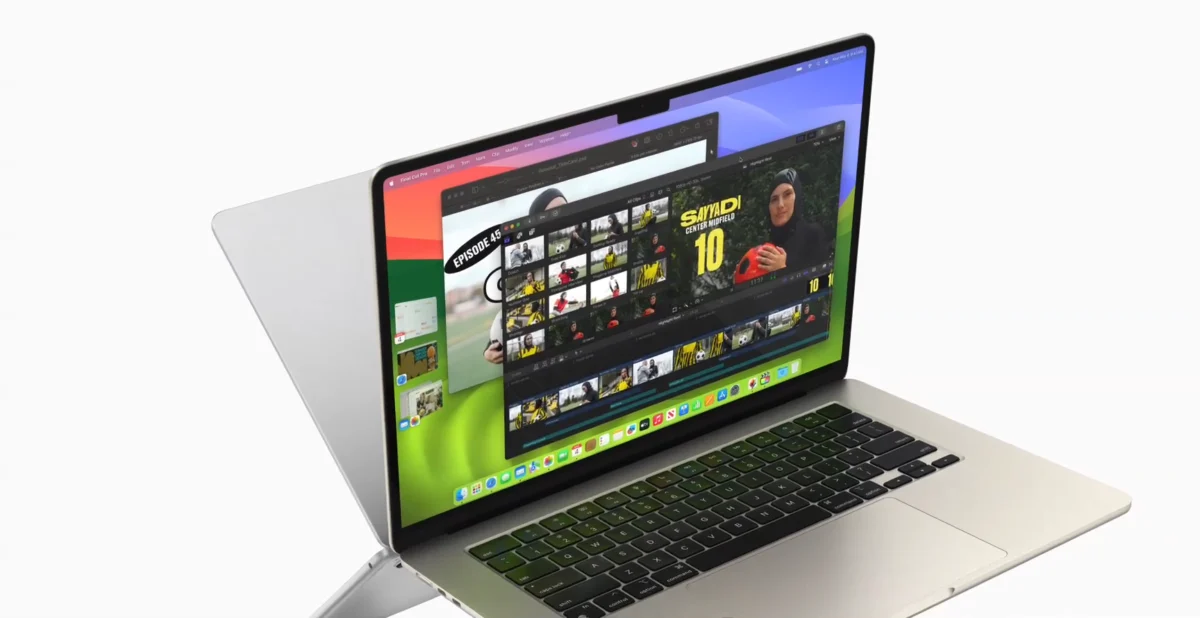
The escalating global memory chip shortage, primarily driven by unprecedented demand from the artificial intelligence (AI) sector, has broadened its impact from niche computing segments to Apple’s most popular Mac offering, the MacBook Air. According to a recent report by Bloomberg’s authoritative Apple correspondent, Mark Gurman, the Cupertino tech giant is now facing severe constraints in stocking its widely acclaimed lightweight laptop, a development that signals a significant escalation in supply chain challenges. This shortage, initially observed affecting less mainstream products like the Mac mini and Mac Studio, underscores a systemic issue reverberating across the technology industry, forcing manufacturers like Apple to implement adaptive strategies ranging from price adjustments to supply diversification and recalibrated marketing efforts.
The Unfolding Supply Crisis at Apple
For several months, industry watchers have noted increasing difficulties in securing various Apple products, with Gurman’s reports consistently highlighting the vulnerability of specific hardware lines to global component shortfalls. While the Mac mini and Mac Studio – machines catering to professional users and specific computing needs – were early indicators of memory chip scarcity, the extension of these constraints to the MacBook Air marks a critical juncture. The MacBook Air, renowned for its balance of performance, portability, and value, holds a significant share of the laptop market and is often the gateway device for many users into the Apple ecosystem. Its unavailability directly impacts a much larger consumer base and Apple’s overall sales figures.
Retailers globally are reporting an unprecedented tightening of MacBook Air supply, indicating that current stock levels are more constrained than at any previous point. A visit to Apple’s official website corroborates these observations, with delivery windows for new MacBook Air purchases now extending deep into the back half of August, and for certain specific configurations, even pushing into September. These extended lead times are a stark contrast to Apple’s typical supply chain efficiency, which usually ensures prompt delivery for its high-demand products.
The Global Memory Chip Bottleneck: A Deeper Dive
The root cause of Apple’s current predicament lies in a confluence of factors contributing to a severe global shortage of memory chips, specifically DRAM (Dynamic Random-Access Memory) and NAND flash memory. These components are fundamental to the operation of virtually all modern electronic devices, from smartphones and laptops to servers and AI accelerators.
The Rise of AI Demand: A primary driver of the current crunch is the explosive growth of artificial intelligence and machine learning applications. AI workloads, particularly in training large language models (LLMs) and complex neural networks, require immense amounts of high-bandwidth memory. Data centers, cloud providers, and specialized AI companies are aggressively acquiring vast quantities of advanced memory chips, creating unprecedented demand that outstrips existing manufacturing capacity. This surge in AI-driven demand has prioritized certain types of high-performance memory, consequently diverting supply and driving up prices for more conventional memory chips used in consumer electronics.
Broader Industry Trends: Beyond AI, several other factors have exacerbated the chip shortage. The sustained demand for consumer electronics following the work-from-home revolution, the rollout of 5G technology requiring new chipsets, and the proliferation of IoT (Internet of Things) devices have all contributed to a sustained high demand across the semiconductor industry. Additionally, geopolitical tensions, trade disputes, and isolated incidents like natural disasters or power outages affecting key fabrication plants (fabs) have sporadically disrupted the delicate balance of global chip production and distribution. The capital-intensive nature and long lead times for building new fabs mean that increasing supply to meet surging demand is a multi-year endeavor, not an immediate fix.
A Chronology of Constraints and Apple’s Response
The global semiconductor shortage began to make headlines in late 2020 and early 2021, initially impacting industries like automotive before spreading to consumer electronics. For Apple, the signs of strain began to emerge more visibly in early to mid-2023, as reports of extended delivery times for specific products, particularly the Mac mini and Mac Studio, became more frequent. These machines, often favored by developers and creative professionals for their robust performance, rely heavily on high-density memory configurations.
As the situation deteriorated and the impact began to threaten Apple’s flagship consumer lines, the company initiated a series of strategic adjustments:
- Price Adjustments: To mitigate the increased cost of sourcing scarce components and manage demand, Apple has reportedly raised prices for certain Mac and iPad models. While the iPhone has, for now, been spared from these price hikes, the strategy reflects the company’s efforts to absorb higher input costs while maintaining profitability in a challenging supply environment. These adjustments are a direct response to the fundamental economic principle of supply and demand, where reduced supply and heightened demand inevitably lead to price increases.
- Supplier Diversification: Gurman’s report indicates that Apple is actively working to address the issue by sourcing memory from a wider array of suppliers, including Chinese manufacturers. This move represents a strategic pivot towards diversifying its supply chain, potentially reducing reliance on traditional providers and mitigating risks associated with geographical concentration. While Apple has always maintained a diverse supplier network, the urgency of the current situation may be accelerating efforts to onboard new partners or increase orders from existing, non-primary ones. This also highlights the growing importance of China in the global technology supply chain, not just as a manufacturing hub but also as a source of critical components.
- Marketing Pivots and Promotional Delays: The severity of the MacBook Air shortage is further evidenced by Apple’s adjustments to its marketing calendar and messaging. The company reportedly delayed its highly anticipated back-to-school promotion, which typically launches in June to capitalize on summer purchasing trends for students. When the promotion finally launched, its marketing material notably shifted focus towards the base model of the MacBook Pro, a more premium and generally more available product at the time. Perhaps most telling is the inclusion of a specific disclaimer within the marketing collateral, stating, "MacBook Air subject to availability." This unusual warning underscores the precariousness of the MacBook Air’s stock levels and serves as an official acknowledgment of the supply challenge to potential customers.
Market Dynamics and Supporting Data
Industry analysts have been closely tracking the memory chip market, with most projections indicating that the demand-supply imbalance, particularly for advanced memory, will persist well into the foreseeable future. Reports from semiconductor market research firms, such as Gartner and IDC, have consistently highlighted the robust growth in AI chip demand, forecasting double-digit percentage increases year-over-year for the next several years. This growth is driven not just by new AI models but also by the increasing deployment of AI at the edge and in enterprise solutions.
For instance, projections often indicate that the market for AI chips, which heavily relies on specialized memory, could reach hundreds of billions of dollars by the end of the decade. This aggressive expansion in AI hardware directly competes with conventional computing for memory resources. While memory manufacturers like Samsung, SK Hynix, and Micron are investing heavily in expanding production capacity for both DRAM and NAND, these investments take time – often 2-3 years – to translate into significant increases in output.
The impact on delivery timelines is substantial. Prior to the current crunch, consumers could typically expect MacBook Air delivery within days of an order. The current wait times of "until the back half of August" or "until September" represent an extension of several weeks, a significant inconvenience for consumers, especially those with urgent computing needs or students preparing for the academic year. These delays translate into lost sales opportunities for Apple and potentially push frustrated customers towards alternative brands or older models.
Broader Implications for Apple and the Tech Ecosystem
The memory chip shortage and its impact on the MacBook Air carry significant implications across several dimensions for Apple and the broader technology landscape.
Financial and Market Position
The unavailability of a high-volume product like the MacBook Air can directly impact Apple’s quarterly revenue and profitability. While Apple’s vast product portfolio offers some insulation, the MacBook Air’s accessible price point and widespread appeal make it a crucial sales driver. Persistent supply issues could lead to market share erosion as frustrated consumers turn to competitors like Dell, HP, or Microsoft, who may have better stock availability for their lightweight laptops. Investors will be closely watching Apple’s ability to navigate these challenges, with any significant dip in Mac sales potentially affecting stock performance.
Supply Chain Resilience
This crisis serves as a critical stress test for Apple’s renowned supply chain. While historically lauded for its efficiency and global reach, the current situation highlights vulnerabilities. In response, Apple is likely to accelerate efforts towards deeper supply chain diversification, potentially investing more heavily in multiple regional suppliers for critical components, or even exploring longer-term strategic partnerships to secure future component access. The push towards sourcing from Chinese suppliers, as reported, could be part of a broader strategy to de-risk its supply chain from over-reliance on any single region or set of manufacturers, especially amidst ongoing geopolitical uncertainties. This could also spur further investment in automation and localized manufacturing where feasible, though for complex components like memory chips, global interdependence remains high.
Consumer Experience and Brand Perception
For consumers, extended wait times and higher prices can lead to frustration and a diminished brand experience. While Apple loyalists often demonstrate patience, a prolonged shortage could test that loyalty, especially for first-time buyers or those on tighter budgets. The brand’s reputation for premium quality and seamless availability could be subtly undermined if consumers consistently face difficulties in purchasing popular products. The explicit "subject to availability" warning in marketing material, while transparent, is also a tacit admission of a supply problem that Apple usually manages behind the scenes.
Industry-Wide Repercussions
The ripple effect of AI demand on traditional computing is a significant trend. As AI consumes an ever-larger share of advanced memory and processing power, it creates a scarcity for conventional applications. This could lead to a two-tiered market for components, with AI-grade parts commanding a premium and impacting the availability and cost of components for consumer devices. Furthermore, the situation underscores the critical need for increased investment in semiconductor manufacturing capacity globally. Governments and corporations worldwide are recognizing the strategic importance of chip independence and are pouring billions into building new fabs, though the impact of these investments will not be felt for several years. Geopolitical considerations, particularly concerning Taiwan’s dominant role in advanced chip manufacturing, will continue to shape supply chain strategies for years to come.
Looking Ahead: The Path to Recovery
The consensus among semiconductor industry experts is that the memory chip shortage, particularly for high-bandwidth and advanced DRAM required by AI, will not ease significantly in the immediate future. While some analysts predict a potential stabilization in the broader memory market by late 2025 or early 2026 as new fab capacities come online, the specific demands of AI may keep certain segments constrained for even longer.
For Apple, the path to recovery will involve a multi-pronged approach:
- Continued Supplier Engagement: Intensifying relationships with existing suppliers and aggressively onboarding new ones to secure component allocations.
- Design Optimizations: Potentially redesigning products to be more flexible with alternative memory configurations or types, although this is a complex and lengthy process.
- Inventory Management: Strategically managing existing inventory and production schedules to prioritize key products and regions.
- Strategic Pricing: Using pricing as a lever to manage demand and cover increased component costs.
The current challenge with the MacBook Air is more than just a temporary hiccup; it is a clear indicator of a profound shift in the technology landscape, where the insatiable appetite of artificial intelligence is fundamentally reshaping global supply chains and impacting the availability and cost of foundational computing components for everyone else. Apple, like many other tech giants, is navigating an increasingly complex environment that demands agility, strategic foresight, and robust diversification to maintain its market leadership and meet consumer expectations.
