

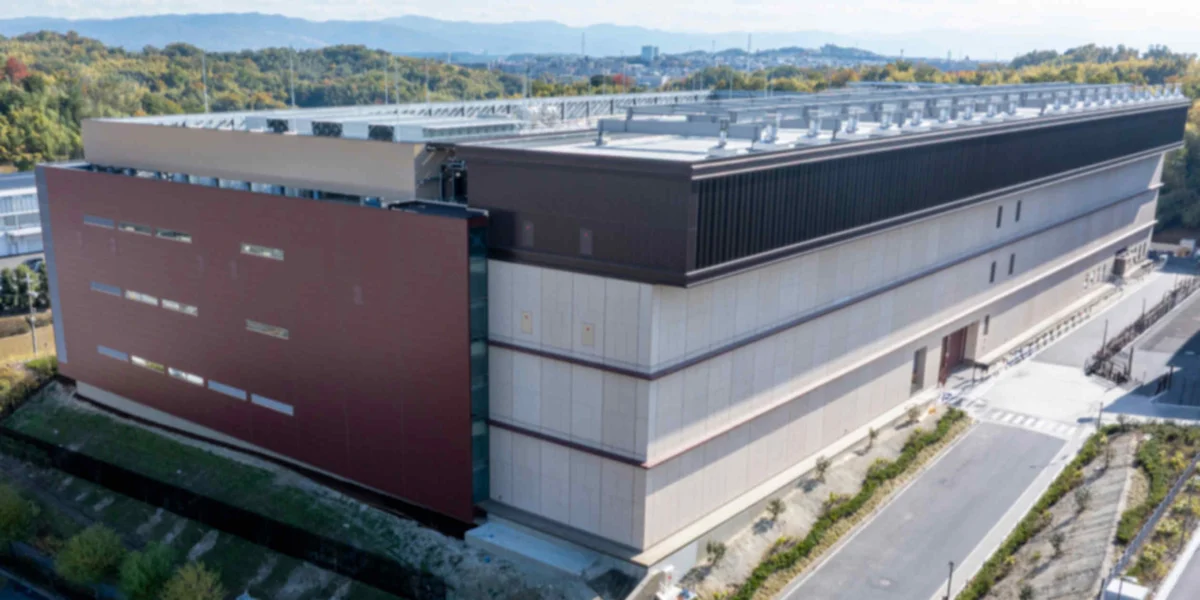
Capital spending by major Japanese companies is projected to reach an unprecedented all-time high during the current fiscal year, driven by a surge in investments across critical sectors such as data centers, semiconductor manufacturing, power grids, and other infrastructure vital to the advancement and deployment of artificial intelligence (AI). This robust expansion signals a significant shift in corporate strategy, reflecting a nationwide push to capitalize on the transformative potential of AI and secure a competitive edge in the global digital economy.
The prevailing optimism regarding capital expenditure is underpinned by a confluence of factors, chief among them the accelerating global demand for AI-powered solutions. As businesses worldwide increasingly integrate AI into their operations, the foundational requirements – processing power, data storage, and reliable energy – have become paramount. Japanese corporations, recognizing this paradigm shift, are strategically channeling substantial resources into building and upgrading the infrastructure necessary to support this AI revolution.
The AI Imperative: Driving Investment Across Key Sectors
The current fiscal year’s capital expenditure surge is not a monolithic phenomenon but rather a multifaceted investment wave across several interconnected sectors.
Data Centers: The New Frontier of Digital Infrastructure
A primary driver of this record spending is the exponential growth in demand for data center capacity. The insatiable appetite for data generated by AI applications, cloud computing, and the Internet of Things (IoT) necessitates a vast and sophisticated network of data storage and processing facilities. Japanese companies are responding by not only expanding existing data center footprints but also by investing in the construction of new, state-of-the-art facilities designed to meet the demanding requirements of high-performance computing and AI workloads.
Estimates from industry analysts suggest that investments in data center infrastructure alone could account for a significant portion of the overall capital expenditure increase. For instance, projections from a leading market research firm indicate a year-on-year growth of over 20% in data center construction and expansion projects within Japan for the current fiscal year. This includes investments in advanced cooling systems, robust power supplies, and high-speed network connectivity, all crucial for supporting the intensive computational demands of AI.
Companies like NTT Data Group, a major player in the IT services and data center sector, are at the forefront of this expansion. While specific investment figures for the current fiscal year remain under wraps for many corporations due to reporting schedules, the strategic focus on data center development by such industry giants is a clear indicator of the trend. NTT Global Data Centers Japan, a subsidiary of NTT Data, has been actively involved in expanding its data center network, aiming to provide secure and scalable solutions for a wide range of clients grappling with the data deluge from AI.
Semiconductor Manufacturing: Rebuilding the Global Supply Chain
The global semiconductor shortage, exacerbated by geopolitical tensions and the surging demand for advanced chips used in AI and other high-tech applications, has also prompted significant investment from Japanese firms. Japan, historically a powerhouse in the semiconductor industry, is looking to reclaim its leadership position by investing heavily in advanced manufacturing capabilities and research and development.
This includes substantial capital outlays for the construction and upgrading of semiconductor fabrication plants (fabs). Companies such as Tokyo Electron and Renesas Electronics are reportedly increasing their capital expenditure budgets to bolster domestic production capacity and develop next-generation chip technologies. The Japanese government, through initiatives like the "Semiconductor and Digital Industry Strategy," is actively supporting these efforts with financial incentives and policy frameworks designed to attract and retain semiconductor manufacturing within the country. The aim is to create a more resilient and localized supply chain for these critical components, reducing reliance on overseas production and ensuring national technological sovereignty.
The investments are not solely focused on legacy chip production but are increasingly directed towards the manufacturing of advanced AI chips, including GPUs and specialized AI accelerators, which are in extremely high demand. This strategic pivot is crucial for Japan to remain competitive in the rapidly evolving AI landscape.
Power Grids and Energy Infrastructure: Fueling the AI Engine
The proliferation of data centers and advanced computing facilities places an immense strain on energy resources. Consequently, significant capital is being allocated to modernizing and expanding Japan’s power grids and energy infrastructure. This includes investments in renewable energy sources, energy storage solutions, and grid upgrades to ensure a stable and reliable power supply for the energy-intensive operations of AI infrastructure.
Companies in the utility sector, such as TEPCO and Kansai Electric Power, are making substantial investments in upgrading their transmission and distribution networks. This is essential to handle the increased power demands from new data centers and manufacturing plants. Furthermore, there is a growing emphasis on incorporating more renewable energy sources like solar and wind power to meet the sustainability goals increasingly associated with AI development and deployment. The transition towards cleaner energy sources is not only an environmental imperative but also a strategic decision to ensure long-term energy security and cost-effectiveness for AI operations.
Background and Chronology of the Investment Surge
The current surge in capital spending is the culmination of several years of evolving technological trends and strategic recalibrations within Japanese corporations.
Pre-2020: Prior to the widespread adoption of sophisticated AI, Japanese companies were already investing in modernization and digitalization, but the scale and scope were more incremental. Focus areas included automation in manufacturing, digital transformation of services, and gradual upgrades to IT infrastructure.
2020-2022: The COVID-19 pandemic accelerated the adoption of digital technologies and remote work, highlighting the critical importance of robust IT infrastructure and cloud computing. This period saw an initial uptick in investments in data centers and digital transformation initiatives. Simultaneously, global supply chain vulnerabilities began to emerge, prompting discussions about diversification and domestic production, particularly in critical sectors like semiconductors.
2023: The widespread public awareness and demonstrable capabilities of generative AI models, such as those developed by OpenAI, acted as a significant catalyst. This marked a turning point, showcasing the transformative potential of AI across virtually every industry. Japanese companies began to seriously re-evaluate their strategies, recognizing AI not just as a tool but as a fundamental driver of future economic growth and competitiveness. This led to a more aggressive approach to capital investment planning, with AI integration and the supporting infrastructure becoming central to corporate roadmaps.
2024 (Current Fiscal Year): The current fiscal year is witnessing the tangible realization of these strategic shifts. Large-scale investment plans, previously in the planning stages, are now being executed. This includes the groundbreaking for new data centers, the expansion of semiconductor manufacturing facilities, and the initiation of significant upgrades to national power grids. The Japanese government’s continued support through policy and financial incentives has further emboldened corporations to undertake these ambitious capital projects.
Supporting Data and Analyst Projections
While precise, consolidated figures for the current fiscal year’s capital spending will only be fully available upon the release of annual financial reports, preliminary indicators and analyst projections paint a clear picture of a record-breaking year.
According to a recent survey of over 500 leading Japanese companies conducted by a prominent financial institution, aggregate capital expenditure is anticipated to rise by an average of 15-20% compared to the previous fiscal year. This figure surpasses previous historical highs and reflects a significant acceleration in investment activity.
Breakdown of anticipated investment areas from the same survey:
- Data Centers & IT Infrastructure: 35% of total projected increase
- Semiconductor Manufacturing & Equipment: 25% of total projected increase
- Power Grids & Energy Infrastructure: 20% of total projected increase
- Research & Development (AI-focused): 10% of total projected increase
- Other (e.g., advanced robotics, automation): 10% of total projected increase
This distribution underscores the centrality of AI-related infrastructure to the current investment boom. The significant allocation to R&D, specifically within the AI domain, indicates a forward-looking approach, aiming not just to adopt AI but to actively develop and innovate within the field.
Furthermore, international financial organizations have also revised their outlooks for Japan’s economic growth, citing robust corporate investment as a key contributor. Reports from organizations like the International Monetary Fund (IMF) and the Asian Development Bank (ADB) have highlighted the positive impact of increased capital expenditure on domestic demand and export competitiveness.
Official Responses and Government Support
The Japanese government has been a proactive participant in fostering this investment climate. The Ministry of Economy, Trade and Industry (METI) has been instrumental in developing and implementing policies designed to stimulate investment in strategic sectors.
Key Government Initiatives:
- Semiconductor and Digital Industry Strategy: This initiative provides subsidies and tax incentives to encourage the establishment and expansion of semiconductor manufacturing facilities in Japan. The government has committed billions of dollars to support companies like TSMC in building advanced fabs within the country, as well as fostering domestic players.
- Green Transformation (GX) Initiatives: These programs aim to accelerate the adoption of renewable energy and improve energy efficiency, directly supporting the need for sustainable power solutions for data centers and industrial operations.
- AI Strategy 2023-2025: This strategy outlines the government’s vision for AI development and deployment, including support for AI research, talent development, and the creation of an AI-friendly regulatory environment.
A spokesperson for METI, speaking anonymously due to protocol, stated, "We are witnessing a critical juncture where strategic investments in AI-related infrastructure are paramount for Japan’s future economic prosperity and global competitiveness. The government is committed to providing a conducive environment for businesses to undertake these ambitious projects, ensuring that Japan remains at the forefront of technological innovation."
The Bank of Japan’s monetary policy also plays a role, with a prolonged period of low interest rates making it more attractive for companies to borrow for capital investments. While the central bank has begun to signal a gradual shift away from ultra-loose monetary policy, the cost of capital remains relatively favorable for large-scale projects.
Broader Impact and Implications
The record capital spending by Japanese companies has far-reaching implications, extending beyond the immediate economic benefits.
Economic Growth and Job Creation: The construction and operation of new data centers, semiconductor fabs, and upgraded power grids will undoubtedly stimulate economic growth through increased demand for goods and services. This will also lead to significant job creation, not only in construction and engineering but also in the specialized fields of IT, AI development, and advanced manufacturing.
Technological Leadership and Innovation: By investing heavily in AI-related infrastructure, Japan is positioning itself to become a leader in AI development and application. This could foster a new wave of innovation, leading to the creation of novel products and services that can address societal challenges and drive future economic growth.
Resilience of Supply Chains: The increased domestic production of semiconductors and the expansion of data center capacity contribute to greater resilience in critical supply chains. This is particularly important in an era of geopolitical uncertainty and potential disruptions.
Digital Transformation Acceleration: The availability of enhanced digital infrastructure will accelerate the digital transformation of various industries in Japan, making them more efficient, competitive, and adaptable to future technological advancements.
Environmental Considerations: The significant investment in power grids and renewable energy highlights a growing awareness of the environmental impact of AI. The push towards cleaner energy sources is crucial for ensuring that the AI revolution is sustainable.
However, challenges remain. The availability of skilled labor to operate and maintain these advanced facilities is a growing concern. Furthermore, ensuring the security and ethical deployment of AI technologies will require ongoing attention and regulatory frameworks. The long-term success of these investments will also depend on Japan’s ability to foster a vibrant ecosystem of AI startups and researchers, and to effectively integrate AI into the broader economy.
In conclusion, the unprecedented surge in capital spending by Japanese companies, driven by the transformative power of artificial intelligence, marks a pivotal moment for the nation’s economy. The strategic investments in data centers, semiconductor manufacturing, and energy infrastructure signal a commitment to securing Japan’s position as a global technological leader and a key player in the AI-driven future.
