

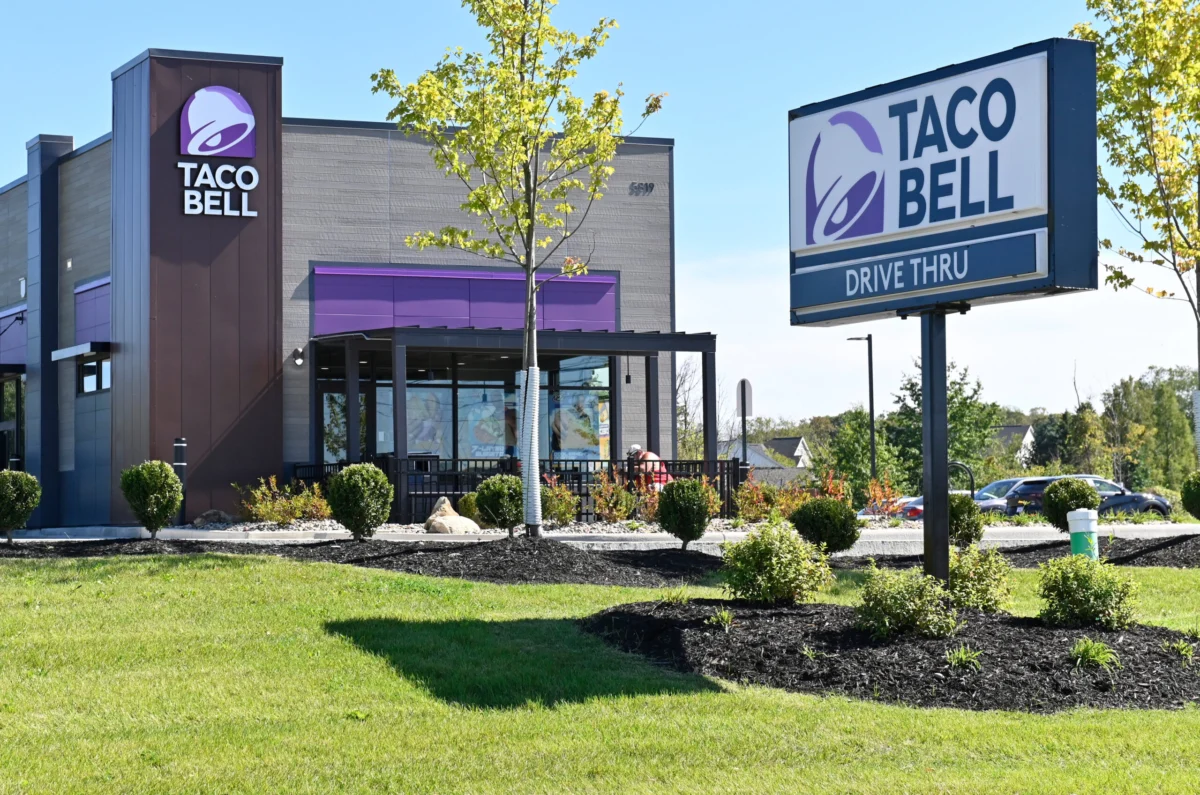
Yum Brands, the global fast-food conglomerate, announced mixed financial results for its second quarter ended June 30, 2026, on Thursday, with robust underlying performance overshadowed by the significant and immediate impact of a cyclospora outbreak linked to its Taco Bell chain in the subsequent quarter. The foodborne illness, traced to iceberg lettuce, has demonstrably damaged sales at Taco Bell locations since mid-July, presenting a critical challenge for the company’s primary growth engine. Despite the setback, CEO Chris Turner expressed cautious optimism, characterizing the downturn as a temporary problem for the Mexican-inspired chain, noting improving sales trends and a return to pre-crisis brand sentiment.
The Cyclospora Outbreak: A Chronology of Contamination and Public Health Response
The crisis began to unfold in mid-July 2026 when the Food and Drug Administration (FDA) first publicly linked a parasitic outbreak of cyclospora to iceberg lettuce served by Taco Bell. Cyclospora cayetanensis is a microscopic parasite that can cause cyclosporiasis, an intestinal infection characterized by watery diarrhea, loss of appetite, weight loss, abdominal cramps, bloating, nausea, and fatigue. The parasite is typically spread when people consume food or water contaminated with feces containing the parasite. Fresh produce, particularly leafy greens, has been a common vehicle for past cyclospora outbreaks.
Following the FDA’s announcement, the Centers for Disease Control and Prevention (CDC) initiated a widespread investigation, working with state and local health departments to identify the scope and source of the contamination. Public health advisories were issued, urging consumers to be aware of symptoms and seek medical attention if necessary. The news rapidly disseminated, creating a ripple effect across the restaurant industry. According to data from Placer.ai, daily traffic to Taco Bell locations plummeted by double-digit percentages immediately following the FDA’s initial link. This sudden and severe drop underscored the acute sensitivity of consumer confidence to food safety concerns, especially within the quick-service restaurant (QSR) sector. The outbreak, occurring after the close of Yum Brands’ second fiscal quarter, meant its financial impact would be felt primarily in the third quarter of 2026, casting a shadow over what was otherwise a period of strategic shifts and strong brand performance for the company.
Immediate Financial Repercussions and Leadership’s Assessment
The cyclospora outbreak swiftly translated into tangible financial repercussions for Taco Bell, a brand that Yum Brands explicitly relies upon as a "growth engine" for its broader portfolio. CEO Chris Turner directly addressed the issue during the company’s earnings conference call, stating, "The brand has seen a meaningful near-term sales impact." This acknowledgment from the top executive highlighted the severity of the initial downturn. The double-digit percentage decline in daily traffic, as evidenced by Placer.ai data, represented a significant disruption to Taco Bell’s operational rhythm and revenue generation.
Turner, however, quickly moved to temper concerns, adding that the company expects the downturn to be a temporary problem for Taco Bell. This assessment suggests an internal belief that the brand’s fundamental appeal and operational resilience will allow for a relatively swift recovery. The emphasis on the "near-term" nature of the impact indicates that while the current quarter’s sales will undoubtedly suffer, Yum Brands is not anticipating a prolonged erosion of Taco Bell’s market position or consumer loyalty. The challenge for the company now lies in executing a robust recovery strategy that not only addresses immediate sales shortfalls but also reinforces consumer trust in its food safety protocols and product quality.
Yum Brands’ Robust Second Quarter Performance: A Pre-Outbreak Snapshot
Before the cyclospora outbreak began to impact its operations, Yum Brands demonstrated a largely positive financial trajectory for its second quarter ended June 30, 2026. The company reported net income of $853 million, or $3.08 per share, a substantial increase from $374 million, or $1.33 per share, recorded in the same period a year earlier. Excluding charges related to its strategic review of Pizza Hut and other non-recurring items, the restaurant company’s adjusted earnings stood at $1.62 per share, indicating healthy operational profitability.
Net revenue for the quarter climbed an impressive 12% to $2.17 billion, a growth largely attributed to the ongoing expansion driven by new restaurant openings across its diverse brand portfolio. This global expansion strategy has been a cornerstone of Yum Brands’ growth initiatives, particularly in emerging markets. The company’s global same-store sales, a key metric for retail health, rose 3% in the quarter. This performance was roughly in line with StreetAccount estimates of 2.9% growth, signaling that Yum Brands met market expectations for its established locations prior to the food safety crisis.
Brand-Specific Performance Highlights:
-
Taco Bell: The Mexican-inspired chain continued its strong performance streak, reporting a robust 7% jump in same-store sales for the second quarter. This figure underscores Taco Bell’s consistent role as the top performer within Yum’s portfolio, solidifying its position as a critical growth driver. The pre-outbreak momentum highlights the significant challenge the cyclospora incident poses to a brand that had been enjoying considerable success. Its innovative menu, effective marketing, and strong customer engagement had contributed to this sustained growth.
-
KFC: The iconic chicken chain delivered a respectable 2% growth in same-store sales globally. Notably, in China, which remains its largest and one of its most dynamic markets, KFC’s system sales rose by 6%. This performance reflects the brand’s enduring popularity and its successful localization strategies in key international territories. KFC’s global footprint and consistent brand recognition continue to contribute significantly to Yum Brands’ overall revenue.
-
Pizza Hut: In contrast to its sister brands, Pizza Hut experienced a 1% slip in same-store sales during the quarter. This continued struggle for the pizza chain has been a long-standing concern for Yum Brands. In a significant strategic move announced last month, Yum Brands confirmed the sale of the long-struggling Pizza Hut chain to private equity firm LongRange Capital and Yum China for $2.7 billion. This divestment marks a pivotal moment in Yum Brands’ portfolio optimization strategy, allowing the company to focus resources on its higher-performing and growth-oriented brands like Taco Bell and KFC. The sale is expected to streamline operations and potentially improve overall financial metrics by offloading a less profitable segment.
Broader Industry Contagion: Beyond Taco Bell
While the cyclospora outbreak initially targeted Taco Bell, its ramifications quickly extended beyond a single brand, revealing a broader fragility in consumer confidence regarding fresh produce in the QSR industry. Yum Brands CEO Chris Turner noted that "elevated uncertainty initially weighed on consumer demand, and since then, consumers have become increasingly aware that this is an industry-wide issue, not an issue specific to Taco Bell." This observation was substantiated by other major players in the fast-casual segment.
Chipotle Mexican Grill, a competitor known for its emphasis on fresh ingredients, also reported a decline in sales. Chipotle executives stated that consumers’ mistrust of chains serving fresh lettuce weighed on their sales in the second half of July. This parallel impact on a seemingly unrelated chain underscores the systemic nature of food safety concerns and the immediate, widespread effect they can have on an entire sector. When a major foodborne illness outbreak is reported, particularly one linked to a staple like lettuce, consumers often become wary of similar products across all restaurants, regardless of their direct involvement in the incident. This ‘contagion effect’ highlights the collective responsibility of the food service industry to uphold the highest standards of safety and transparency. The incident serves as a stark reminder that consumer perception, once eroded, can be slow and challenging to rebuild, impacting even those who are not directly implicated in an outbreak.
Strategic Response and Path to Recovery
In the wake of the cyclospora outbreak, Yum Brands has articulated a clear strategy for recovery, focusing on swift action, transparent communication, and rebuilding consumer trust. CEO Chris Turner provided an encouraging update during the earnings call, noting that sales trends have been "steadily improving" over the last 10 days of July. More critically, he highlighted that brand sentiment on social media, often an early indicator of public perception, has returned to pre-crisis levels. This rapid rebound in sentiment suggests that consumers are either forgiving, recognizing the broader industry challenge, or responding positively to Yum Brands’ handling of the situation.
The implied actions for recovery would undoubtedly include a rigorous re-evaluation of the supply chain for fresh produce, particularly iceberg lettuce. This would involve enhanced audits of suppliers, stricter quality control measures at distribution centers, and potentially exploring alternative sourcing or processing methods to minimize contamination risks. Internally, Taco Bell locations are likely implementing reinforced food safety protocols, including intensified training for staff on handling fresh ingredients, cross-contamination prevention, and sanitation.
From a communication standpoint, Yum Brands will likely continue to emphasize its commitment to food safety and transparency. Public statements may focus on the steps being taken to ensure the safety of its products, aiming to reassure consumers that the issue has been isolated and addressed. The company’s ability to maintain an open dialogue with health authorities, consumers, and franchisees will be paramount in accelerating the recovery process. The goal is not just to restore sales but to fortify the brand’s reputation for quality and safety, ensuring that Taco Bell can indeed reclaim its role as a robust growth engine for Yum Brands.
Analyst Outlook and Investor Confidence
The dual narrative of strong Q2 performance and an immediate food safety crisis presents a complex picture for analysts and investors. Prior to the outbreak, Yum Brands’ stock had likely benefited from Taco Bell’s consistent growth and the strategic divestment of Pizza Hut, which was seen as a positive move to streamline the portfolio. The cyclospora outbreak, however, introduces an element of uncertainty, requiring analysts to recalibrate their projections for the third quarter and potentially beyond.
While CEO Chris Turner’s optimistic outlook on the temporary nature of the sales impact is positive, investors will closely monitor weekly sales data and public health updates to assess the speed and completeness of Taco Bell’s recovery. The company’s reliance on Taco Bell as a "growth engine" means that any sustained dip in its performance could significantly impact Yum Brands’ overall financial health and investor confidence. Analysts will be keen to understand the specific measures being implemented to prevent future outbreaks, the financial cost of these measures, and their effectiveness in restoring consumer trust. The stock market’s reaction will hinge on whether the recovery trajectory continues its upward trend and if the company can effectively communicate its long-term strategy for mitigating food safety risks across its vast global operations.
The Enduring Challenge of Food Safety in the Quick-Service Restaurant Industry
The cyclospora outbreak at Taco Bell serves as a stark reminder of the enduring and complex challenge of food safety within the quick-service restaurant industry. Operating on a global scale, major QSR chains manage intricate supply chains that source ingredients from diverse geographical locations, often involving multiple tiers of suppliers and distributors. This complexity inherently introduces points of vulnerability for contamination. Fresh produce, particularly leafy greens, remains a high-risk category due to its direct consumption without cooking, making effective farm-to-fork traceability and stringent hygiene protocols absolutely critical.
For companies like Yum Brands, which serve millions of customers daily across thousands of locations, a localized contamination incident can rapidly escalate into a widespread public health crisis with significant financial and reputational repercussions. The incident underscores the imperative for continuous investment in advanced food safety technologies, robust supplier vetting processes, and real-time monitoring systems. Beyond compliance with regulatory standards set by bodies like the FDA and CDC, proactive measures such as independent third-party audits, enhanced employee training, and sophisticated crisis management plans are essential. Consumer expectations for food safety are higher than ever, and any breach of trust can have lasting effects. The Taco Bell cyclospora incident will likely spur not only Yum Brands but the entire QSR industry to re-evaluate and fortify their food safety frameworks, emphasizing prevention, rapid response, and transparent communication as cornerstones of their operational integrity.
