

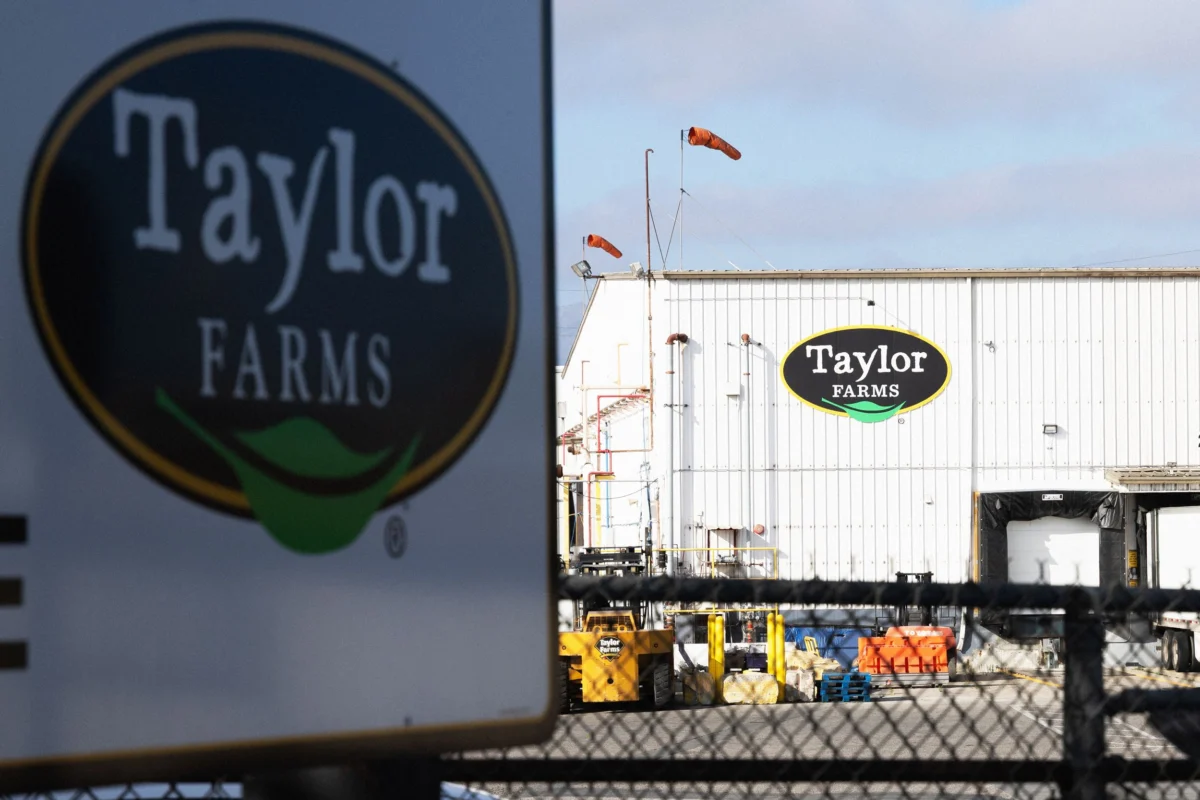
The ongoing investigation into a widespread Cyclospora outbreak, a parasitic infection causing severe gastrointestinal distress, has become a focal point of escalating tension between the U.S. Food and Drug Administration (FDA) and major lettuce supplier Taylor Farms. What began as a public health concern has evolved into a complex dispute involving voluntary recalls, disputed laboratory results, and differing interpretations of investigative processes, raising questions about food safety protocols and inter-agency communication.
The crisis, which has sickened thousands across at least five states since May, intensified on July 17, when Taylor Farms, a prominent California-based agricultural company, initiated a voluntary recall of its iceberg lettuce. This action was a direct response to a growing number of reported Cyclospora infections linked to the product. Cyclosporiasis, characterized by debilitating diarrhea, nausea, fatigue, and abdominal pain, can have prolonged health consequences if left untreated. The parasite is typically contracted through the consumption of contaminated food or water, with fresh produce often identified as a common vehicle for transmission.
A Timeline of Events and Disputed Findings
The situation took a significant turn on July 18, just one day after Taylor Farms’ recall announcement. The FDA revealed that it had detected the Cyclospora parasite in a sample of Taylor Farms lettuce. Crucially, this particular sample was not part of the initial voluntary recall. This development, if confirmed, would have broadened the scope of the contamination concerns and potentially implicated additional batches of the company’s products.
However, the narrative quickly shifted. On July 19, Taylor Farms issued a statement on its official X (formerly Twitter) account, declaring, "Today, the FDA apologized to us." This assertion suggested a potential misstep or error on the part of the regulatory agency. The company further stated that the FDA "has not identified a single positive product test result for Cyclospora." While factually accurate in the context of subsequent clarifications, this statement by Taylor Farms aimed to underscore the absence of definitive product-based evidence from the FDA at that specific juncture.
The FDA, however, offered a different interpretation of the events. On July 20, an agency official clarified to reporters that the FDA had not issued an "official apology" to Taylor Farms. Instead, the official characterized the agency’s communication as an effort to "providing factual information" regarding the inherent challenges associated with testing for and tracing the origins of Cyclospora outbreaks. This highlighted the scientific complexities involved, suggesting that the absence of a definitive positive test result on a single sample did not negate the broader concerns surrounding the outbreak.
In a subsequent post on X on July 20, the FDA reinforced its stance, emphasizing that the disputed lab finding did not alter the basis of their ongoing investigation or the evidence supporting Taylor Farms’ voluntary recall. "To clarify, this false-positive lab sample DOES NOT change the basis for FDA’s ongoing outbreak investigation or the overwhelming epidemiological data supporting the current voluntary recall by Taylor Farms," the agency stated. This public communication underscored the FDA’s commitment to its investigative findings, which often rely on a combination of laboratory analysis and epidemiological data.
Epidemiological Evidence vs. Product Testing
The discrepancy in understanding between the FDA and Taylor Farms appears to stem, in part, from the methods used to identify the source of foodborne illnesses. While direct product testing can provide conclusive evidence, many foodborne illness investigations are initiated and guided by epidemiological data. This involves detailed interviews with individuals who have fallen ill, seeking to identify commonalities in their consumption patterns, including specific food items, restaurants, or geographic locations.
Taylor Farms’ statement that the FDA "has not identified a single positive product test result for Cyclospora" overlooks the established scientific practice where epidemiological evidence can be sufficiently compelling to warrant action, even in the absence of a positive test result on a specific product sample. The difficulty in isolating and detecting Cyclospora in food matrices, especially after a significant period has passed since potential contamination, is a well-documented challenge for regulatory agencies.
Taylor Farms’ Concerns and Engagement with Officials
Further complicating the situation, reports emerged that Taylor Farms had expressed dissatisfaction with the investigative approach taken by the FDA and the Centers for Disease Control and Prevention (CDC). According to a spokesperson who spoke with The New York Times, the company had engaged in discussions with White House and FDA officials on July 16, the day before initiating its recall. During this meeting, Taylor Farms executives reportedly raised concerns about what they described as "shortfalls" in the government organizations’ response processes and attempted to cast doubt on the conclusions drawn by the FDA and CDC. This preemptive engagement suggests a proactive effort by Taylor Farms to influence the investigation’s direction and potentially mitigate the impact of the outbreak on its operations.
Taylor Farms has not responded to requests for further comment from various media outlets, including WIRED, which first reported on the escalating tensions.
The Broader Impact of the Cyclospora Outbreak
The current Cyclospora outbreak has been particularly challenging for public health officials due to its scale and the difficulty in pinpointing a definitive source. Since May, thousands of individuals have reported falling ill. In Michigan alone, authorities have documented an alarming 6,148 cases, highlighting the significant burden placed on the state’s healthcare system and public health resources. Experts caution that the national number of reported cases is likely an underestimate, as milder cases may go unreported, and the diagnostic capabilities for Cyclospora can vary.
The implications of this outbreak extend beyond the immediate health consequences for those affected. For the food industry, such incidents can lead to substantial financial losses due to product recalls, reputational damage, and increased scrutiny from regulatory bodies and consumers. The public’s trust in the safety of their food supply is paramount, and prolonged or contentious outbreaks can erode that confidence.
The ongoing dispute between Taylor Farms and the FDA underscores the critical need for transparency, clear communication, and robust, collaborative investigative processes when dealing with foodborne illness outbreaks. While the voluntary recall initiated by Taylor Farms represents a crucial step in protecting public health, the differing interpretations of scientific findings and investigative methodologies raise important questions about how such crises are managed and how accountability is determined in the complex landscape of food safety. The resolution of this particular situation will likely have lasting implications for how regulatory agencies and food producers interact during future public health emergencies.
