

FUKUOKA, Japan – Yamaya Communications, a prominent Japanese food company renowned for its mentaiko (spicy pollock roe) production, has unveiled an ambitious expansion strategy for its restaurant division. The company plans to more than double its current number of eateries, targeting a substantial 60% growth to reach a total of 100 restaurants by the year 2030. This significant expansion will encompass both domestic Japanese locations and international markets, signaling a robust commitment to diversifying and scaling its consumer-facing food service operations.

Strategic Growth Pillars: Diversification and International Reach
The core of Yamaya Communications’ expansion plan hinges on a multi-pronged approach that includes increasing the footprint of its existing successful concepts, such as its popular tempura shops, and exploring new culinary ventures. While the exact breakdown of future restaurant types remains under wraps, the company has indicated a keen interest in leveraging its established brand recognition and culinary expertise to introduce a wider array of dining experiences to a global audience. This strategic pivot aims to capitalize on the growing international demand for authentic Japanese cuisine and to mitigate potential market saturation within Japan.
Yamaya Communications currently operates a diverse portfolio of dining establishments, with its tempura restaurants being a notable success. The company’s existing network, while not explicitly stated in publicly available data, is understood to be a foundational element of this planned growth. The goal of reaching 100 restaurants by 2030 represents a considerable undertaking, requiring significant capital investment, strategic site selection, and a robust operational framework to ensure consistency and quality across an expanded network.

Mentaiko Expertise: The Foundation of Culinary Excellence
Yamaya Communications’ heritage is deeply rooted in the production of mentaiko, a staple in Japanese cuisine known for its vibrant flavor and versatility. This expertise in sourcing, processing, and marketing high-quality seafood products provides a unique competitive advantage. The company has successfully integrated its mentaiko offerings into various dishes served at its restaurants, creating a signature element that differentiates its brands. This vertical integration allows for greater control over product quality and cost, which are crucial for maintaining profitability in the competitive restaurant industry.
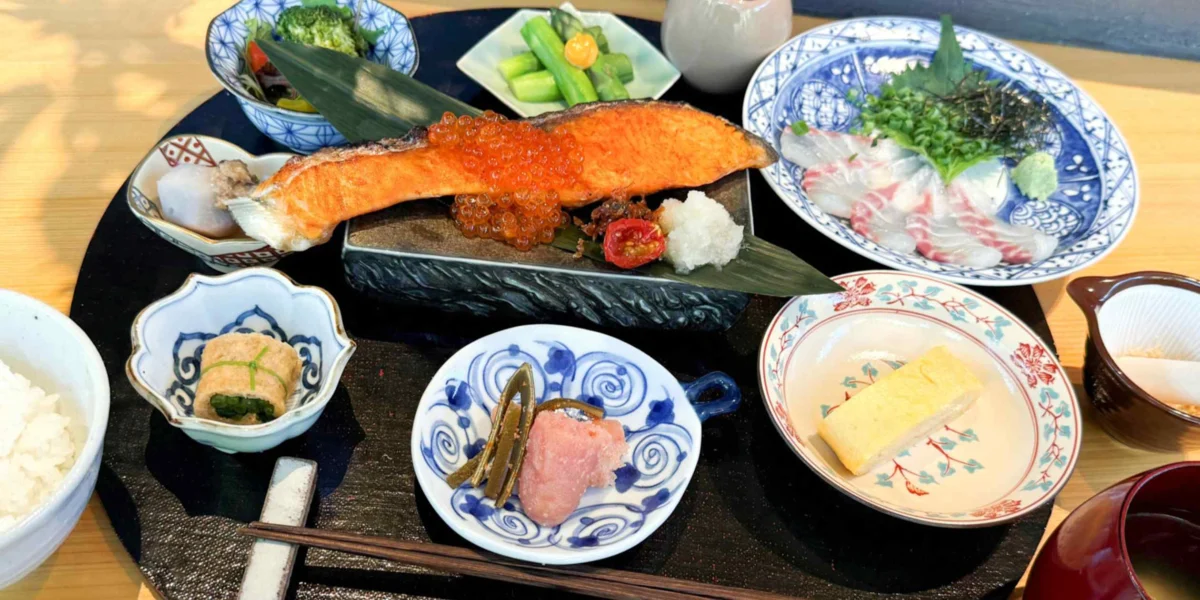
The company’s commitment to quality is exemplified by its operations in Fukuoka, a region celebrated for its rich culinary traditions and abundant seafood resources. The photograph accompanying this report, showcasing the Yamaya Sohonten Zen restaurant in Fukuoka offering Japanese-style breakfast, highlights the company’s ongoing efforts to innovate and cater to evolving consumer preferences. This specific initiative, the introduction of breakfast services, demonstrates an understanding of the need to adapt to local dining habits and to maximize revenue streams throughout the day.

A Timeline of Ambition: Charting the Course to 2030
The 2030 target suggests a phased approach to expansion, likely involving meticulous market research, pilot programs, and strategic partnerships. While a detailed timeline is not yet public, it can be inferred that the initial years will focus on solidifying operational capabilities and identifying prime international markets. This might involve a gradual rollout, with a concentration of new openings in key Asian markets known for their affinity for Japanese food, followed by a more aggressive push into Western markets.
The company’s current operational capacity and financial health will be critical determinants of the pace of this expansion. Factors such as securing adequate funding, recruiting and training skilled staff, and navigating complex international regulations will all play a role in the realization of this ambitious vision. A conservative estimate of current restaurant numbers, based on industry reports and the company’s known presence, would place their current portfolio in the range of 40-60 establishments. Achieving 100 by 2030 would therefore necessitate an average of 4-6 new openings per year, a brisk but achievable pace for a well-capitalized and strategically focused company.

Global Culinary Trends and Yamaya’s Positioning
The global demand for Japanese cuisine has seen a steady and significant rise over the past decade. Factors contributing to this trend include increased international travel, the growing popularity of Japanese culture, and a greater consumer appreciation for healthy and flavorful food options. Yamaya Communications is well-positioned to capitalize on this trend, leveraging its authentic ingredients and culinary heritage.
The expansion into international markets is particularly noteworthy. While Japanese food has gained widespread acceptance, there remains a significant opportunity for authentic, high-quality dining experiences that go beyond the superficial. Yamaya’s focus on mentaiko, a less commonly exported delicacy, could offer a unique selling proposition in markets where consumers are increasingly seeking novel and authentic culinary adventures.

Potential Challenges and Strategic Considerations
Despite the promising outlook, Yamaya Communications faces several potential challenges. The restaurant industry is notoriously competitive and susceptible to economic downturns, changing consumer tastes, and operational inefficiencies. International expansion introduces additional complexities, including cultural adaptation, supply chain management across borders, and compliance with diverse regulatory frameworks.
To mitigate these risks, Yamaya Communications will likely need to:

- Conduct thorough market research: Identifying specific regions and cities with high potential for Japanese cuisine and a receptive demographic.
- Adapt menus and concepts: While maintaining authenticity, some degree of localization may be necessary to cater to local palates and preferences.
- Build strong local partnerships: Collaborating with local businesses for supply chain, real estate, and operational support can ease market entry.
- Invest in robust training programs: Ensuring consistent quality and service standards across all locations, especially when dealing with diverse workforces.
- Leverage digital platforms: Utilizing social media and online ordering systems to enhance customer engagement and reach.
The Future of Japanese Dining: Yamaya’s Vision
The planned expansion by Yamaya Communications is more than just a business growth strategy; it represents a significant development in the global narrative of Japanese cuisine. By scaling its restaurant operations, the company aims to solidify its position as a leading purveyor of authentic Japanese flavors and dining experiences. The success of this ambitious plan will undoubtedly be watched closely by industry observers and consumers alike, as it has the potential to redefine the accessibility and perception of Japanese food on a global scale. The company’s commitment to quality, rooted in its mentaiko expertise, provides a strong foundation for this exciting new chapter. The journey to 100 restaurants by 2030 will be a testament to Yamaya Communications’ strategic vision and its dedication to bringing the taste of Japan to the world.
